
The Real Reason Your Energy Bills Are Skyrocketing in Your Medford Rental
Your Medford rental energy bill is climbing because your heating system is fighting against the cold while your home leaks heat like a sieve. Most renters in Medford face a perfect storm of aging HVAC equipment, drafty Victorian-era construction, and heat pumps that default to expensive emergency heating when temperatures drop below 35°F. The combination of Massachusetts’ high electricity rates and your home’s poor insulation creates bills that can double or triple during a typical New England winter. Mass Save energy efficiency program.
Why Medford Rentals Face Unique Energy Challenges
Medford’s housing stock tells the story. Nearly 60% of homes here were built before 1950, featuring balloon-frame construction with minimal insulation. These homes sit along the Mystic River valley where cold air settles during winter nights. Your rental likely has single-pane windows, uninsulated basement walls, and gaps around doors that let warm air escape. When your heat pump detects a temperature drop it cannot overcome, it switches to electric resistance heating which costs three to five times more per BTU than normal operation.
Heat Pump Performance in Medford’s Climate
Standard heat pumps struggle when outdoor temperatures fall below freezing. Medford experiences an average of 22 days per year where temperatures drop below 20°F. During these cold snaps, your heat pump’s efficiency drops dramatically. The system’s balance point typically falls between 30-35°F, meaning it can no longer extract enough heat from the outside air to warm your home efficiently. When this happens, auxiliary electric strips activate automatically, sending your electricity usage through the roof.
Modern cold-climate heat pumps can operate efficiently down to -15°F, but many Medford rentals still use older equipment from the 1990s or early 2000s. These units lack the inverter technology and enhanced compressors needed for New England winters. The result is a system that runs constantly but delivers diminishing returns as outdoor temperatures plummet. Benefits of Inverter Technology.
Understanding Medford’s Utility Rate Structure
Eversource and National Grid both serve Medford with tiered winter rate structures. Once your usage exceeds baseline thresholds, you pay significantly more per kilowatt-hour. During extreme cold, your heat pump may push you into the highest rate tier within days. Current Massachusetts electricity rates average 28-32 cents per kWh, among the highest in the nation. This means every hour your system runs on emergency heat adds $3-5 to your daily bill. Eversource utility rates.
The Massachusetts Department of Energy Resources reports that residential heating accounts for 59% of total home energy use in the state. In Medford’s older housing stock, this percentage is often higher due to air infiltration and poor thermal performance.
Common HVAC Issues Driving Up Costs
Several mechanical problems compound the energy waste in Medford rentals. Dirty air filters force your blower motor to work harder, consuming more electricity. Low refrigerant levels reduce heat transfer efficiency, causing the system to run longer cycles. Frozen evaporator coils from restricted airflow can trigger emergency heating modes unnecessarily. Even something as simple as a thermostat placed near a cold window can cause short cycling and wasted energy. How to Get Fast Emergency Furnace Repair in Dorchester This Winter.
Many Medford homes have ductwork in unconditioned attics or crawl spaces. These ducts leak conditioned air before it reaches your living space. The Department of Energy estimates that typical duct systems lose 20-30% of heated air through leaks and poor connections. In older Medford homes, losses often exceed 40%.
Immediate Steps to Reduce Your Energy Bill
Start with your thermostat settings. Keep your thermostat at 68°F when home and drop to 60-62°F when sleeping or away. Each degree above 68°F increases energy consumption by 3-5%. Install programmable or smart thermostats that automatically adjust temperatures based on your schedule.
Check your air filter monthly during winter. A clogged filter can increase energy consumption by 15% and cause your system to run longer than necessary. Replace filters every 30-60 days during heavy use periods. This simple step often provides the quickest return on investment.
Seal visible air leaks around windows, doors, and electrical outlets. Use weatherstripping and caulk to close gaps. Even small leaks add up. The EPA estimates that sealing air leaks can reduce heating and cooling costs by up to 20%.
Mass Save Program Benefits for Medford Renters
Massachusetts’ Mass Save program offers free home energy assessments to renters and homeowners. A certified energy auditor evaluates your home’s energy performance and identifies specific issues. They provide free LED light bulbs, programmable thermostats, and advanced power strips. Many renters qualify for discounted insulation and air sealing services.
The program also offers rebates on high-efficiency heating equipment. Cold-climate heat pumps installed through Mass Save can qualify for rebates of $2,500-4,000. These systems use inverter technology to maintain efficiency even in sub-freezing temperatures, eliminating the need for expensive emergency heating.
When Professional HVAC Service Becomes Necessary
Certain symptoms indicate your system needs professional attention. If your heat pump runs continuously without reaching the set temperature, you likely have a refrigerant leak or failing compressor. Strange noises like grinding, squealing, or rattling suggest mechanical wear that reduces efficiency. Ice buildup on the outdoor unit during mild weather points to defrost cycle problems.
Short cycling, where the system turns on and off frequently, wastes tremendous energy. This often results from oversized equipment, dirty coils, or faulty thermostats. A professional tune-up includes cleaning coils, checking refrigerant levels, testing electrical components, and calibrating the thermostat. These services typically pay for themselves within one heating season through improved efficiency.
Understanding Medford’s Housing Construction Impact
Medford’s architectural diversity creates different energy challenges. Colonial-style homes feature many small rooms with separate heating zones, increasing overall energy use. Split-level ranches have open floor plans that can be difficult to heat evenly. Multi-family homes often have shared walls that provide some insulation but may have inadequate individual unit controls.
The city’s proximity to the Mystic River means many homes sit in frost pockets where temperatures run 3-5°F colder than surrounding areas. This microclimate effect forces heating systems to work harder, especially during clear winter nights when radiational cooling is most pronounced.
Energy Efficiency Improvements That Pay Off
Attic insulation provides the highest return on investment for Medford homes. Current building codes require R-49 insulation in attics, but many Medford homes have only R-11 or less. Adding proper insulation can reduce heating costs by 20-30%. Wall insulation in balloon-frame construction is more challenging but can be added through injection methods.
Window replacement offers significant savings but requires landlord approval for renters. Low-E double-pane windows reduce heat transfer and can cut energy loss through windows by 50%. Even adding interior storm windows provides noticeable improvements at lower cost.
Basement insulation prevents heat loss through the foundation. Uninsulated basement walls can account for 20% of total heat loss in homes with basements. Adding R-10 insulation to basement walls often pays for itself within two heating seasons.
Smart Technology for Energy Management
Smart thermostats learn your schedule and preferences, automatically adjusting temperatures for maximum efficiency. They provide energy usage reports and can detect when your system is running inefficiently. Many models integrate with utility demand response programs that offer bill credits for reducing usage during peak periods.
Energy monitoring systems track real-time electricity usage by individual circuits. These devices help identify which appliances and systems consume the most power. Some can automatically shut off devices when not in use or during high-rate periods.
Preparing for Medford’s Winter Weather
Medford experiences an average of 48 inches of snow annually with occasional ice storms that can knock out power for days. Your heating system needs to be reliable when temperatures plummet. Schedule your annual maintenance in early fall before the heating season begins. This includes cleaning burners, testing safety controls, and checking for carbon monoxide leaks. The Most Reliable Heat Pump Installation Teams in Cambridge.
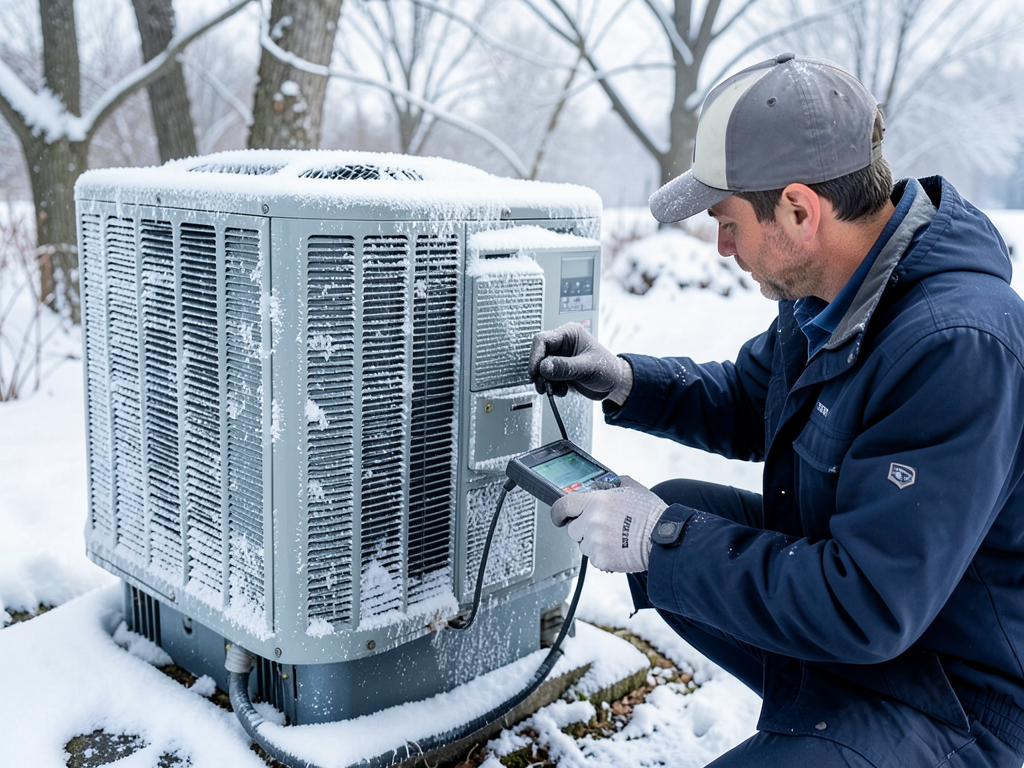
Keep outdoor heat pump units clear of snow and debris. Restricted airflow reduces efficiency and can trigger emergency heating modes. Install units on elevated pads to prevent snow accumulation. Consider backup heating options like space heaters or wood stoves if you rely entirely on electric heat.
Understanding Your Rights as a Medford Renter
Massachusetts law requires landlords to provide adequate heat from September 16 through June 14. The minimum temperature is 68°F during the day and 64°F at night. If your heating system cannot maintain these temperatures, your landlord must repair or replace it. Document temperature readings with a thermometer and communicate in writing about heating problems.
Renters can request energy efficiency improvements through their landlords. Many Mass Save rebates are available to property owners, making upgrades financially attractive. Discuss potential improvements that could lower both your utility costs and the building’s overall energy consumption.
Long-Term Solutions for Energy Savings
Consider advocating for system upgrades if you plan to stay long-term. High-efficiency heat pumps with inverter technology can cut heating costs by 30-50% compared to standard electric resistance heating. These systems provide both heating and cooling, eliminating the need for separate air conditioning units.
Geothermal heat pump systems offer even greater efficiency but require significant upfront investment. These systems use stable ground temperatures to provide heating and cooling with minimal electricity use. While installation costs are high, operating costs are typically 60-70% lower than conventional systems.
Solar photovoltaic systems can offset electricity costs for heat pumps and other appliances. Massachusetts offers net metering, allowing you to sell excess power back to the grid. Combined with high-efficiency heat pumps, solar can provide near-zero net energy costs for heating and cooling.
Taking Control of Your Energy Future
Your Medford rental energy bill reflects both your home’s efficiency and your heating system’s performance. By understanding the factors that drive up costs and taking proactive steps to improve efficiency, you can significantly reduce your monthly expenses. Start with simple changes like thermostat adjustments and filter replacements, then work toward larger improvements as budget allows.
The key is recognizing that high energy bills are often symptoms of underlying efficiency problems rather than simply high utility rates. Addressing these root causes through maintenance, upgrades, and behavioral changes provides lasting savings that compound over time.
Don’t let another winter of sky-high energy bills drain your budget. Call (617) 758-1599 today to schedule your professional HVAC inspection and take the first step toward predictable, affordable heating costs.
Frequently Asked Questions
How much can I save by upgrading my thermostat?
A programmable or smart thermostat can save 10-15% on heating costs by automatically adjusting temperatures when you’re asleep or away. For a typical Medford rental, this translates to $150-250 in annual savings.
Is it worth asking my landlord about insulation improvements?
Yes. Many landlords qualify for Mass Save rebates that cover 75-100% of insulation costs. Improved insulation reduces wear on heating systems and can prevent costly repairs, making it a win-win for both parties.
How do I know if my heat pump is running on emergency heat?
Most thermostats have an indicator light that illuminates when emergency heat activates. You may also notice higher-than-normal electricity usage or the system running continuously without reaching the set temperature.
What’s the most cost-effective improvement for an old Medford home?
Attic insulation typically provides the fastest payback, often recovering costs within one to two heating seasons. Air sealing throughout the home comes second, followed by basement insulation for homes with that feature.
Can I get a free energy assessment if I’m renting?
Yes. Mass Save offers free home energy assessments to all Massachusetts residents, including renters. The assessment provides specific recommendations and information about available rebates and incentives.
{
“@context”: “https://schema.org”,
“@type”: “BlogPosting”,
“headline”: “The Real Reason Your Energy Bills Are Skyrocketing in Your Medford Rental”,
“description”: “Discover why your Medford rental energy bills are spiking this winter. Learn about heat pump issues, insulation gaps, and how to save with Mass Save rebates.”,
“wordCount”: 1923,
“datePublished”: “2026-05-08T11:56:00.000Z”,
“dateModified”: “2026-05-08T11:56:00.000Z”,
“inLanguage”: “en-US”,
“mainEntityOfPage”: {
“@type”: “WebPage”,
“@id”: “https://titanhvacboston.com”
},
“publisher”: {
“@type”: “LocalBusiness”,
“name”: “Titan HVAC Boston”,
“url”: “https://titanhvacboston.com”
},
“author”: {
“@type”: “Organization”,
“name”: “Titan HVAC Boston”,
“url”: “https://titanhvacboston.com”
},
“image”: {
“@type”: “ImageObject”,
“url”: “https://titanhvacboston.com/wp-content/uploads/2026/03/the-real-reason-your-energy-bills-are-skyrocketing-1.png”
}
}
{
“@context”: “https://schema.org”,
“@type”: “HVACBusiness”,
“name”: “Titan HVAC Boston”,
“url”: “https://titanhvacboston.com”,
“address”: {
“@type”: “PostalAddress”,
“addressLocality”: “Boston”
},
“areaServed”: {
“@type”: “City”,
“name”: “Boston”
}
}
{
“@context”: “https://schema.org”,
“@type”: “FAQPage”,
“mainEntity”: [
{
“@type”: “Question”,
“name”: “How much can I save by upgrading my thermostat?”,
“acceptedAnswer”: {
“@type”: “Answer”,
“text”: “A programmable or smart thermostat can save 10-15% on heating costs by automatically adjusting temperatures when you’re asleep or away. For a typical Medford rental, this translates to $150-250 in annual savings.”
}
},
{
“@type”: “Question”,
“name”: “Is it worth asking my landlord about insulation improvements?”,
“acceptedAnswer”: {
“@type”: “Answer”,
“text”: “Yes. Many landlords qualify for Mass Save rebates that cover 75-100% of insulation costs. Improved insulation reduces wear on heating systems and can prevent costly repairs, making it a win-win for both parties.”
}
},
{
“@type”: “Question”,
“name”: “How do I know if my heat pump is running on emergency heat?”,
“acceptedAnswer”: {
“@type”: “Answer”,
“text”: “Most thermostats have an indicator light that illuminates when emergency heat activates. You may also notice higher-than-normal electricity usage or the system running continuously without reaching the set temperature.”
}
},
{
“@type”: “Question”,
“name”: “What’s the most cost-effective improvement for an old Medford home?”,
“acceptedAnswer”: {
“@type”: “Answer”,
“text”: “Attic insulation typically provides the fastest payback, often recovering costs within one to two heating seasons. Air sealing throughout the home comes second, followed by basement insulation for homes with that feature.”
}
},
{
“@type”: “Question”,
“name”: “Can I get a free energy assessment if I’m renting?”,
“acceptedAnswer”: {
“@type”: “Answer”,
“text”: “Yes. Mass Save offers free home energy assessments to all Massachusetts residents, including renters. The assessment provides specific recommendations and information about available rebates and incentives.”
}
}
]
}
{
“@context”: “https://schema.org”,
“@type”: “BreadcrumbList”,
“itemListElement”: [
{
“@type”: “ListItem”,
“position”: 1,
“name”: “Home”,
“item”: “https://titanhvacboston.com”
},
{
“@type”: “ListItem”,
“position”: 2,
“name”: “Blog”,
“item”: “https://titanhvacboston.com/blog”
},
{
“@type”: “ListItem”,
“position”: 3,
“name”: “The Real Reason Your Energy Bills Are Skyrocketing in Your Medford Rental”
}
]
}
{
“@context”: “https://schema.org”,
“@type”: “Service”,
“serviceType”: “HVAC”,
“provider”: {
“@type”: “LocalBusiness”,
“name”: “Titan HVAC Boston”,
“url”: “https://titanhvacboston.com”
},
“areaServed”: {
“@type”: “City”,
“name”: “Boston”
},
“description”: “Discover why your Medford rental energy bills are spiking this winter. Learn about heat pump issues, insulation gaps, and how to save with Mass Save rebates.”
}