
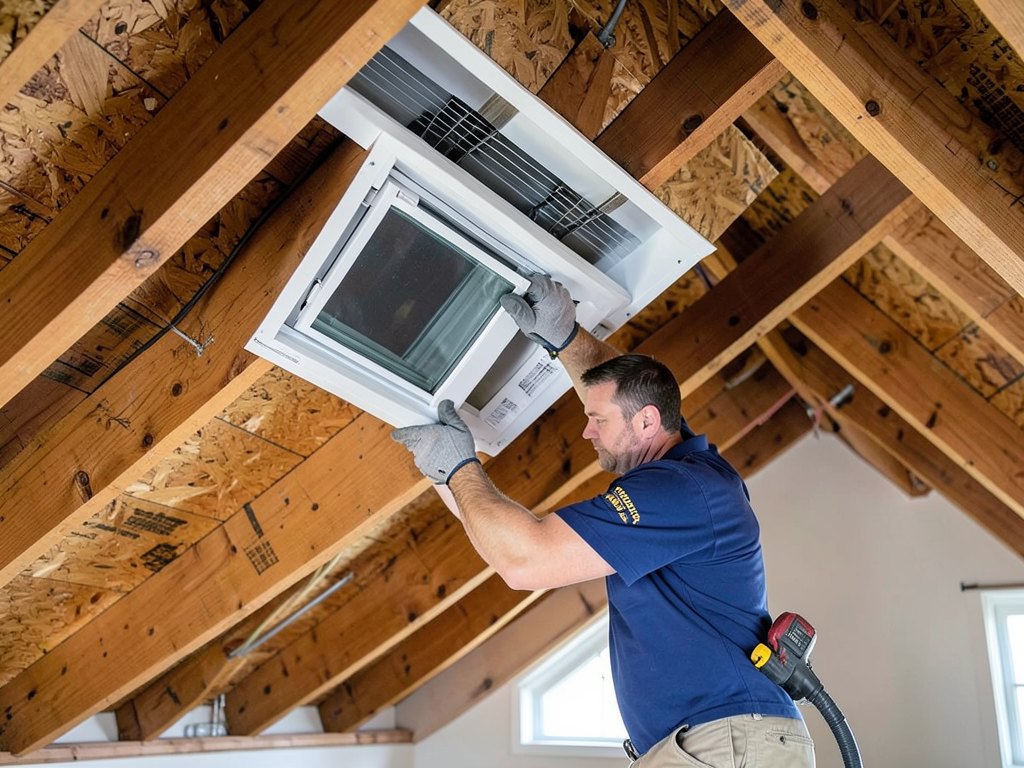
The Best Way to Heat and Cool a Finished Attic in Your Malden Cape Cod
Finished attics in Malden’s classic Cape Cod homes present a unique climate control challenge. These charming spaces often become unusable during Boston’s extreme seasonal swings sweltering in summer and freezing in winter. The good news is that with the right HVAC solution you can transform that space into comfortable living area year-round. Finding the Right Ductless Mini Split for a Beacon Hill Brownstone.
The key to success lies in understanding the specific thermal dynamics of Cape Cod attics and selecting equipment that handles both the intense summer heat and brutal winter cold that characterizes the Boston climate. A properly designed system not only provides comfort but also protects your investment by preventing moisture damage and ice dam formation.
The Challenges of Heating and Cooling a Boston Attic
Attic spaces face distinct challenges that ground-floor rooms never encounter. Heat naturally rises making second-floor spaces harder to cool in summer. In winter the opposite problem occurs as warm air escapes through the roof creating cold spots. Malden’s Cape Cod style homes with their characteristic sloped ceilings and knee walls create additional complications.
The building envelope in these older homes often lacks modern insulation standards. Many Cape Cod attics were never designed as living spaces so they have minimal or no insulation in the roof rafters or knee walls. This creates what HVAC professionals call the ‘oven effect’ in summer when temperatures can soar to 120 degrees or higher in poorly ventilated attics.
Moisture management presents another critical challenge. Boston’s high humidity combined with temperature differentials between the attic and living spaces creates perfect conditions for condensation. This moisture can lead to mold growth wood rot and degradation of insulation effectiveness. Proper HVAC design must address both temperature and humidity control.
Top 3 HVAC Options for Attic Living Spaces
Choosing the right HVAC system for your attic conversion depends on several factors including your home’s existing infrastructure your budget and your comfort priorities. Here are the three most effective solutions for Malden Cape Cod attics.
Ductless Mini-Split Systems
Ductless mini-splits have become the gold standard for attic conversions in New England. These systems consist of an outdoor condenser unit connected to one or more indoor air handlers mounted on walls or ceilings. The technology uses inverter-driven compressors that adjust output to maintain precise temperatures. Benefits of Inverter Technology.
The main advantage for Cape Cod attics is that mini-splits require no ductwork. Installing ducts in finished attic spaces often means sacrificing valuable headroom or creating unsightly bulkheads. Mini-splits preserve your ceiling height and can be mounted on sloped walls without major structural modifications.
Modern mini-splits offer heating capabilities down to -15 degrees Fahrenheit making them suitable for Boston winters. Units with cold-climate ratings maintain efficiency even in sub-zero conditions. The ability to heat and cool with a single system eliminates the need for separate heating equipment like electric baseboards or space heaters.
Extending Existing Ductwork
If your Malden Cape Cod already has central air conditioning extending the existing ductwork into the attic might seem like the most straightforward solution. This approach works well when the attic is directly above the main living area and the existing HVAC system has sufficient capacity.
The primary advantage is seamless integration with your home’s existing climate control system. You maintain consistent temperature control throughout the house and can use the same thermostat for all zones. This option also avoids the visual impact of wall-mounted indoor units.
However extending ductwork to attics presents significant challenges. You must ensure proper insulation of all duct runs to prevent heat loss in winter and heat gain in summer. The additional static pressure from longer duct runs may require a larger blower motor or even a system upgrade. Building codes require that any new living space meet current energy efficiency standards which might necessitate upgrading your entire HVAC system. Upgrading Historic Back Bay Homes with Central Air (Without Ruining the Interior Walls).
Independent Heat Pump Systems
Standalone heat pump systems offer another viable option for attic conversions. These units function similarly to mini-splits but typically include both the indoor and outdoor components in a single package. Some models are specifically designed for attic installation with features like condensate pumps and low-profile outdoor units. The Most Reliable Heat Pump Installation Teams in Cambridge.
The advantage of independent systems is that they don’t tax your existing HVAC equipment. If your current system is already at capacity adding an attic zone could compromise performance throughout the house. A dedicated system ensures your attic space gets the attention it needs without affecting other areas.
These systems often include advanced filtration options that can improve indoor air quality. This is particularly valuable in attic spaces that may have been exposed to dust mold or other contaminants during the conversion process. Some models offer HEPA filtration and UV light sterilization for maximum air quality.
Zoning and Load Calculations
Proper system sizing is critical for attic HVAC installations. Undersized equipment will run constantly without achieving comfort while oversized units short-cycle leading to poor humidity control and premature component failure. This is where Manual J load calculations become essential.
Manual J is the industry standard method for calculating heating and cooling loads established by the Air Conditioning Contractors of America. For attic spaces this calculation must account for additional factors including roof orientation solar heat gain through dormer windows and the thermal properties of knee wall construction.
A typical 400-600 square foot attic in a Malden Cape Cod might require 9000-12000 BTU for cooling and 10000-14000 BTU for heating depending on insulation levels and window exposure. However these are rough estimates. The actual requirements could vary significantly based on your specific construction details.
Modern zoning systems allow you to control the attic temperature independently from the rest of your home. This is particularly valuable in Cape Cod attics where the space might be used differently than other rooms. You might want the attic cooler during the day when it’s empty but comfortable at night when you’re using it as a bedroom.
Navigating Boston Building Codes and Mass Save Rebates
Converting an attic to living space in Malden requires compliance with Massachusetts building codes and Boston zoning regulations. The Massachusetts State Building Code Chapter 780 CMR includes specific requirements for habitable attic spaces including minimum ceiling heights emergency egress windows and smoke detector placement. Mass Save program.
Article 32 of the Boston Zoning Code addresses accessory dwelling units which includes finished attic spaces. Depending on your property’s characteristics you might need a zoning permit before beginning HVAC work. The city requires that all HVAC installations be performed by licensed contractors and meet current energy efficiency standards.
The Mass Save program offers substantial rebates for high-efficiency HVAC equipment. As of 2026 air-source heat pumps installed in existing homes can qualify for rebates up to $10000 depending on the equipment’s efficiency ratings and your income level. These rebates can significantly offset the cost of a quality mini-split system.
To qualify for Mass Save rebates your equipment must meet specific efficiency standards. For cooling the Seasonal Energy Efficiency Ratio 2 (SEER2) must be at least 15 and for heating the Heating Seasonal Performance Factor 2 (HSPF2) must be at least 8.5. Many cold-climate mini-splits exceed these minimums with SEER2 ratings of 20 or higher.
The application process for rebates requires documentation of your existing system and the new installation. Your HVAC contractor should handle this paperwork but it’s wise to verify that they’re familiar with current Mass Save requirements. Some contractors even offer to deduct the rebate amount from your initial payment.
Insulation and Ventilation: The HVAC Partners
No HVAC system can overcome poor insulation and ventilation. In fact installing high-efficiency equipment in a poorly insulated attic is like trying to heat or cool the outdoors. The building envelope must work in harmony with your HVAC system.
Knee walls in Cape Cod attics require special attention. These short vertical walls where the ceiling meets the floor create thermal bridges that allow heat transfer. Installing R-19 or higher insulation in knee walls significantly improves overall thermal performance. Some homeowners also add rigid foam insulation to the attic side of knee walls for additional protection.
Roof insulation presents different challenges than wall insulation. In sloped ceiling applications you typically have limited space for insulation between rafters. Spray foam insulation can provide R-30 or higher performance in just 5-6 inches of depth. This closed-cell foam also creates an air seal eliminating drafts and moisture infiltration.
Ventilation remains critical even in insulated attics. Without proper air exchange moisture can accumulate leading to condensation problems. Ridge vents combined with soffit vents create passive ventilation that helps regulate attic temperature and humidity. Some HVAC systems include dedicated ventilation components that integrate with the main equipment.
Radiant barriers installed under roof decking can reduce summer heat gain by reflecting infrared radiation. This technology is particularly effective in Malden’s climate where summer sun exposure can dramatically increase attic temperatures. When combined with proper insulation radiant barriers can reduce cooling loads by 10-15%.
Cost Considerations for Malden Homeowners
The cost of attic HVAC installation in Malden varies widely based on the chosen system and installation complexity. Ductless mini-split installations typically range from $4500 to $9000 for a complete system including equipment and installation. This price includes the outdoor condenser unit one or two indoor air handlers and all necessary electrical work.
Extending existing ductwork is often more expensive ranging from $8000 to $15000. The higher cost reflects the labor involved in running ducts through finished spaces adding insulation to existing runs and potentially upgrading your main HVAC system to handle the additional load. However this option might add more value to your home if you plan to sell in the near future.
Independent heat pump systems fall between these extremes at $6000 to $12000. The final cost depends on the system’s capacity features like variable-speed blowers and whether you need additional electrical service upgrades. Some high-end systems with advanced filtration and smart controls can exceed $15000.
Beyond equipment costs consider the long-term operating expenses. High-efficiency systems might cost more upfront but can reduce monthly utility bills by 30-50%. In Massachusetts where electricity rates are among the highest in the nation these savings add up quickly. Many homeowners find that the monthly savings offset the higher initial investment within 3-5 years. Massachusetts State Building Code.
Maintenance costs also factor into the total cost of ownership. Mini-splits require annual cleaning of indoor units and periodic outdoor unit maintenance. Central systems need regular filter changes duct cleaning and professional tune-ups. These ongoing costs typically range from $150 to $400 per year depending on the system complexity.
Case Study: Successful Attic Conversion in Maplewood Square
A recent project in Malden’s Maplewood Square neighborhood demonstrates the potential of proper attic HVAC design. The homeowners converted their 550 square foot Cape Cod attic into a master suite including a bedroom home office and small bathroom.
The space presented typical Cape Cod challenges including low knee walls minimal existing insulation and limited access for equipment. After conducting a Manual J calculation we recommended a dual-zone mini-split system with one 12000 BTU unit for the bedroom area and a 9000 BTU unit for the office space.
We installed R-38 spray foam insulation in the roof rafters and R-21 in the knee walls. The outdoor condenser unit was mounted on the rear of the house where it’s protected from winter winds but still receives adequate airflow. The indoor units were mounted high on the sloped walls where they’re nearly invisible when entering the room.
The homeowners qualified for $8500 in Mass Save rebates which covered approximately 60% of the equipment costs. Their first winter utility bills decreased by 22% compared to the previous year despite adding 550 square feet of conditioned space. The system maintains consistent 72-degree temperatures year-round with humidity levels between 40-50%.
This project illustrates how proper system design insulation and rebate utilization can create a comfortable space while actually reducing overall energy consumption. The key was treating the attic as a distinct thermal zone rather than trying to extend the existing system.
Maintenance and Longevity
Proper maintenance ensures your attic HVAC system performs efficiently for its full service life. Mini-splits typically last 15-20 years with good maintenance while central systems often need replacement after 12-15 years. The extreme temperature variations in attic spaces can shorten equipment life if maintenance is neglected.
Monthly filter cleaning is essential for mini-split systems. The indoor units have washable filters that should be rinsed every 30-60 days. Dirty filters restrict airflow reducing efficiency and potentially causing the system to freeze up in cooling mode. Some homeowners find that pet dander or dust from renovation work requires more frequent cleaning.
Annual professional maintenance should include checking refrigerant levels cleaning condenser coils and inspecting electrical connections. The outdoor unit in attic applications often sits on a roof or platform where it’s exposed to leaves debris and potential animal nesting. Keeping this area clear prevents airflow restrictions that reduce efficiency.
Condensate management becomes particularly important in attic installations. The indoor units produce water during cooling that must be properly drained. In finished attic spaces this often requires condensate pumps to lift water to existing drain lines. These pumps can fail leading to water damage so they should be inspected annually and replaced every 5-7 years.
Thermostat placement affects system performance. In attic spaces avoid mounting thermostats near supply vents or in direct sunlight. Many homeowners find that smart thermostats with remote sensors provide better comfort by measuring temperature in the actual living area rather than near the equipment.
Future-Proofing Your Attic HVAC
Technology continues to advance in HVAC systems offering features that improve comfort efficiency and convenience. When planning your attic conversion consider how future needs might change. A system that seems adequate today might become insufficient if you later decide to use the space differently.
Variable refrigerant flow (VRF) systems represent the cutting edge of HVAC technology. These systems can connect multiple indoor units to a single outdoor unit with the ability to heat some spaces while cooling others simultaneously. While more expensive than conventional systems VRF technology offers unmatched flexibility for complex attic layouts.
Integration with home automation systems allows for sophisticated control strategies. You might program your system to pre-cool the attic during off-peak hours or adjust temperatures automatically based on occupancy sensors. Some systems can even learn your schedule and preferences over time optimizing both comfort and efficiency.
Electrical capacity deserves consideration even if you’re not installing a high-power system today. Running additional circuits during the initial installation is much easier than retrofitting later. This future-proofs your attic for potential additions like electric vehicle charging stations or home office equipment that might increase electrical demand.
Finally consider the environmental impact of your HVAC choices. High-efficiency systems reduce your carbon footprint while improving comfort. Some homeowners pair their HVAC upgrades with solar panels creating a truly sustainable living space. The combination of efficient heating cooling and renewable energy can dramatically reduce both utility costs and environmental impact.
Making Your Decision
Selecting the right HVAC solution for your Malden Cape Cod attic requires balancing multiple factors. Start by defining how you’ll use the space. A home office has different requirements than a guest bedroom or entertainment area. The intended use influences decisions about zoning capacity and air quality features.
Consider your long-term plans for the home. If you’re planning to stay for many years investing in a high-quality system with good efficiency ratings makes financial sense. If you’re preparing to sell focusing on cost-effective solutions that improve marketability might be wiser.
Don’t overlook the importance of professional design. Even the best equipment performs poorly if improperly sized or installed. A qualified HVAC contractor will conduct load calculations assess your home’s existing systems and recommend solutions tailored to your specific situation.
Finally remember that attic HVAC is just one component of a successful conversion. Insulation air sealing and moisture management work together with your heating and cooling system to create a comfortable durable space. Addressing all these elements ensures your investment provides years of reliable comfort.
Frequently Asked Questions
How long does it take to install HVAC in an attic?
Most attic HVAC installations take 2-4 days depending on the system complexity. Mini-split installations typically complete faster at 1-2 days while extending ductwork might require 3-5 days including drywall repair and painting.
Can I install attic HVAC myself to save money?
DIY HVAC installation is not recommended and often violates Massachusetts building codes. Professional installation ensures proper sizing efficiency and warranty coverage. Improper installation can lead to moisture problems electrical hazards and equipment failure.
Will attic HVAC increase my home’s value?
Yes finished attic space with proper climate control typically adds 50-75% of its construction cost to home value. The improvement is especially valuable in Malden’s competitive housing market where finished square footage commands premium prices.
What’s the most energy-efficient option for attic heating and cooling?
Ductless mini-split heat pumps with cold-climate ratings offer the best efficiency typically achieving 300-400% efficiency for heating. These systems can reduce energy costs by 30-50% compared to electric resistance heating or window air conditioners.
Do I need a permit for attic HVAC installation in Malden?
Yes Massachusetts law requires permits for all HVAC installations. The permit process ensures your system meets building codes and energy efficiency standards. Your HVAC contractor should handle permitting but verify this before work begins.
- Schedule Professional Assessment
Contact a licensed HVAC contractor to evaluate your attic space existing systems and insulation levels. They’ll conduct load calculations and discuss your comfort needs and budget.
- Explore Rebate Options
Check Mass Save eligibility and available rebates for high-efficiency equipment. Many contractors can provide preliminary rebate estimates to help with budgeting decisions.
- Review Design Proposals
Compare system options including equipment placement energy efficiency ratings and warranty coverage. Ask about installation timelines and any necessary structural modifications.
- Prepare the Space
Complete any necessary insulation air sealing or electrical upgrades before installation. This might include adding attic access improving ventilation or upgrading electrical service.
- Schedule Professional Installation
Work with your contractor to schedule installation during favorable weather conditions. Plan for temporary displacement if the work affects your main living areas.
Take the Next Step
Don’t let another season pass with an uncomfortable attic space. Whether you’re planning a complete conversion or just want better temperature control for occasional use the right HVAC solution can transform your Malden Cape Cod attic into valuable living space.
Call (617) 758-1599 today to schedule your free attic HVAC assessment. Our experienced technicians will evaluate your specific needs explain your options and help you take advantage of available rebates. Stop wasting that valuable space and start enjoying year-round comfort in your home.
Pick up the phone and call (617) 758-1599 before the next heat wave or cold snap makes your attic unusable again. Your comfort is just one call away.
{
“@context”: “https://schema.org”,
“@type”: “BlogPosting”,
“headline”: “The Best Way to Heat and Cool a Finished Attic in Your Malden Cape Cod”,
“description”: “Transform your Malden Cape Cod attic into year-round living space with expert HVAC solutions. Learn about mini-splits, ductwork, and local rebates.”,
“wordCount”: 3164,
“datePublished”: “2026-04-10T12:47:00.000Z”,
“dateModified”: “2026-04-10T12:47:00.000Z”,
“inLanguage”: “en-US”,
“mainEntityOfPage”: {
“@type”: “WebPage”,
“@id”: “https://titanhvacboston.com”
},
“publisher”: {
“@type”: “LocalBusiness”,
“name”: “Titan HVAC Boston”,
“url”: “https://titanhvacboston.com”
},
“author”: {
“@type”: “Organization”,
“name”: “Titan HVAC Boston”,
“url”: “https://titanhvacboston.com”
},
“image”: {
“@type”: “ImageObject”,
“url”: “https://titanhvacboston.com/wp-content/uploads/2026/03/the-best-way-to-heat-and-cool-a-finished-attic-in-1.png”
}
}
{
“@context”: “https://schema.org”,
“@type”: “HVACBusiness”,
“name”: “Titan HVAC Boston”,
“url”: “https://titanhvacboston.com”,
“address”: {
“@type”: “PostalAddress”,
“addressLocality”: “Boston”
},
“areaServed”: {
“@type”: “City”,
“name”: “Boston”
}
}
{
“@context”: “https://schema.org”,
“@type”: “FAQPage”,
“mainEntity”: [
{
“@type”: “Question”,
“name”: “How long does it take to install HVAC in an attic?”,
“acceptedAnswer”: {
“@type”: “Answer”,
“text”: “Most attic HVAC installations take 2-4 days depending on the system complexity. Mini-split installations typically complete faster at 1-2 days while extending ductwork might require 3-5 days including drywall repair and painting.”
}
},
{
“@type”: “Question”,
“name”: “Can I install attic HVAC myself to save money?”,
“acceptedAnswer”: {
“@type”: “Answer”,
“text”: “DIY HVAC installation is not recommended and often violates Massachusetts building codes. Professional installation ensures proper sizing efficiency and warranty coverage. Improper installation can lead to moisture problems electrical hazards and equipment failure.”
}
},
{
“@type”: “Question”,
“name”: “Will attic HVAC increase my home’s value?”,
“acceptedAnswer”: {
“@type”: “Answer”,
“text”: “Yes finished attic space with proper climate control typically adds 50-75% of its construction cost to home value. The improvement is especially valuable in Malden’s competitive housing market where finished square footage commands premium prices.”
}
},
{
“@type”: “Question”,
“name”: “What’s the most energy-efficient option for attic heating and cooling?”,
“acceptedAnswer”: {
“@type”: “Answer”,
“text”: “Ductless mini-split heat pumps with cold-climate ratings offer the best efficiency typically achieving 300-400% efficiency for heating. These systems can reduce energy costs by 30-50% compared to electric resistance heating or window air conditioners.”
}
},
{
“@type”: “Question”,
“name”: “Do I need a permit for attic HVAC installation in Malden?”,
“acceptedAnswer”: {
“@type”: “Answer”,
“text”: “Yes Massachusetts law requires permits for all HVAC installations. The permit process ensures your system meets building codes and energy efficiency standards. Your HVAC contractor should handle permitting but verify this before work begins.”
}
}
]
}
{
“@context”: “https://schema.org”,
“@type”: “HowTo”,
“name”: “How to Get Started with Attic HVAC”,
“step”: [
{
“@type”: “HowToStep”,
“position”: 1,
“name”: “Schedule Professional Assessment”,
“text”: “Contact a licensed HVAC contractor to evaluate your attic space existing systems and insulation levels. They’ll conduct load calculations and discuss your comfort needs and budget.”
},
{
“@type”: “HowToStep”,
“position”: 2,
“name”: “Explore Rebate Options”,
“text”: “Check Mass Save eligibility and available rebates for high-efficiency equipment. Many contractors can provide preliminary rebate estimates to help with budgeting decisions.”
},
{
“@type”: “HowToStep”,
“position”: 3,
“name”: “Review Design Proposals”,
“text”: “Compare system options including equipment placement energy efficiency ratings and warranty coverage. Ask about installation timelines and any necessary structural modifications.”
},
{
“@type”: “HowToStep”,
“position”: 4,
“name”: “Prepare the Space”,
“text”: “Complete any necessary insulation air sealing or electrical upgrades before installation. This might include adding attic access improving ventilation or upgrading electrical service.”
},
{
“@type”: “HowToStep”,
“position”: 5,
“name”: “Schedule Professional Installation”,
“text”: “Work with your contractor to schedule installation during favorable weather conditions. Plan for temporary displacement if the work affects your main living areas.”
}
],
“image”: “https://titanhvacboston.com/wp-content/uploads/2026/03/the-best-way-to-heat-and-cool-a-finished-attic-in-1.png”
}
{
“@context”: “https://schema.org”,
“@type”: “BreadcrumbList”,
“itemListElement”: [
{
“@type”: “ListItem”,
“position”: 1,
“name”: “Home”,
“item”: “https://titanhvacboston.com”
},
{
“@type”: “ListItem”,
“position”: 2,
“name”: “Blog”,
“item”: “https://titanhvacboston.com/blog”
},
{
“@type”: “ListItem”,
“position”: 3,
“name”: “The Best Way to Heat and Cool a Finished Attic in Your Malden Cape Cod”
}
]
}
{
“@context”: “https://schema.org”,
“@type”: “Service”,
“serviceType”: “HVAC”,
“provider”: {
“@type”: “LocalBusiness”,
“name”: “Titan HVAC Boston”,
“url”: “https://titanhvacboston.com”
},
“areaServed”: {
“@type”: “City”,
“name”: “Boston”
},
“description”: “Transform your Malden Cape Cod attic into year-round living space with expert HVAC solutions. Learn about mini-splits, ductwork, and local rebates.”
}