
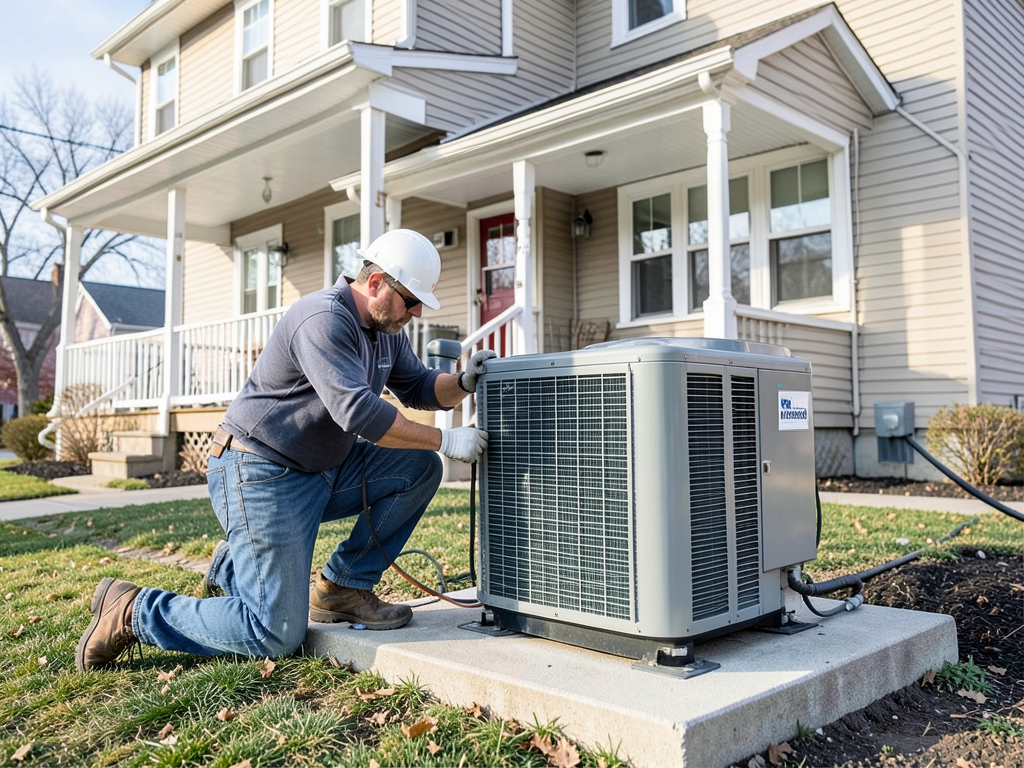
Preparing Your Mattapan Home for the Shift Away from Natural Gas
The transition from natural gas heating to electric HVAC systems is accelerating across Boston’s neighborhoods. For Mattapan homeowners, this shift represents both an environmental opportunity and a practical challenge. The dense residential character of Mattapan’s triple-deckers and single-family homes creates unique considerations when planning an electric conversion.. Read more about Strange Noises Your Boston Furnace Makes Before It Actually Breaks Down.
Mattapan’s housing stock dates back to the early 1900s, with many homes still relying on aging natural gas furnaces or oil heating systems. These systems not only contribute to carbon emissions but also pose safety risks through potential gas leaks or carbon monoxide exposure. The neighborhood’s proximity to the Neponset River and its low-lying areas also means many basements experience moisture issues that can affect HVAC equipment longevity. How to Get Fast Emergency Furnace Repair in Dorchester This Winter.
Massachusetts has set ambitious climate goals, aiming for net-zero emissions by 2050. This means the pressure to transition away from fossil fuels will only increase. For Mattapan residents, the question isn’t if you’ll need to consider electric HVAC, but when and how to make the switch most effectively. Mass Save Program.
Understanding the Mass Save Program for Mattapan Residents
The Mass Save program offers substantial rebates for homeowners switching to electric heat pumps. For Mattapan properties, the program provides up to $10,000 in rebates for whole-home heat pump installations, depending on your current heating system and household income level. The Most Reliable Heat Pump Installation Teams in Cambridge.
The program specifically targets homes in environmental justice communities like Mattapan, where many residents face higher energy burdens. If your household income is below 80% of the state median, you could qualify for enhanced rebates that cover up to 90% of your conversion costs.
Mass Save also offers no-interest financing for up to seven years on approved electric HVAC systems. This makes the upfront investment more manageable for homeowners concerned about the initial cost of conversion. The program requires a home energy assessment before any rebates are approved, which helps identify the most cost-effective improvements for your specific property.
Mattapan’s older electrical infrastructure in some areas may require electrical panel upgrades to support heat pump systems. The Mass Save assessment will identify if your home needs a 200-amp service upgrade, which is common in homes built before the 1980s. These upgrades qualify for additional rebates through the program.
Cold-Climate Heat Pumps: Performance in Mattapan Winters
Modern cold-climate heat pumps operate efficiently even when temperatures drop below zero. For Mattapan’s winter conditions, where temperatures can reach -10°F during severe cold snaps, you need units with Hyper-Heat technology that maintain heating capacity at these extreme temperatures.
Top-tier cold-climate heat pumps achieve heating seasonal performance factors (HSPF) of 10 or higher, meaning they produce 10 units of heat for every unit of electricity consumed. This efficiency translates to significant cost savings compared to oil heating, which typically achieves only 80-85% efficiency.. Read more about What Every First Time Homebuyer in West Roxbury Needs to Check in the Utility Closet.
The latest inverter-driven compressors in these systems adjust their output based on demand, rather than cycling on and off like traditional HVAC equipment. This technology reduces energy consumption by 30-40% compared to standard heat pumps while providing more consistent indoor temperatures throughout Mattapan’s variable winter weather. Benefits of Inverter Technology.
During the January 2023 cold snap that brought record lows to Boston, properly installed cold-climate heat pumps maintained indoor temperatures of 70°F or higher in Mattapan homes, even when outdoor temperatures dropped to -8°F. This demonstrates the reliability of modern electric systems in our local climate.
Cost Comparison: Electric vs. Natural Gas in Massachusetts
Current Massachusetts electricity rates average 29 cents per kilowatt-hour, while natural gas costs approximately $2.20 per therm. At first glance, gas appears cheaper, but heat pump efficiency changes this calculation dramatically. Massachusetts Energy Efficiency.
A high-efficiency heat pump with an HSPF of 10 produces about 3,412 BTUs per kilowatt-hour. To deliver the same heat as one therm of natural gas (100,000 BTUs), a heat pump uses approximately 29 kilowatt-hours, costing $8.41 at current rates.
However, a standard 80% efficient gas furnace requires 125,000 BTUs of gas input to produce 100,000 BTUs of heat, costing $2.75 per therm. The heat pump’s higher efficiency means lower operating costs despite higher electricity rates.
Annual heating costs for a typical Mattapan home (1,500 square feet) show electric heat pumps costing approximately $1,200 per year versus $1,500 for natural gas, assuming current utility rates remain stable. These savings increase if electricity rates decrease or if you take advantage of off-peak pricing programs.
Converting Your Mattapan Home: The Step-by-Step Process
Converting from natural gas to electric HVAC requires careful planning to ensure your home is ready for the transition. The process typically takes 2-3 days for a complete system replacement, though electrical upgrades may extend this timeline.
Step one involves a comprehensive home energy assessment to identify air leaks, inadequate insulation, and electrical system capacity. Mattapan’s older homes often have insufficient attic insulation and drafty windows that reduce HVAC efficiency regardless of the system type.
Step two determines the appropriate system size for your home. Oversized systems short-cycle, reducing efficiency and comfort, while undersized units struggle during extreme weather. A Manual J calculation, required by Massachusetts building code 780 CMR 13.00, ensures proper sizing based on your home’s specific characteristics.
Step three addresses any necessary electrical upgrades. Most heat pump installations require a 200-amp electrical service, which may not exist in homes built before 1980. This upgrade typically costs $2,000-$4,000 but qualifies for Mass Save rebates.
Step four involves selecting between ducted and ductless systems. Mattapan’s triple-deckers often benefit from ductless mini-splits, which avoid the cost and disruption of installing ductwork in finished spaces. Ducted systems work better for homes with existing forced-air distribution.
Environmental Impact and Boston’s Climate Goals
Switching from natural gas to electric HVAC in Mattapan directly supports Boston’s Climate Action Plan, which aims to reduce citywide greenhouse gas emissions by 50% by 2030. Buildings account for approximately 70% of Boston’s emissions, making residential heating conversions crucial to meeting these targets.. Read more about Is It Worth Switching Your Chelsea Home From Heating Oil to an Electric Heat Pump?.
A typical Mattapan home switching from natural gas to a high-efficiency heat pump reduces carbon emissions by approximately 3-4 tons annually. This equals the carbon sequestration of about 150 trees per year, making a measurable impact on local air quality.
The Massachusetts electrical grid continues to add renewable energy sources, with wind and solar now providing over 30% of the state’s electricity. As the grid becomes cleaner, the carbon footprint of electric heating decreases further, while natural gas emissions remain constant.
Boston’s BERDO (Building Emissions Reduction and Disclosure Ordinance) requires large buildings to report energy use and meet emissions standards. While residential homes aren’t currently covered, the trend clearly points toward increased regulation of residential emissions in the coming years.
Indoor Air Quality Benefits for Mattapan Homes
Electric heat pumps provide superior indoor air quality compared to natural gas systems. Gas furnaces produce combustion byproducts including carbon monoxide, nitrogen dioxide, and particulate matter that can affect respiratory health, particularly in homes with children or elderly residents.
Modern heat pumps include advanced filtration systems that remove airborne contaminants, allergens, and pathogens. Many units feature HEPA-grade filters that capture 99.97% of particles 0.3 microns or larger, significantly improving air quality for Mattapan residents concerned about asthma or allergies.
The dehumidification capabilities of heat pumps also address the moisture issues common in Mattapan’s older homes. During summer months, these systems remove excess humidity, preventing mold growth and creating more comfortable indoor environments without the need for separate dehumidifiers.
Heat pumps provide consistent air circulation throughout your home, eliminating the hot and cold spots common with older gas systems. This even temperature distribution improves comfort while reducing energy waste from overheating certain areas.
Financial Incentives Beyond Mass Save
The federal Inflation Reduction Act provides additional tax credits for electric HVAC conversions. Homeowners can claim 30% of installation costs, up to $2,000, for qualified heat pump systems. This credit applies to both the equipment and installation labor.
Massachusetts offers property tax exemptions for certain energy efficiency improvements, including HVAC upgrades. While not available in all municipalities, Boston residents should check with the city’s Assessing Department about potential tax benefits for electric conversions.
Utility companies like National Grid and Eversource offer additional rebates for customers switching to electric heating. These programs change annually but typically provide $500-$1,000 in additional savings for heat pump installations.
Low-interest financing through the Mass Save HEAT Loan program provides up to $50,000 at 0% interest for seven years. This financing option makes larger projects more affordable by spreading costs over time while eliminating interest charges.
Common Concerns and Solutions for Mattapan Homeowners
Many Mattapan homeowners worry about heat pump reliability during extreme cold. Modern cold-climate units address this concern with backup electric resistance heating that activates only when temperatures drop below the unit’s efficient operating range, typically around -15°F.
Noise levels concern some residents about heat pump installations. Today’s units operate at 50-60 decibels, comparable to a refrigerator’s hum. Proper installation with vibration isolation mounts ensures quiet operation that won’t disturb neighbors in Mattapan’s closely spaced homes.
Aesthetic concerns about outdoor units affect some homeowners. Heat pump condenser units can be installed on rooftops, in side yards, or behind landscaping to minimize visual impact. Some models offer low-profile designs specifically for urban settings like Mattapan.
System longevity worries some homeowners about the investment. Quality heat pumps typically last 15-20 years with proper maintenance, similar to gas furnaces. The absence of combustion eliminates heat exchanger degradation, a common failure point in gas systems.
Preparing Your Home for the Transition
Before scheduling your electric HVAC conversion, several preparatory steps ensure a smooth transition. Start by scheduling a home energy audit through Mass Save to identify efficiency improvements that maximize your new system’s performance.
Check your electrical panel capacity. Most heat pump systems require 200-amp service, which may necessitate an electrical panel upgrade. This work should be completed before HVAC installation to avoid delays.
Address any moisture issues in basements or crawl spaces. High humidity can reduce heat pump efficiency and cause premature equipment failure. Proper drainage and vapor barriers protect your investment in the new system.
Plan for temporary heating interruption during installation. Most conversions require 24-48 hours without heat, so schedule the work during mild weather or arrange alternative heating if necessary.
Consider your home’s layout when selecting between ducted and ductless systems. Open floor plans work well with single-zone systems, while multi-story homes often benefit from multiple indoor units for zoned temperature control.
Finding Qualified HVAC Contractors in Mattapan
Selecting the right contractor ensures your electric HVAC system performs as designed. Look for technicians with North American Technician Excellence (NATE) certification and specific experience with cold-climate heat pump installations in New England. Finding the Right Ductless Mini Split for a Beacon Hill Brownstone.
Verify contractor licensing through the Massachusetts Office of Consumer Affairs and Business Regulation. All HVAC contractors must hold a refrigeration technician license and proper insurance coverage for your protection.
Ask potential contractors about their experience with Mass Save rebates and their process for handling the paperwork. Experienced contractors can help maximize your rebates while ensuring all program requirements are met.
Request references from recent heat pump installations in Mattapan or similar Boston neighborhoods. Speaking with previous customers provides insight into the contractor’s workmanship and customer service quality.
Compare detailed proposals from multiple contractors, focusing on equipment specifications, warranty coverage, and installation timelines rather than just price. The lowest bid often indicates corners being cut on critical components or installation quality.
Maintenance Requirements for Electric HVAC Systems
Heat pumps require less maintenance than gas furnaces but still need regular service to maintain efficiency. Annual professional maintenance includes checking refrigerant levels, cleaning coils, and testing electrical connections to prevent unexpected failures.
Homeowners should replace or clean air filters every 1-3 months, depending on household conditions. Homes with pets or in areas with high pollen may require more frequent filter changes to maintain optimal airflow and indoor air quality.
Outdoor units need seasonal cleaning to remove debris, leaves, and snow buildup. Clear at least two feet of space around the unit for proper airflow, and ensure the pad remains level to prevent vibration and noise issues.
Many modern heat pumps include smart diagnostics that alert homeowners to performance issues before they become major problems. These systems can notify you when maintenance is needed or when efficiency drops below optimal levels.
DIY maintenance tasks include keeping outdoor coils clean with gentle water spray, checking that condensate drains remain clear, and ensuring snow doesn’t block outdoor units during winter storms.
Future-Proofing Your HVAC Investment
Selecting equipment with expansion capabilities protects your investment as technology evolves. Many modern heat pumps support integration with solar panels, battery storage, and smart home systems, allowing you to add these features as they become more affordable.
Consider zoning capabilities when selecting your system. Multi-zone heat pumps allow different areas of your home to maintain different temperatures, improving comfort while reducing energy waste in unoccupied spaces.
Look for equipment with Wi-Fi connectivity and smartphone control. These features enable remote monitoring, energy usage tracking, and the ability to adjust settings when you’re away from home, maximizing efficiency and convenience.
Choose contractors who offer maintenance agreements and priority service. Regular professional maintenance extends equipment life and ensures you receive prompt service if issues arise, particularly important during extreme weather events.
Plan for potential electrical rate changes by selecting equipment with variable-speed compressors that adjust output based on demand. These units maintain efficiency across a wider range of operating conditions, protecting you from rate fluctuations.
Making the Decision: Is Now the Right Time?
Several factors indicate it’s time to transition from natural gas to electric HVAC. If your current system is over 15 years old, requires frequent repairs, or struggles to maintain comfortable temperatures, replacement with a heat pump makes financial sense.
Consider your home’s energy efficiency. If you haven’t addressed insulation, air sealing, or window upgrades, these improvements should precede HVAC replacement to maximize system performance and reduce overall costs.
Evaluate your household’s environmental priorities. If reducing your carbon footprint matters to you, electric heat pumps powered by Massachusetts’ increasingly renewable grid offer immediate environmental benefits over natural gas systems.
Assess your financial situation regarding available rebates and tax credits. With current incentives covering up to 50% of conversion costs, delaying could mean missing substantial savings if programs change or expire.
Consider your timeline for home ownership. If you plan to stay in your Mattapan home for more than five years, the energy savings and increased comfort typically justify the conversion investment.
Frequently Asked Questions
How much does it cost to convert from natural gas to electric HVAC in Mattapan?
The total cost typically ranges from $12,000 to $25,000, including equipment, installation, and any necessary electrical upgrades. With Mass Save rebates and federal tax credits, your net cost often falls between $6,000 and $15,000.
Can heat pumps really keep my home warm during Boston’s coldest winters?
Yes, modern cold-climate heat pumps maintain heating capacity down to -15°F or lower. During extreme cold, they automatically activate backup electric heating, which only runs when necessary. Most Mattapan winters don’t experience temperatures cold enough to require backup heating.
How long does the conversion process take from start to finish?
From initial assessment to completed installation typically takes 4-8 weeks. The actual installation requires 2-3 days for the HVAC work, plus additional time if electrical upgrades are needed. Permit approvals can add 1-2 weeks to the timeline.
Will I need to replace my electrical panel for a heat pump installation?
Most heat pump installations require 200-amp electrical service. If your home has a 100-amp panel, which is common in Mattapan’s older homes, you’ll need an upgrade. This costs $2,000-$4,000 but qualifies for Mass Save rebates.
What maintenance do heat pumps require compared to gas furnaces?
Heat pumps need annual professional maintenance and monthly filter changes, similar to gas furnaces. However, they have fewer moving parts and no combustion components, reducing the likelihood of major repairs. The absence of burners and heat exchangers eliminates common gas furnace failure points.
Are there any downsides to switching from natural gas to electric?
The main considerations are higher upfront costs compared to replacing a gas furnace with another gas unit, and potential electrical rate increases. However, current incentives significantly reduce upfront costs, and the long-term energy savings typically offset any rate increases.
{
“@context”: “https://schema.org”,
“@type”: “BlogPosting”,
“headline”: “Preparing Your Mattapan Home for the Shift Away from Natural Gas”,
“description”: “Learn how Mattapan homeowners can transition from natural gas to efficient electric HVAC systems. Discover Mass Save rebates, cold-climate heat pumps, and local incentives.”,
“wordCount”: 2724,
“datePublished”: “2026-04-14T14:36:00.000Z”,
“dateModified”: “2026-04-14T14:36:00.000Z”,
“inLanguage”: “en-US”,
“mainEntityOfPage”: {
“@type”: “WebPage”,
“@id”: “https://titanhvacboston.com”
},
“publisher”: {
“@type”: “LocalBusiness”,
“name”: “Titan HVAC Boston”,
“url”: “https://titanhvacboston.com”
},
“author”: {
“@type”: “Organization”,
“name”: “Titan HVAC Boston”,
“url”: “https://titanhvacboston.com”
},
“image”: {
“@type”: “ImageObject”,
“url”: “https://titanhvacboston.com/wp-content/uploads/2026/03/preparing-your-mattapan-home-for-the-shift-away-fr-1.png”
}
}
{
“@context”: “https://schema.org”,
“@type”: “HVACBusiness”,
“name”: “Titan HVAC Boston”,
“url”: “https://titanhvacboston.com”,
“address”: {
“@type”: “PostalAddress”,
“addressLocality”: “Boston”
},
“areaServed”: {
“@type”: “City”,
“name”: “Boston”
}
}
{
“@context”: “https://schema.org”,
“@type”: “FAQPage”,
“mainEntity”: [
{
“@type”: “Question”,
“name”: “Making the Decision: Is Now the Right Time?”,
“acceptedAnswer”: {
“@type”: “Answer”,
“text”: “Several factors indicate it’s time to transition from natural gas to electric HVAC. If your current system is over 15 years old, requires frequent repairs, or struggles to maintain comfortable temperatures, replacement with a heat pump makes financial sense.”
}
},
{
“@type”: “Question”,
“name”: “How much does it cost to convert from natural gas to electric HVAC in Mattapan?”,
“acceptedAnswer”: {
“@type”: “Answer”,
“text”: “The total cost typically ranges from $12,000 to $25,000, including equipment, installation, and any necessary electrical upgrades. With Mass Save rebates and federal tax credits, your net cost often falls between $6,000 and $15,000.”
}
},
{
“@type”: “Question”,
“name”: “Can heat pumps really keep my home warm during Boston’s coldest winters?”,
“acceptedAnswer”: {
“@type”: “Answer”,
“text”: “Yes, modern cold-climate heat pumps maintain heating capacity down to -15°F or lower. During extreme cold, they automatically activate backup electric heating, which only runs when necessary. Most Mattapan winters don’t experience temperatures cold enough to require backup heating.”
}
},
{
“@type”: “Question”,
“name”: “How long does the conversion process take from start to finish?”,
“acceptedAnswer”: {
“@type”: “Answer”,
“text”: “From initial assessment to completed installation typically takes 4-8 weeks. The actual installation requires 2-3 days for the HVAC work, plus additional time if electrical upgrades are needed. Permit approvals can add 1-2 weeks to the timeline.”
}
},
{
“@type”: “Question”,
“name”: “Will I need to replace my electrical panel for a heat pump installation?”,
“acceptedAnswer”: {
“@type”: “Answer”,
“text”: “Most heat pump installations require 200-amp electrical service. If your home has a 100-amp panel, which is common in Mattapan’s older homes, you’ll need an upgrade. This costs $2,000-$4,000 but qualifies for Mass Save rebates.”
}
},
{
“@type”: “Question”,
“name”: “What maintenance do heat pumps require compared to gas furnaces?”,
“acceptedAnswer”: {
“@type”: “Answer”,
“text”: “Heat pumps need annual professional maintenance and monthly filter changes, similar to gas furnaces. However, they have fewer moving parts and no combustion components, reducing the likelihood of major repairs. The absence of burners and heat exchangers eliminates common gas furnace failure points.”
}
},
{
“@type”: “Question”,
“name”: “Are there any downsides to switching from natural gas to electric?”,
“acceptedAnswer”: {
“@type”: “Answer”,
“text”: “The main considerations are higher upfront costs compared to replacing a gas furnace with another gas unit, and potential electrical rate increases. However, current incentives significantly reduce upfront costs, and the long-term energy savings typically offset any rate increases.”
}
}
]
}
{
“@context”: “https://schema.org”,
“@type”: “BreadcrumbList”,
“itemListElement”: [
{
“@type”: “ListItem”,
“position”: 1,
“name”: “Home”,
“item”: “https://titanhvacboston.com”
},
{
“@type”: “ListItem”,
“position”: 2,
“name”: “Blog”,
“item”: “https://titanhvacboston.com/blog”
},
{
“@type”: “ListItem”,
“position”: 3,
“name”: “Preparing Your Mattapan Home for the Shift Away from Natural Gas”
}
]
}
{
“@context”: “https://schema.org”,
“@type”: “Service”,
“serviceType”: “HVAC”,
“provider”: {
“@type”: “LocalBusiness”,
“name”: “Titan HVAC Boston”,
“url”: “https://titanhvacboston.com”
},
“areaServed”: {
“@type”: “City”,
“name”: “Boston”
},
“description”: “Learn how Mattapan homeowners can transition from natural gas to efficient electric HVAC systems. Discover Mass Save rebates, cold-climate heat pumps, and local incentives.”
}