
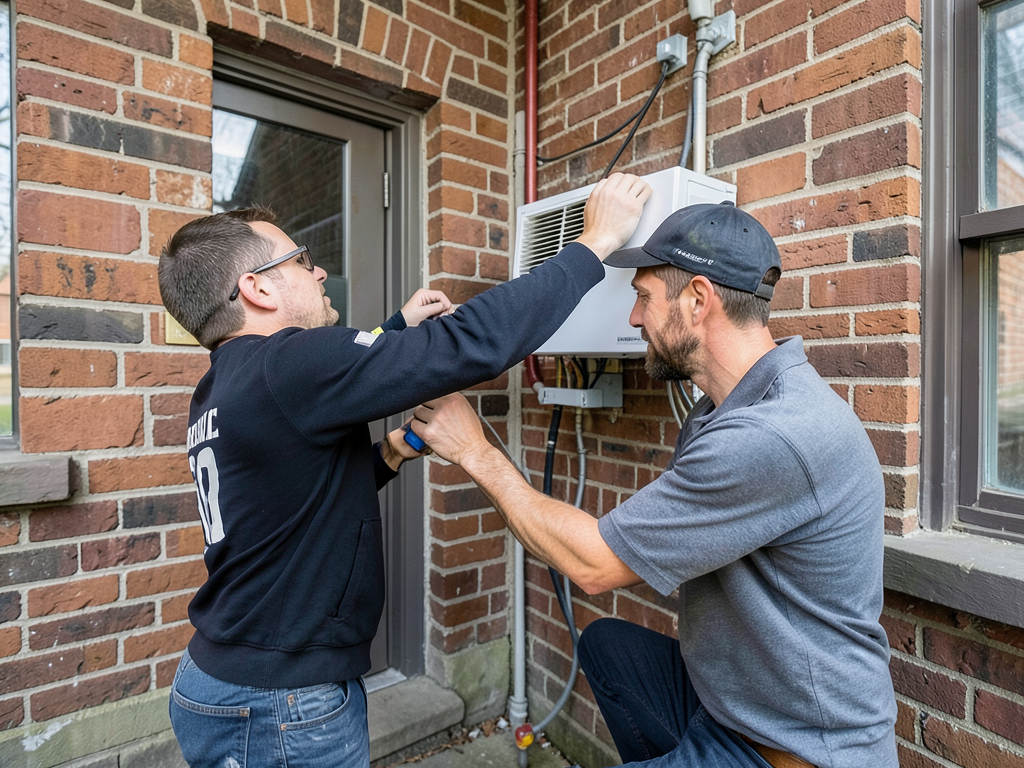
Navigating Massachusetts Heat Pump Rebates for Your Boston Home (2026)
Homeowners in Boston can now receive up to $10,000 in rebates when replacing old heating systems with high-efficiency heat pumps through the Mass Save program. This financial incentive combined with the 0% HEAT Loan makes upgrading to modern HVAC technology more affordable than ever. Mass Save Program.
How Much Can You Save with Mass Save Heat Pump Rebates in Boston?
The Mass Save program offers tiered rebates based on your home’s current heating system and the efficiency of the new heat pump installation. Whole-home conversions from oil, propane, or electric resistance heating qualify for the maximum $10,000 rebate. Partial system upgrades or switching from natural gas can still earn $1,250 to $2,500 in rebates. The Most Reliable Heat Pump Installation Teams in Cambridge.
These rebates apply to air-source heat pumps that meet specific efficiency requirements. The equipment must be AHRI certified and achieve a Heating Seasonal Performance Factor (HSPF2) of at least 10.0 for cold-climate models. Ground-source heat pumps qualify for separate incentives through the Massachusetts Clean Energy Center. Massachusetts Clean Energy Center.
Step-by-Step Guide to Claiming Your Heat Pump Rebate
The rebate process requires working with a certified contractor who can navigate the paperwork and ensure your installation meets all program requirements. Here’s how it works: What to Do When Your Back Bay AC Unit Stops Working in July.
- Schedule Home Energy Assessment
A certified energy auditor evaluates your home’s insulation, air sealing, and current heating system to establish baseline efficiency and identify opportunities for improvement.
- Receive Contractor Quote
Your Mass Save participating contractor provides detailed proposals showing equipment specifications, installation costs, and projected energy savings.
- Install Qualifying Equipment
The heat pump system must be installed by a certified professional who documents all technical specifications for rebate verification.
- Submit Documentation
Your contractor handles the rebate application, providing proof of installation, equipment certifications, and energy assessment results to Mass Save.
Why Boston Homes Are Perfect for Heat Pump Technology
Boston’s climate creates unique heating and cooling challenges that modern heat pumps handle exceptionally well. The technology has advanced significantly, with cold-climate models maintaining efficiency even when outdoor temperatures drop below zero.
Older Boston homes built before 1950 often have poor insulation and drafty windows. Heat pumps work effectively in these conditions because they move heat rather than generate it, providing consistent comfort while using less energy than traditional systems. The variable-speed compressors adjust output based on demand, eliminating the temperature swings common in older heating systems.
Many Boston neighborhoods feature historic homes with architectural restrictions. Ductless mini-split heat pumps offer an ideal solution since they require minimal wall modifications and can be installed without affecting historic character. These systems also provide zoned heating and cooling, perfect for the multi-level layouts common in Victorian and Colonial homes. Upgrading Historic Back Bay Homes with Central Air (Without Ruining the Interior Walls).
Understanding the 0% HEAT Loan Program
The Mass Save HEAT Loan provides 0% interest financing for up to seven years on qualifying HVAC upgrades. This program works alongside rebates to further reduce the financial barrier to installing heat pumps.
Loan amounts can reach $50,000 for heat pump installations, covering both equipment and labor costs. The application process is straightforward when working with a participating contractor who handles the paperwork. Monthly payments typically range from $120 to $600 depending on the loan amount and term selected.
The combination of rebates and 0% financing can reduce the net cost of a heat pump installation by 50% or more. For a $15,000 installation, you might pay only $4,500 after rebates and spread the remaining cost over several years at no interest.
Heat Pump Types and Their Boston Applications
Different heat pump technologies suit various Boston home styles and heating needs. Understanding these options helps you choose the most cost-effective solution for your specific situation.
| Heat Pump Type | Best For | Efficiency Range | Installation Cost |
|---|---|---|---|
| Ductless Mini-Split | Historic homes, additions, zoned control | HSPF2 10-13 | $4,500-8,500 per unit |
| Ducted Air-Source | Homes with existing ductwork | HSPF2 9-11 | $12,000-20,000 |
| Ground-Source (Geothermal) | New construction, large properties | COP 3.5-5.0 | $25,000-45,000 |
Ductless mini-splits excel in Boston’s older housing stock where installing ductwork would be prohibitively expensive or architecturally inappropriate. These systems can heat and cool individual rooms or zones, allowing you to condition only the spaces you’re using.
Ducted air-source heat pumps work well in homes built after 1970 with existing forced-air systems. They provide whole-home comfort through the same ductwork used for your current furnace or central air conditioner. How to Get Fast Emergency Furnace Repair in Dorchester This Winter.
Ground-source heat pumps offer the highest efficiency but require significant land area for the underground loop system. They’re most practical for new construction or homes with large yards in suburban Boston areas.
Navigating Local Requirements and Restrictions
Boston’s building codes and historic districts create specific requirements for heat pump installations. Understanding these regulations prevents costly mistakes and ensures your project moves forward smoothly.
The Massachusetts Stretch Energy Code requires all new HVAC installations to meet minimum efficiency standards. Heat pumps automatically exceed these requirements, but proper sizing and installation are critical for optimal performance.
Historic districts like Beacon Hill, Back Bay, and parts of Charlestown have strict guidelines for exterior modifications. Ductless mini-splits with low-profile outdoor units and interior wall-mounted heads often receive approval since they don’t alter the building’s historic character.
Noise ordinances in dense urban areas limit the sound levels of outdoor equipment. Modern heat pumps operate at 50-70 decibels, comparable to normal conversation, making them suitable for Boston’s close-quarter neighborhoods.
Common Heat Pump Installation Scenarios in Boston
Different home types and heating systems create distinct installation approaches. Here are the most common scenarios we encounter in Boston neighborhoods.
Triple-decker conversions in Dorchester and South Boston often use ductless mini-splits to provide individual temperature control for each unit. This approach eliminates conflicts between tenants and reduces overall energy consumption.
Victorian homes in Jamaica Plain and Roslindale frequently replace oil boilers with air-source heat pumps. These installations often combine the heat pump with the existing oil system as backup for extreme cold snaps.
Modern condos in Seaport and the Fenway area benefit from compact ductless systems that fit within limited mechanical spaces. The high cooling demand in these glass-heavy buildings makes heat pumps an ideal year-round solution.
Preparing Your Home for Heat Pump Installation
Maximizing heat pump efficiency requires addressing your home’s overall energy performance. Poor insulation or air leaks force the system to work harder, reducing both comfort and savings.
Start with air sealing around windows, doors, and attic penetrations. Boston’s older homes often have gaps that let cold air in during winter and hot air in during summer. Simple weatherstripping and caulking can reduce heating and cooling loads by 15-20%.
Attic insulation is crucial since heat rises and escapes through the roof. Most Boston homes need at least R-49 insulation in the attic, which may require adding 12-15 inches of blown-in cellulose or fiberglass.
Basement and crawl space insulation prevents cold floors and reduces the load on your heating system. Spray foam insulation works well in these areas since it also provides air sealing.
Maintenance Requirements for Heat Pump Systems
Heat pumps require less maintenance than traditional heating systems but still need regular attention to maintain efficiency and longevity. Annual professional maintenance typically costs $150-300.
Filter replacement is the most frequent task. Clean filters every 1-3 months depending on your home’s dust levels and whether you have pets. Dirty filters reduce airflow and efficiency by up to 15%.
Outdoor units need clear space around them for proper airflow. Remove leaves, snow, and debris from the unit and maintain at least two feet of clearance on all sides.
Clearing condensate drains prevents water damage and mold growth. The drain line should be checked annually and cleaned if algae or debris is present.
Cost-Benefit Analysis for Boston Homeowners
Understanding the financial impact helps you make an informed decision about heat pump installation. The analysis depends on your current heating system, energy rates, and how long you plan to stay in your home.
Homeowners switching from oil heating typically see the fastest payback since oil costs $3.50-4.50 per gallon compared to electricity at $0.28-0.32 per kilowatt-hour. A heat pump can reduce heating costs by 50-70% for these homes.
Natural gas customers see more modest savings since gas remains relatively inexpensive. However, the cooling efficiency and potential future carbon pricing make heat pumps attractive even for gas-heated homes.
The average Boston homeowner recovers the net cost of a heat pump installation through energy savings within 5-8 years. With equipment lifespans of 15-20 years, this represents significant long-term savings.
Environmental Impact and Future Considerations
Heat pumps reduce carbon emissions even when powered by the current electric grid, which includes a growing percentage of renewable energy. As Massachusetts increases its renewable energy portfolio, the environmental benefits will continue to improve. Benefits of Inverter Technology.
The state’s climate goals require significant building electrification by 2050. Installing a heat pump now positions your home for future regulations and potential carbon pricing mechanisms.
Heat pumps also eliminate the risk of carbon monoxide poisoning associated with combustion heating systems. This safety benefit is particularly valuable in older Boston homes with aging gas or oil equipment.
Choosing the Right Contractor for Your Heat Pump Project
Selecting a qualified contractor is crucial for maximizing rebates, ensuring proper installation, and achieving optimal performance. Look for these qualifications:
- Mass Save participating contractor status
- NATE certification for heat pump installation
- Experience with your specific home type and heating system
- Proper licensing and insurance in Massachusetts
- References from similar projects in your neighborhood
A good contractor will perform detailed load calculations to properly size your system. Oversized equipment cycles on and off frequently, reducing efficiency and comfort. Undersized equipment struggles to maintain temperature on extreme weather days.
Ask potential contractors about their experience with Mass Save applications. The rebate process has specific documentation requirements, and mistakes can delay or eliminate your rebate.
Frequently Asked Questions
Can I keep my existing heating system as backup?
Yes, many Boston homeowners install heat pumps while keeping their existing oil or gas furnace as backup for extreme cold weather. This hybrid approach provides flexibility and ensures comfort during the coldest days while maximizing energy savings during milder weather.
How long does a heat pump installation take?
Most residential heat pump installations take 1-3 days depending on the system complexity. Ductless mini-split installations typically complete in one day, while whole-home ducted systems may require two to three days including electrical upgrades and ductwork modifications.
Are heat pumps noisy?
Modern heat pumps operate at 50-70 decibels, similar to a refrigerator or normal conversation. Indoor units are typically quieter than window air conditioners. Outdoor units can be placed away from bedrooms or on sound-dampening pads to minimize noise impact.
What happens during a power outage?
Heat pumps require electricity to operate, so they won’t function during power outages. Many homeowners keep their existing heating system as backup or install a generator to power critical systems during outages, which are common during Boston’s winter storms.
How do I know if my home qualifies for rebates?
Schedule a free home energy assessment through Mass Save. The assessor will evaluate your home’s current systems, insulation levels, and air sealing to determine rebate eligibility. Most Boston homes built before 2000 qualify for some level of heat pump rebate.
Ready to take advantage of $10,000 in rebates and start saving on your energy bills? Call (617) 758-1599 today to schedule your free home energy assessment and get a detailed quote for your heat pump installation. Our Mass Save certified technicians will guide you through the entire process and ensure you receive every available rebate and incentive.
{
“@context”: “https://schema.org”,
“@type”: “BlogPosting”,
“headline”: “Navigating Massachusetts Heat Pump Rebates for Your Boston Home (2026)”,
“description”: “Learn how to qualify for up to $10,000 in Mass Save heat pump rebates in Boston. Get expert tips on installation, financing, and navigating local requirements.”,
“wordCount”: 1957,
“datePublished”: “2026-03-16T11:15:00.000Z”,
“dateModified”: “2026-03-16T11:15:00.000Z”,
“inLanguage”: “en-US”,
“mainEntityOfPage”: {
“@type”: “WebPage”,
“@id”: “https://titanhvacboston.com”
},
“publisher”: {
“@type”: “LocalBusiness”,
“name”: “Titan HVAC Boston”,
“url”: “https://titanhvacboston.com”
},
“author”: {
“@type”: “Organization”,
“name”: “Titan HVAC Boston”,
“url”: “https://titanhvacboston.com”
},
“image”: {
“@type”: “ImageObject”,
“url”: “https://titanhvacboston.com/wp-content/uploads/2026/03/navigating-massachusetts-heat-pump-rebates-for-you-1-1.png”
}
}
{
“@context”: “https://schema.org”,
“@type”: “HVACBusiness”,
“name”: “Titan HVAC Boston”,
“url”: “https://titanhvacboston.com”,
“address”: {
“@type”: “PostalAddress”,
“addressLocality”: “Boston”
},
“areaServed”: {
“@type”: “City”,
“name”: “Boston”
}
}
{
“@context”: “https://schema.org”,
“@type”: “FAQPage”,
“mainEntity”: [
{
“@type”: “Question”,
“name”: “How Much Can You Save with Mass Save Heat Pump Rebates in Boston?”,
“acceptedAnswer”: {
“@type”: “Answer”,
“text”: “The Mass Save program offers tiered rebates based on your home’s current heating system and the efficiency of the new heat pump installation. Whole-home conversions from oil, propane, or electric resistance heating qualify for the maximum $10,000 rebate. Partial system upgrades or switching from natural gas can still earn $1,250 to $2,500 in rebates. The Most Reliable Heat Pump Installation Teams in Cambridge.”
}
},
{
“@type”: “Question”,
“name”: “Can I keep my existing heating system as backup?”,
“acceptedAnswer”: {
“@type”: “Answer”,
“text”: “Yes, many Boston homeowners install heat pumps while keeping their existing oil or gas furnace as backup for extreme cold weather. This hybrid approach provides flexibility and ensures comfort during the coldest days while maximizing energy savings during milder weather.”
}
},
{
“@type”: “Question”,
“name”: “How long does a heat pump installation take?”,
“acceptedAnswer”: {
“@type”: “Answer”,
“text”: “Most residential heat pump installations take 1-3 days depending on the system complexity. Ductless mini-split installations typically complete in one day, while whole-home ducted systems may require two to three days including electrical upgrades and ductwork modifications.”
}
},
{
“@type”: “Question”,
“name”: “Are heat pumps noisy?”,
“acceptedAnswer”: {
“@type”: “Answer”,
“text”: “Modern heat pumps operate at 50-70 decibels, similar to a refrigerator or normal conversation. Indoor units are typically quieter than window air conditioners. Outdoor units can be placed away from bedrooms or on sound-dampening pads to minimize noise impact.”
}
},
{
“@type”: “Question”,
“name”: “What happens during a power outage?”,
“acceptedAnswer”: {
“@type”: “Answer”,
“text”: “Heat pumps require electricity to operate, so they won’t function during power outages. Many homeowners keep their existing heating system as backup or install a generator to power critical systems during outages, which are common during Boston’s winter storms.”
}
},
{
“@type”: “Question”,
“name”: “How do I know if my home qualifies for rebates?”,
“acceptedAnswer”: {
“@type”: “Answer”,
“text”: “Schedule a free home energy assessment through Mass Save. The assessor will evaluate your home’s current systems, insulation levels, and air sealing to determine rebate eligibility. Most Boston homes built before 2000 qualify for some level of heat pump rebate.”
}
}
]
}
{
“@context”: “https://schema.org”,
“@type”: “HowTo”,
“name”: “How to Claim Heat Pump Rebate”,
“step”: [
{
“@type”: “HowToStep”,
“position”: 1,
“name”: “Schedule Home Energy Assessment”,
“text”: “A certified energy auditor evaluates your home’s insulation, air sealing, and current heating system to establish baseline efficiency and identify opportunities for improvement.”
},
{
“@type”: “HowToStep”,
“position”: 2,
“name”: “Receive Contractor Quote”,
“text”: “Your Mass Save participating contractor provides detailed proposals showing equipment specifications, installation costs, and projected energy savings.”
},
{
“@type”: “HowToStep”,
“position”: 3,
“name”: “Install Qualifying Equipment”,
“text”: “The heat pump system must be installed by a certified professional who documents all technical specifications for rebate verification.”
},
{
“@type”: “HowToStep”,
“position”: 4,
“name”: “Submit Documentation”,
“text”: “Your contractor handles the rebate application, providing proof of installation, equipment certifications, and energy assessment results to Mass Save.”
}
],
“image”: “https://titanhvacboston.com/wp-content/uploads/2026/03/navigating-massachusetts-heat-pump-rebates-for-you-1-1.png”
}
{
“@context”: “https://schema.org”,
“@type”: “BreadcrumbList”,
“itemListElement”: [
{
“@type”: “ListItem”,
“position”: 1,
“name”: “Home”,
“item”: “https://titanhvacboston.com”
},
{
“@type”: “ListItem”,
“position”: 2,
“name”: “Blog”,
“item”: “https://titanhvacboston.com/blog”
},
{
“@type”: “ListItem”,
“position”: 3,
“name”: “Navigating Massachusetts Heat Pump Rebates for Your Boston Home (2026)”
}
]
}
{
“@context”: “https://schema.org”,
“@type”: “Service”,
“serviceType”: “HVAC”,
“provider”: {
“@type”: “LocalBusiness”,
“name”: “Titan HVAC Boston”,
“url”: “https://titanhvacboston.com”
},
“areaServed”: {
“@type”: “City”,
“name”: “Boston”
},
“description”: “Learn how to qualify for up to $10,000 in Mass Save heat pump rebates in Boston. Get expert tips on installation, financing, and navigating local requirements.”
}