
HVAC Maintenance Tasks You Can Safely Do Yourself (And When You Absolutely Need a Pro)
Keeping your heating and cooling system running efficiently in Boston’s harsh climate can save you hundreds of dollars each year. But knowing which tasks you can handle safely and which require professional expertise is critical for protecting your system, your warranty, and your family’s safety.
You can safely handle simple maintenance like changing air filters and clearing debris from outdoor units. These basic tasks help maintain airflow and prevent minor issues from becoming major problems. However, tasks involving electrical components, refrigerant handling, gas connections, or heat exchanger inspections require EPA-certified technicians with specialized training and equipment. EPA Section 608 Certification.
Before attempting any DIY maintenance, understand that improper handling can void manufacturer warranties, create safety hazards, or cause expensive damage. This guide breaks down exactly what you can do yourself and when you need to call a professional HVAC technician in Boston.
Safe DIY HVAC Maintenance Tasks
Several maintenance tasks are completely safe for homeowners to perform regularly. These simple actions can improve system efficiency, extend equipment life, and prevent common problems.
Air Filter Replacement
Changing your air filter is the single most important DIY task you can perform. Dirty filters restrict airflow, forcing your system to work harder and reducing efficiency by up to 15%. For Boston homes, check filters monthly during peak heating and cooling seasons.
Most systems use 1-inch pleated filters with MERV ratings between 8 and 13. Higher MERV ratings capture more particles but may restrict airflow if your system isn’t designed for them. Standard replacement intervals are every 1-3 months depending on filter type and household conditions like pets or allergies.
To replace a filter, locate the filter cabinet near your furnace or air handler. Slide out the old filter, noting the airflow direction arrow. Insert the new filter with the arrow pointing toward the blower motor. This simple task takes less than five minutes and costs $10-30 per filter. How to Get Fast Emergency Furnace Repair in Dorchester This Winter.
Outdoor Unit Maintenance
Your outdoor condenser unit needs clear space around it to function properly. Keep at least two feet of clearance on all sides by trimming back shrubs, removing leaves, and clearing grass clippings. This prevents airflow restriction and allows proper heat exchange.
During fall in Boston, leaves can accumulate quickly around outdoor units. Remove debris from the top and sides using a soft brush or vacuum with a brush attachment. Never use a pressure washer, as this can bend the delicate fins and damage the coil.
Check that the concrete pad beneath your outdoor unit remains level. Boston’s freeze-thaw cycles can cause shifting over time. A slightly tilted unit can cause vibration, noise, and reduced efficiency. If the pad has shifted significantly, this requires professional attention.
Condensate Drain Line Cleaning
During cooling season, your air conditioner produces condensation that drains through a PVC pipe. This drain line can become clogged with algae, mold, or debris, causing water to back up and potentially damage your home.
To clean the drain line, locate the access point near your indoor unit. Pour a mixture of one cup white vinegar and one cup water down the drain. Let it sit for 30 minutes, then flush with clean water. This helps prevent clogs and eliminates odors.
For Boston’s humid summers, consider installing a condensate pump if your system doesn’t have one. This prevents basement flooding when the main drain becomes blocked.
Thermostat Maintenance
Check your thermostat batteries annually and replace them if needed. Many modern smart thermostats have battery indicators, but older models may fail without warning.
Dust can accumulate inside thermostat housings, affecting temperature readings. Gently remove the cover and use a soft brush to clean the interior components. Be careful not to disturb any wiring or calibration screws.
Test your thermostat’s accuracy by comparing its reading to a reliable thermometer placed nearby. If there’s more than a two-degree difference, professional calibration may be needed. The Most Reliable Heat Pump Installation Teams in Cambridge.
Visual Inspections
Perform monthly visual inspections of accessible components. Look for obvious signs of wear, rust, or damage. Check that all access panels are properly secured and that no wires appear frayed or disconnected.
Listen for unusual noises when your system operates. Grinding, squealing, or rattling sounds often indicate problems requiring professional attention. Also note any unusual odors, particularly burning smells or gas odors, which demand immediate professional service.
Tasks Requiring Professional HVAC Service
Certain maintenance and repair tasks require licensed professionals due to safety concerns, technical complexity, or warranty requirements. Attempting these tasks yourself can be dangerous and may void your equipment warranty.
Refrigerant Handling
Handling refrigerant requires EPA Section 608 certification under the Clean Air Act. Refrigerants like R-410A and R-32 are pressurized chemicals that can cause serious injury if mishandled. Only certified technicians can legally purchase, handle, or recharge refrigerant systems.
Symptoms of low refrigerant include reduced cooling capacity, ice formation on coils, and longer run times. If you notice these issues, call a professional immediately. Adding refrigerant without fixing the underlying leak only provides temporary relief and can damage your compressor.
Modern systems use specific refrigerant types that cannot be mixed. Using the wrong refrigerant can destroy your system and create environmental hazards. Professional technicians have the tools to properly diagnose refrigerant issues and ensure compliance with EPA regulations.
Electrical Component Testing
HVAC systems contain high-voltage components that can cause severe injury or death if mishandled. Capacitors store electrical charge even when power is disconnected, and contactors handle voltage that can arc and cause burns.
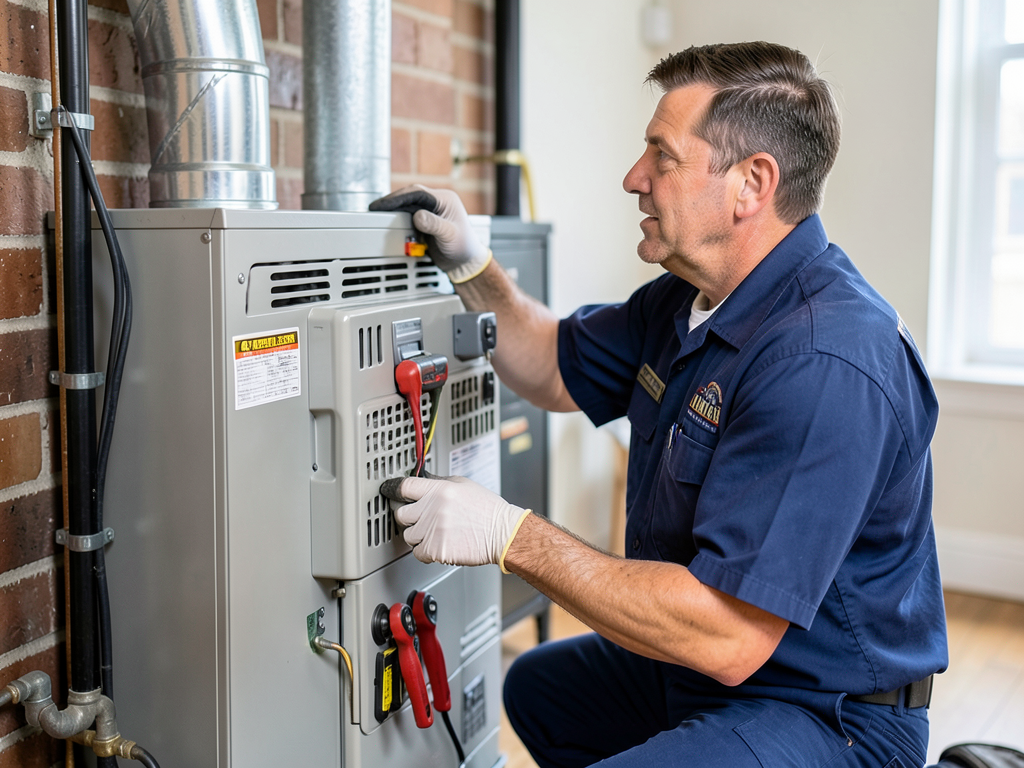
Professional technicians use multimeters to test capacitors, contactors, and control boards. They can identify failing components before they cause system failure. Testing requires knowledge of electrical safety procedures and understanding of HVAC control circuits.
Electrical issues often cause intermittent problems that are difficult to diagnose without proper testing equipment. A technician can perform comprehensive electrical diagnostics to identify failing components before they cause complete system failure.
Heat Exchanger Inspection
The heat exchanger in your furnace separates combustion gases from your home’s air. Cracks in this component can allow carbon monoxide to leak into your living space, creating a life-threatening hazard.
Professional technicians use specialized tools including combustion analyzers and infrared cameras to inspect heat exchangers for cracks, corrosion, or deterioration. They can detect problems that are invisible to the naked eye.
Massachusetts building code requires carbon monoxide detectors on every level of your home. However, these detectors only alert you after CO levels become dangerous. Professional inspection can identify heat exchanger problems before they create hazardous conditions. Mass Save Program.
Gas Valve and Burner Adjustment
Gas-fired furnaces require precise adjustment of gas pressure, burner alignment, and air-to-fuel ratios. Improper adjustment can create carbon monoxide, reduce efficiency, or cause dangerous flame rollout.
Professional technicians use combustion analyzers to measure CO levels, oxygen content, and stack temperature. They adjust gas valves and burners to ensure safe, efficient operation according to manufacturer specifications and local codes.
Massachusetts requires gas work to be performed by licensed plumbers or gas fitters. DIY gas work violates state law and can create explosion hazards. Always call a professional for any gas-related service.
System Performance Testing
Professional maintenance includes comprehensive system testing that homeowners cannot perform. This includes measuring temperature splits, checking airflow, testing static pressure, and evaluating overall system performance.
Technicians use specialized tools to measure superheat and subcooling in refrigerant systems, check capacitor performance under load, and test motor amperage draw. These measurements identify developing problems before they cause system failure.
Professional tune-ups typically include cleaning coils, lubricating motors, tightening electrical connections, and checking all safety controls. This comprehensive service ensures optimal performance and identifies potential issues early.
Boston Climate Considerations
Boston’s extreme seasonal temperature swings create unique challenges for HVAC systems. Understanding these local factors helps you maintain your equipment properly and recognize when professional service is needed.
Coastal properties in areas like Quincy and Chelsea face additional challenges from salt air corrosion. Salt mist can accumulate on outdoor coils and electrical components, accelerating deterioration. Professional cleaning and protective treatments can extend equipment life in these environments.
Boston’s freeze-thaw cycles affect outdoor unit stability. Concrete pads can shift, causing vibration and noise. Professional technicians can assess pad stability and recommend solutions like additional support or pad replacement.
High humidity during Boston summers promotes mold growth in condensate drain lines and evaporator coils. Professional cleaning and antimicrobial treatments can prevent these issues and improve indoor air quality.
Cost Analysis: DIY vs Professional Maintenance
Understanding the true cost of HVAC maintenance helps you make informed decisions about when to DIY and when to call a professional.
DIY maintenance costs include replacement filters ($10-30 each), basic cleaning supplies ($20-50 annually), and your time. These tasks typically save $100-200 annually compared to professional service.
Professional maintenance contracts in Boston typically cost $150-300 annually for basic service. Premium plans with twice-yearly visits and priority service range from $300-500 annually.
However, the cost of mistakes can far exceed maintenance savings. A single refrigerant leak repair can cost $300-800. Heat exchanger replacement ranges from $1,000-2,500. Complete system replacement due to neglect can cost $5,000-10,000.
Warranty protection represents another critical factor. Most manufacturers require professional maintenance to keep warranties valid. DIY maintenance that causes damage or fails to identify developing problems can void warranty coverage.
The Mass Save Advantage
Massachusetts residents can access significant rebates and incentives through the Mass Save program. However, many of these benefits require professional assessment and installation. Benefits of Inverter Technology.
Mass Save offers rebates for high-efficiency equipment, smart thermostats, and home energy assessments. Professional HVAC contractors can help you qualify for these programs and ensure proper installation for maximum rebate amounts.
Professional energy assessments through Mass Save identify opportunities for efficiency improvements that DIY maintenance cannot address. These assessments can reveal insulation issues, duct leakage, or equipment sizing problems affecting your energy bills.
Creating a Maintenance Schedule
Following a consistent maintenance schedule helps prevent problems and ensures optimal system performance. Here’s a recommended schedule for Boston homeowners:
- Monthly Tasks
Check and replace air filters, inspect outdoor unit for debris, listen for unusual noises, check thermostat operation.
- Seasonal Tasks
Clean condensate drain line before cooling season, clear vegetation around outdoor unit, check carbon monoxide detector batteries.
- Annual Professional Service
Schedule professional maintenance before peak heating or cooling season. Include comprehensive inspection, cleaning, and performance testing.
- Emergency Response
Call professional immediately for gas odors, burning smells, unusual noises, or system failure. Never attempt DIY repairs on these issues.
When to Call a Professional Immediately
Certain situations demand immediate professional attention. Never attempt DIY repairs in these circumstances:
- Gas odors or suspected gas leaks
- Burning electrical smells or smoke
- Carbon monoxide detector alarms
- Complete system failure during extreme weather
- Water leaks causing property damage
- Refrigerant leaks (hissing sounds, ice on coils)
- Electrical issues (tripped breakers, sparking)
These situations can create immediate safety hazards or cause extensive property damage if not addressed promptly by qualified technicians.
Protecting Your Investment
Your HVAC system represents a significant investment in your home’s comfort and value. Proper maintenance protects this investment and ensures reliable operation when you need it most.
Boston’s climate demands reliable heating during frigid winters and effective cooling during humid summers. System failure during extreme weather can create dangerous conditions and expensive emergency repair costs.
Professional maintenance provides documentation of proper care, which can be valuable for warranty claims, home sales, or insurance purposes. This documentation proves you’ve maintained your system according to manufacturer requirements.
Understanding the balance between DIY maintenance and professional service helps you maximize system efficiency while protecting your safety and warranty coverage. When in doubt about any maintenance task, err on the side of caution and call a licensed professional.
Call (617) 758-1599 today to schedule your professional HVAC maintenance and ensure your system is ready for Boston’s demanding seasons.
Frequently Asked Questions
What HVAC maintenance can I safely do myself?
You can safely replace air filters, clear debris from outdoor units, clean condensate drain lines with vinegar solution, check thermostat batteries, and perform visual inspections for obvious issues. These tasks require no special tools or training.
How often should I change my HVAC filter in Boston?
Check filters monthly during peak heating and cooling seasons. Replace every 1-3 months depending on filter type, household conditions, and manufacturer recommendations. Homes with pets or allergies may need more frequent replacement.
Can DIY HVAC maintenance void my warranty?
Yes, certain DIY actions can void warranties. Most manufacturers require professional maintenance to keep warranties valid. Additionally, DIY repairs that cause damage or fail to identify developing problems may void coverage for those specific issues.
When should I call a professional immediately?
Call immediately for gas odors, burning smells, carbon monoxide alarms, complete system failure during extreme weather, water leaks causing damage, refrigerant leaks, or any electrical issues like tripped breakers or sparking.
How much does professional HVAC maintenance cost in Boston?
Basic professional maintenance typically costs $150-300 annually. Premium plans with twice-yearly visits and priority service range from $300-500 annually. Emergency service calls during off-hours cost more.
What are signs my HVAC system needs professional service?
Signs include unusual noises, reduced heating or cooling capacity, longer run times, ice formation on coils, water leaks, burning smells, and higher than normal energy bills. Any of these warrant professional inspection.
{
“@context”: “https://schema.org”,
“@type”: “BlogPosting”,
“headline”: “HVAC Maintenance Tasks You Can Safely Do Yourself (And When You Absolutely Need a Pro)”,
“description”: “Learn which HVAC maintenance tasks are safe for Boston homeowners to DIY and which require a licensed pro. Protect your system, warranty, and safety.”,
“wordCount”: 2224,
“datePublished”: “2026-06-06T11:52:00.000Z”,
“dateModified”: “2026-06-06T11:52:00.000Z”,
“inLanguage”: “en-US”,
“mainEntityOfPage”: {
“@type”: “WebPage”,
“@id”: “https://titanhvacboston.com”
},
“publisher”: {
“@type”: “LocalBusiness”,
“name”: “Titan HVAC Boston”,
“url”: “https://titanhvacboston.com”
},
“author”: {
“@type”: “Organization”,
“name”: “Titan HVAC Boston”,
“url”: “https://titanhvacboston.com”
},
“image”: {
“@type”: “ImageObject”,
“url”: “https://titanhvacboston.com/wp-content/uploads/2026/03/hvac-maintenance-tasks-you-can-safely-do-yourself-1.png”
}
}
{
“@context”: “https://schema.org”,
“@type”: “HVACBusiness”,
“name”: “Titan HVAC Boston”,
“url”: “https://titanhvacboston.com”,
“address”: {
“@type”: “PostalAddress”,
“addressLocality”: “Boston”
},
“areaServed”: {
“@type”: “City”,
“name”: “Boston”
}
}
{
“@context”: “https://schema.org”,
“@type”: “FAQPage”,
“mainEntity”: [
{
“@type”: “Question”,
“name”: “What HVAC maintenance can I safely do myself?”,
“acceptedAnswer”: {
“@type”: “Answer”,
“text”: “You can safely replace air filters, clear debris from outdoor units, clean condensate drain lines with vinegar solution, check thermostat batteries, and perform visual inspections for obvious issues. These tasks require no special tools or training.”
}
},
{
“@type”: “Question”,
“name”: “How often should I change my HVAC filter in Boston?”,
“acceptedAnswer”: {
“@type”: “Answer”,
“text”: “Check filters monthly during peak heating and cooling seasons. Replace every 1-3 months depending on filter type, household conditions, and manufacturer recommendations. Homes with pets or allergies may need more frequent replacement.”
}
},
{
“@type”: “Question”,
“name”: “Can DIY HVAC maintenance void my warranty?”,
“acceptedAnswer”: {
“@type”: “Answer”,
“text”: “Yes, certain DIY actions can void warranties. Most manufacturers require professional maintenance to keep warranties valid. Additionally, DIY repairs that cause damage or fail to identify developing problems may void coverage for those specific issues.”
}
},
{
“@type”: “Question”,
“name”: “When should I call a professional immediately?”,
“acceptedAnswer”: {
“@type”: “Answer”,
“text”: “Call immediately for gas odors, burning smells, carbon monoxide alarms, complete system failure during extreme weather, water leaks causing damage, refrigerant leaks, or any electrical issues like tripped breakers or sparking.”
}
},
{
“@type”: “Question”,
“name”: “How much does professional HVAC maintenance cost in Boston?”,
“acceptedAnswer”: {
“@type”: “Answer”,
“text”: “Basic professional maintenance typically costs $150-300 annually. Premium plans with twice-yearly visits and priority service range from $300-500 annually. Emergency service calls during off-hours cost more.”
}
},
{
“@type”: “Question”,
“name”: “What are signs my HVAC system needs professional service?”,
“acceptedAnswer”: {
“@type”: “Answer”,
“text”: “Signs include unusual noises, reduced heating or cooling capacity, longer run times, ice formation on coils, water leaks, burning smells, and higher than normal energy bills. Any of these warrant professional inspection.”
}
}
]
}
{
“@context”: “https://schema.org”,
“@type”: “HowTo”,
“name”: “HVAC Maintenance Schedule”,
“step”: [
{
“@type”: “HowToStep”,
“position”: 1,
“name”: “Monthly Tasks”,
“text”: “Check and replace air filters, inspect outdoor unit for debris, listen for unusual noises, check thermostat operation.”
},
{
“@type”: “HowToStep”,
“position”: 2,
“name”: “Seasonal Tasks”,
“text”: “Clean condensate drain line before cooling season, clear vegetation around outdoor unit, check carbon monoxide detector batteries.”
},
{
“@type”: “HowToStep”,
“position”: 3,
“name”: “Annual Professional Service”,
“text”: “Schedule professional maintenance before peak heating or cooling season. Include comprehensive inspection, cleaning, and performance testing.”
},
{
“@type”: “HowToStep”,
“position”: 4,
“name”: “Emergency Response”,
“text”: “Call professional immediately for gas odors, burning smells, unusual noises, or system failure. Never attempt DIY repairs on these issues.”
}
],
“image”: “https://titanhvacboston.com/wp-content/uploads/2026/03/hvac-maintenance-tasks-you-can-safely-do-yourself-1.png”
}
{
“@context”: “https://schema.org”,
“@type”: “BreadcrumbList”,
“itemListElement”: [
{
“@type”: “ListItem”,
“position”: 1,
“name”: “Home”,
“item”: “https://titanhvacboston.com”
},
{
“@type”: “ListItem”,
“position”: 2,
“name”: “Blog”,
“item”: “https://titanhvacboston.com/blog”
},
{
“@type”: “ListItem”,
“position”: 3,
“name”: “HVAC Maintenance Tasks You Can Safely Do Yourself (And When You Absolutely Need a Pro)”
}
]
}
{
“@context”: “https://schema.org”,
“@type”: “Service”,
“serviceType”: “HVAC”,
“provider”: {
“@type”: “LocalBusiness”,
“name”: “Titan HVAC Boston”,
“url”: “https://titanhvacboston.com”
},
“areaServed”: {
“@type”: “City”,
“name”: “Boston”
},
“description”: “Learn which HVAC maintenance tasks are safe for Boston homeowners to DIY and which require a licensed pro. Protect your system, warranty, and safety.”
}