
How to Stop Mice and Pests from Nesting in Your Hyde Park Ductwork
Hearing scratching sounds in your walls when the heat kicks on? Smelling a foul odor from your vents? You might have mice nesting in your ductwork. In Hyde Park’s older homes and tree-lined neighborhoods, rodents often find easy entry through gaps in foundations, siding, or roof vents. Once inside, they chew through flexible ducts, leave droppings, and create serious health hazards. This guide shows you how to identify the problem, remove pests safely, and seal your system to keep them out for good.
Signs of Mice in Your Hyde Park Ductwork
Rodents leave clear warning signs once they settle into your HVAC system. You might hear light scratching or skittering noises behind walls when the system runs. A strong ammonia-like smell often comes from urine buildup in the ducts. You may also find small droppings near floor vents or chewed air filters. In some cases, you will notice reduced airflow because mice have torn or blocked sections of flex duct. These signs mean you need immediate action to protect your home and family.
Health and Safety Risks of Rodent Infestations
Mice in your ductwork pose more than just a nuisance. Their droppings and urine can carry Hantavirus, Salmonella, and Leptospirosis. When your HVAC system runs, it can spread these particles through the air you breathe. Rodents also chew on wiring, creating a fire risk near your furnace. Damaged ducts leak conditioned air, reducing system efficiency and raising energy bills. In older Hyde Park homes with aging insulation, mice can burrow into fiberglass, contaminating it beyond cleaning. The EPA recommends professional remediation when rodent activity affects indoor air quality. EPA guidelines on indoor air quality.
Professional Removal and Remediation Process
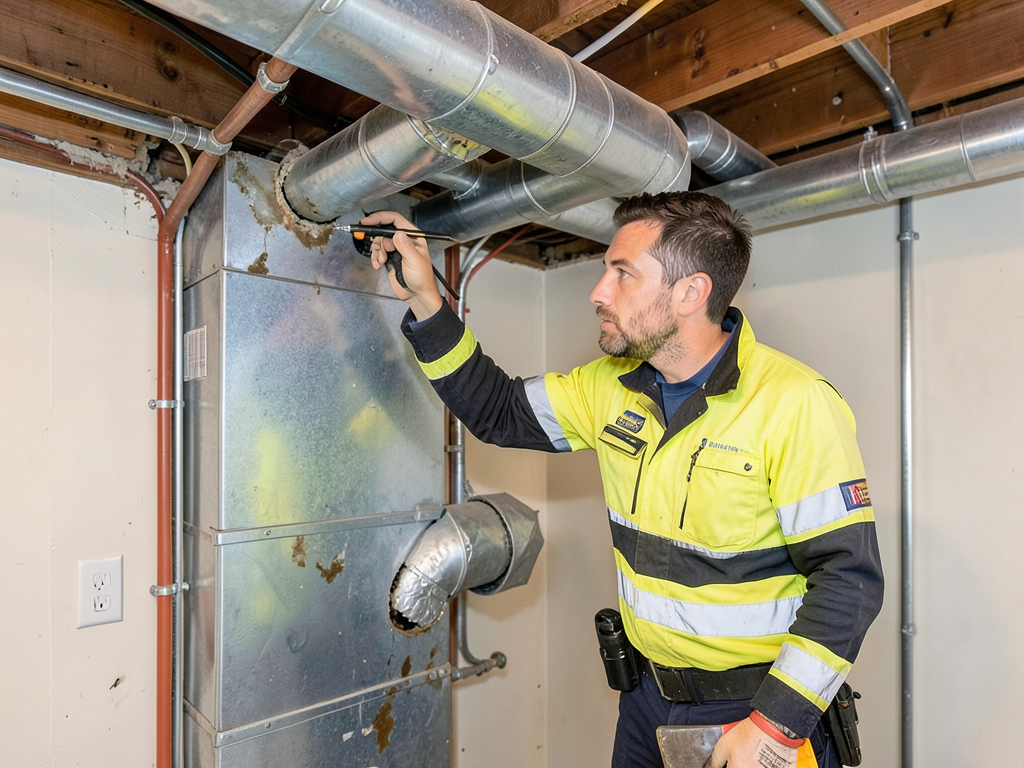
Removing mice from ductwork requires more than setting traps. A complete remediation follows these steps. First, a licensed HVAC technician inspects your system, mapping entry points and damage. Next, pest control coordinates humane removal and seals exterior gaps. Then, the HVAC team performs deep duct cleaning using HEPA-filtered vacuums to remove droppings and nesting debris. They apply EPA-approved antimicrobial treatments to kill bacteria and neutralize odors. Finally, they repair or replace damaged ducts and seal all joints with mastic to prevent re-entry. This process restores air quality and protects your system from future infestations.
Why Hyde Park Homes Are Vulnerable
Hyde Park’s mix of historic Colonials, Capes, and mid-century ranches creates ideal conditions for rodent entry. Many homes sit close to wooded areas along the Neponset River, giving mice easy access from outdoors. Older foundations often have cracks or gaps around utility lines. Vinyl or wood siding can separate at corners, leaving openings. Even newer homes may have poorly sealed roof vents or crawl space access. Boston’s cold winters drive rodents indoors by late fall, and they seek the warm airflow of your HVAC system. Without proper sealing, your ductwork becomes a protected nesting space. Upgrading Historic Back Bay Homes with Central Air (Without Ruining the Interior Walls).
DIY Prevention Tips for Homeowners
You can take steps to reduce rodent access before they enter your ducts. Start by inspecting your home’s exterior for gaps larger than a quarter-inch. Seal these with steel wool and caulk, or use metal flashing for larger holes. Keep tree branches trimmed at least six feet from your roof to limit climbing access. Store firewood and debris away from your foundation. Inside, replace missing vent covers and ensure all floor registers close tightly. Use snap traps near suspected entry points, but avoid poison inside your home. Poisoned rodents often die in walls, creating new odor problems.
Professional Sealing and Duct Repair
Sealing your ductwork properly requires specialized materials and techniques. HVAC technicians use mastic sealant, a thick paste that bonds to metal and flexible ducts, to close gaps and joints. They reinforce seams with high-quality foil-backed tape, never standard duct tape, which degrades quickly. For larger holes, they install metal patches or replace entire duct sections. Technicians also seal the air handler cabinet and secure any loose insulation. In Hyde Park’s older homes, they may need to work in tight crawl spaces or attic knee walls. Proper sealing improves airflow, reduces energy loss, and blocks rodent entry.
Sanitizing and Deodorizing After Infestation
Once mice are removed, your ducts need thorough cleaning to restore air quality. Professional teams use negative air machines to create suction, preventing contaminants from spreading. They vacuum all accessible duct surfaces with HEPA-filtered equipment. Then they apply EPA-registered biocides that kill bacteria, viruses, and mold spores. For severe contamination, they may fog the entire duct system with an antimicrobial mist. This process neutralizes odors and leaves your system safe. In Massachusetts, technicians must follow state guidelines for handling rodent waste, including proper disposal of contaminated materials.
Long-Term Rodent Prevention Strategies
Preventing future infestations means making your home less attractive to rodents year-round. Schedule annual HVAC inspections to catch early signs of entry or damage. Keep your yard tidy by removing leaf piles, overgrown shrubs, and food sources like birdseed. Check your foundation each fall for new cracks caused by freeze-thaw cycles common in New England. Consider installing vent screens with mesh smaller than a quarter-inch. Inside, use air purifiers with HEPA filters to capture any lingering particles. If you live near wooded areas in Hyde Park, these steps become even more important.
When to Call a Professional
You need professional help if you see extensive droppings, notice a strong odor, or hear persistent scratching sounds. Also call if your energy bills spike unexpectedly, which may indicate duct leaks from rodent damage. A licensed HVAC contractor can assess the full scope of contamination and recommend repairs. In Hyde Park, local companies understand the specific challenges of older New England homes and can coordinate with pest control for complete removal. Don’t wait until the problem spreads to your furnace or air handler. How to Get Fast Emergency Furnace Repair in Dorchester This Winter.
Protecting Your Home and Health
Mice in your ductwork create health risks, reduce HVAC efficiency, and cause costly damage. By acting quickly and following a professional remediation plan, you can restore clean air and prevent future infestations. Hyde Park homeowners should stay vigilant each fall when rodents seek indoor shelter. Regular maintenance and sealing keep your system running efficiently and your family safe. If you suspect a problem, don’t hesitate to call a local expert who understands the unique needs of Boston-area homes.
Frequently Asked Questions
How do I know if mice are in my air ducts?
Common signs include scratching noises when the HVAC runs, a strong ammonia smell from vents, visible droppings near registers, and reduced airflow from damaged ducts.
Can I clean rodent-infested ducts myself?
DIY cleaning risks spreading contaminants and missing hidden damage. Professional duct cleaning with HEPA filtration and EPA-approved sanitizers ensures safe removal and proper sealing.
How much does professional duct cleaning cost in Hyde Park?
Prices vary based on system size and contamination level. Most Hyde Park homeowners pay between $400 and $1,200 for complete rodent remediation and duct sealing.
How long does the remediation process take?
A typical job takes one to three days. This includes inspection, pest removal, cleaning, sanitizing, and sealing. Larger or more contaminated systems may require additional time.
Will my homeowner’s insurance cover rodent damage?
Most policies exclude rodent damage as a maintenance issue. However, some cover sudden damage from fires caused by chewed wiring. Check your specific policy or ask your agent.
Take Action Today
Don’t let mice compromise your home’s air quality and HVAC efficiency. If you hear scratching sounds or notice foul odors from your vents, call (617) 758-1599 today to schedule your inspection. Our Hyde Park team will identify entry points, remove pests, and restore your ductwork to like-new condition. Pick up the phone and call (617) 758-1599 before the next cold snap drives more rodents indoors. For more information, visit CDC information on Hantavirus.
{
“@context”: “https://schema.org”,
“@type”: “BlogPosting”,
“headline”: “How to Stop Mice and Pests from Nesting in Your Hyde Park Ductwork”,
“description”: “Protect your Hyde Park home from mice in ductwork. Learn how to spot rodent signs, remove pests safely, and seal ducts to prevent future infestations.”,
“wordCount”: 1325,
“datePublished”: “2026-05-25T08:26:00.000Z”,
“dateModified”: “2026-05-25T08:26:00.000Z”,
“inLanguage”: “en-US”,
“mainEntityOfPage”: {
“@type”: “WebPage”,
“@id”: “https://titanhvacboston.com”
},
“publisher”: {
“@type”: “LocalBusiness”,
“name”: “Titan HVAC Boston”,
“url”: “https://titanhvacboston.com”
},
“author”: {
“@type”: “Organization”,
“name”: “Titan HVAC Boston”,
“url”: “https://titanhvacboston.com”
},
“image”: {
“@type”: “ImageObject”,
“url”: “https://titanhvacboston.com/wp-content/uploads/2026/03/how-to-stop-mice-and-pests-from-nesting-in-your-hy-1.png”
}
}
{
“@context”: “https://schema.org”,
“@type”: “HVACBusiness”,
“name”: “Titan HVAC Boston”,
“url”: “https://titanhvacboston.com”,
“address”: {
“@type”: “PostalAddress”,
“addressLocality”: “Boston”
},
“areaServed”: {
“@type”: “City”,
“name”: “Boston”
}
}
{
“@context”: “https://schema.org”,
“@type”: “FAQPage”,
“mainEntity”: [
{
“@type”: “Question”,
“name”: “How do I know if mice are in my air ducts?”,
“acceptedAnswer”: {
“@type”: “Answer”,
“text”: “Common signs include scratching noises when the HVAC runs, a strong ammonia smell from vents, visible droppings near registers, and reduced airflow from damaged ducts.”
}
},
{
“@type”: “Question”,
“name”: “Can I clean rodent-infested ducts myself?”,
“acceptedAnswer”: {
“@type”: “Answer”,
“text”: “DIY cleaning risks spreading contaminants and missing hidden damage. Professional duct cleaning with HEPA filtration and EPA-approved sanitizers ensures safe removal and proper sealing.”
}
},
{
“@type”: “Question”,
“name”: “How much does professional duct cleaning cost in Hyde Park?”,
“acceptedAnswer”: {
“@type”: “Answer”,
“text”: “Prices vary based on system size and contamination level. Most Hyde Park homeowners pay between $400 and $1,200 for complete rodent remediation and duct sealing.”
}
},
{
“@type”: “Question”,
“name”: “How long does the remediation process take?”,
“acceptedAnswer”: {
“@type”: “Answer”,
“text”: “A typical job takes one to three days. This includes inspection, pest removal, cleaning, sanitizing, and sealing. Larger or more contaminated systems may require additional time.”
}
},
{
“@type”: “Question”,
“name”: “Will my homeowner’s insurance cover rodent damage?”,
“acceptedAnswer”: {
“@type”: “Answer”,
“text”: “Most policies exclude rodent damage as a maintenance issue. However, some cover sudden damage from fires caused by chewed wiring. Check your specific policy or ask your agent.”
}
}
]
}
{
“@context”: “https://schema.org”,
“@type”: “BreadcrumbList”,
“itemListElement”: [
{
“@type”: “ListItem”,
“position”: 1,
“name”: “Home”,
“item”: “https://titanhvacboston.com”
},
{
“@type”: “ListItem”,
“position”: 2,
“name”: “Blog”,
“item”: “https://titanhvacboston.com/blog”
},
{
“@type”: “ListItem”,
“position”: 3,
“name”: “How to Stop Mice and Pests from Nesting in Your Hyde Park Ductwork”
}
]
}
{
“@context”: “https://schema.org”,
“@type”: “Service”,
“serviceType”: “HVAC”,
“provider”: {
“@type”: “LocalBusiness”,
“name”: “Titan HVAC Boston”,
“url”: “https://titanhvacboston.com”
},
“areaServed”: {
“@type”: “City”,
“name”: “Boston”
},
“description”: “Protect your Hyde Park home from mice in ductwork. Learn how to spot rodent signs, remove pests safely, and seal ducts to prevent future infestations.”
}