
How to Keep Construction Dust Out of Your Mission Hill HVAC System During a Home Renovation
Construction dust can destroy your HVAC system’s efficiency and air quality if you don’t take the right precautions during a Mission Hill renovation. This guide covers Boston-specific strategies to protect your heating and cooling equipment from drywall dust, sawdust, and other airborne particles that can clog coils, damage motors, and reduce system performance by up to 30%. Finding the Right Ductless Mini Split for a Beacon Hill Brownstone.
Mission Hill’s historic brownstones and triple-deckers present unique challenges during renovations. The dense urban environment means construction dust travels easily between buildings, and many homes have older HVAC systems that are particularly vulnerable to contamination. Taking proper precautions before work begins can save you thousands in repairs and prevent health issues from poor indoor air quality. EPA Renovation Repair and Painting Program.
Understanding the Threat: Why Construction Dust Damages HVAC Systems
Construction dust isn’t just a nuisance. It’s a mechanical killer for your HVAC system. When drywall dust enters your system, it acts like microscopic sandpaper on fan blades and motor bearings. Sawdust can create fire hazards when it accumulates near electrical components. Silica dust from concrete cutting can permanently damage evaporator coils and reduce heat transfer efficiency.
The Massachusetts Department of Environmental Protection reports that construction-related air quality issues are among the top complaints in urban renovation projects. In Boston’s humid climate, dust particles absorb moisture and become sticky, creating a paste that’s even harder to remove from ductwork and components. Massachusetts Building Code.
Common construction dust types include:
- Drywall compound dust – extremely fine and abrasive
- Sawdust – flammable and prone to static buildup
- Silica dust – can cause permanent coil damage
- Lead paint particles – common in homes built before 1978
- Plaster dust – heavy and settles quickly in ductwork
Pre-Renovation HVAC Protection Strategy
Before any construction begins, your HVAC system needs a comprehensive shutdown and isolation protocol. The EPA recommends turning off all HVAC equipment during active construction to prevent dust circulation through your home.
Start by changing your air filter to a fresh MERV 11 or MERV 13 rated filter. These higher-rated filters capture smaller particles but may reduce airflow, so they’re best used during construction rather than as permanent replacements. Document your system’s current operating parameters so you can verify proper function after renovation.
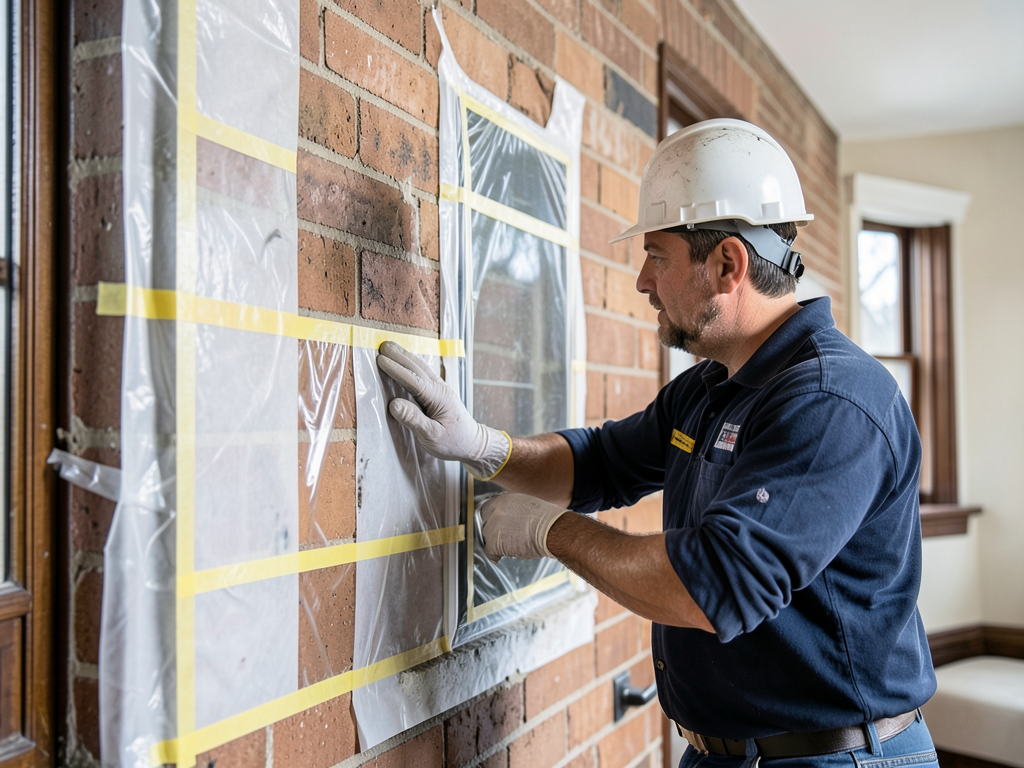
Seal all return air vents and supply registers with plastic sheeting and painter’s tape. Use 4-mil or thicker plastic to prevent tears. Create a negative pressure environment in construction zones using HEPA-filtered air scrubbers to contain dust at the source.
Zone Isolation for Historic Mission Hill Homes
Many Mission Hill brownstones have original ductwork that runs through party walls or shared basements. In these cases, you’ll need to work with neighbors to coordinate dust containment. The Boston Inspectional Services Department requires permits for any work that affects shared mechanical systems.
Install temporary barriers using 6-mil polyethylene sheeting and create sealed doorways with zipper doors. Use painter’s tape rather than duct tape on historic surfaces to prevent damage to woodwork or plaster. Document the location of all HVAC components before covering them for insurance purposes. Upgrading Historic Back Bay Homes with Central Air (Without Ruining the Interior Walls).
Daily Construction Site HVAC Maintenance
Even with proper pre-renovation preparation, daily maintenance is essential. Check plastic seals on vents every morning before work begins. Construction vibrations can loosen tape over time. Replace MERV 11/13 filters weekly during active construction – they’ll clog much faster than normal.
Never use your HVAC system as a dust collector. Some contractors mistakenly think running the system on fan-only mode will help filter dust, but this actually distributes it throughout your home and can overload your system. Keep the system completely off during active construction periods.
Vacuum construction areas daily using HEPA-filtered vacuums. Standard shop vacs simply redistribute fine particles into the air. Pay special attention to areas near return air vents where dust tends to accumulate.
Construction-Grade Filtration Strategies
Standard residential air filters aren’t designed for construction dust loads. During renovation, you need specialized filtration strategies. MERV 13 filters capture 90% of particles between 1-3 microns but may restrict airflow in older systems. MERV 11 filters offer a better balance of filtration and airflow for most Mission Hill homes.
Consider using temporary high-capacity pleated filters rated for construction sites. These filters have deeper pleats and can handle higher dust loads without restricting airflow as much as standard filters. Replace them every 3-5 days during heavy construction rather than the typical 30-90 day interval.
Electronic air cleaners can be effective but require professional installation and may not be compatible with older Mission Hill HVAC systems. The added static pressure from these units can actually reduce system efficiency if not properly sized. The Most Reliable Heat Pump Installation Teams in Cambridge.
Static Pressure Management During Construction
Static pressure is the resistance to airflow in your HVAC system. When you add high-efficiency filters or seal vents, you increase static pressure. Most Mission Hill homes have systems designed for specific static pressure ranges. Exceeding these ranges can cause blower motor failure and reduced heating/cooling capacity.
Monitor your system’s static pressure using a manometer if you have access to one. Normal residential systems operate at 0.5 inches of water column. During construction with high-efficiency filters, this can increase to 0.8-1.0 inches. If pressure exceeds 1.2 inches, you risk damaging your blower motor.
Post-Construction HVAC Recovery Protocol
After construction ends, your HVAC system needs a thorough recovery process. Start by removing all temporary seals and plastic sheeting. Replace the construction-grade filter with a standard MERV 8 filter for the first 24-48 hours to allow the system to gradually clear any remaining dust from the ductwork.
Schedule professional duct cleaning if your renovation involved significant dust-generating activities like drywall work or floor sanding. The National Air Duct Cleaners Association recommends cleaning after major renovations to remove accumulated dust and prevent it from circulating through your home.
Have your HVAC technician perform a post-construction tune-up. This should include checking blower motor amperage, cleaning evaporator coils if necessary, and verifying proper refrigerant charge. Construction vibrations can sometimes cause refrigerant line connections to loosen slightly.
Boston-Specific Considerations for Mission Hill Renovations
Mission Hill’s historic district status means many renovations require approval from the Boston Landmarks Commission. Any changes to HVAC systems in visible locations must maintain the historic character of the building. This often means keeping rooftop units out of sight or using mini-split systems that don’t require extensive ductwork.
Massachusetts building code Section 780 requires specific protections for HVAC systems during construction. Contractors must provide dust barriers and maintain negative pressure in work zones. Failure to comply can result in fines and stop-work orders from the Boston Inspectional Services Department.
The humid New England climate means construction dust often contains moisture, which accelerates corrosion in HVAC components. Pay special attention to condensate drain lines which can become clogged with plaster dust or sawdust, leading to water damage and mold growth.
Lead Paint and Asbestos Considerations
Many Mission Hill homes built before 1978 contain lead paint. Massachusetts law requires lead-safe renovation practices when disturbing more than 6 square feet of painted surfaces in pre-1978 homes. This includes specific dust containment and cleanup procedures that protect your HVAC system.
If your home was built before 1980, asbestos may be present in insulation, floor tiles, or pipe wrap. Disturbing these materials requires licensed abatement contractors who follow EPA regulations for dust containment. Your HVAC system must be completely isolated during asbestos work.
Contractor Management for HVAC Protection
Include specific HVAC protection clauses in your contractor agreement. Require daily dust containment checks, prohibit the use of HVAC systems as dust collection tools, and mandate immediate notification if any HVAC components are damaged during construction.
Request documentation of dust containment measures before work begins. This should include photos of sealed vents, negative air machine setup, and HEPA vacuum usage protocols. Many reputable Boston contractors already include these protections as standard practice.
Consider hiring an independent HVAC inspector to verify system integrity before and after renovation. This third-party verification can be valuable if dust damage occurs and you need to file an insurance claim or pursue contractor remediation.
Cost-Benefit Analysis of HVAC Protection
Investing in proper HVAC protection during renovation costs between $200-$800 depending on your home’s size and the scope of work. This compares to $2,000-$5,000 for repairing a dust-damaged HVAC system, not including the cost of reduced efficiency and higher utility bills for months afterward.
Consider the value of your indoor air quality as well. Construction dust can circulate through your home for months after renovation if not properly contained. This can trigger allergies, asthma, and other respiratory issues, particularly in Mission Hill’s older housing stock where air sealing may be less than perfect.
Insurance may cover some HVAC damage if you can prove it resulted from contractor negligence, but the claims process can take months. Prevention is always faster and less stressful than remediation.
Emergency Response: What to Do If Dust Enters Your System
If you discover that construction dust has entered your HVAC system despite precautions, act quickly. Turn off the system immediately to prevent further circulation. Document the damage with photos and videos. Contact your contractor and HVAC professional right away.
Change all air filters immediately, even if they’re new. Construction dust can overload filters in hours rather than weeks. Consider having your ducts professionally cleaned if you notice visible dust buildup or reduced airflow.
Monitor your system for unusual noises, reduced heating or cooling capacity, or increased energy bills. These can indicate dust-related damage to motors or coils that may require professional repair.
Seasonal Considerations for Boston Renovations
Summer renovations in Boston present different challenges than winter projects. High humidity means construction dust absorbs moisture and becomes more adhesive. Air conditioning systems running during summer construction can actually draw dust into the system through negative pressure effects.
Winter renovations require freeze protection for any exposed pipes or components. Boston’s cold temperatures can cause condensation on cold metal surfaces, which then mixes with construction dust to form a corrosive paste. Use temporary insulation on exposed HVAC components during winter work.
Spring and fall offer the best conditions for HVAC protection during renovation. Moderate temperatures mean you can keep the system off without sacrificing comfort, and lower humidity reduces the adhesive properties of construction dust.
Long-Term Benefits of Proper HVAC Protection
Protecting your HVAC system during renovation extends its lifespan by 3-5 years on average. Clean systems operate more efficiently, reducing your energy bills by 10-15% compared to dust-compromised equipment. You’ll also enjoy better indoor air quality immediately after moving back in.
Proper protection maintains your system’s warranty coverage. Many manufacturers void warranties if they determine dust damage occurred due to lack of proper maintenance or protection during construction.
Finally, protecting your HVAC system preserves your home’s value. A well-maintained heating and cooling system is a major selling point for Mission Hill’s historic properties, where buyers often worry about the cost of replacing aging mechanical systems.
Frequently Asked Questions
How long should I keep my HVAC system off during construction?
Keep your system completely off during all active construction periods. This includes drywall sanding, floor sanding, painting, and any work that generates airborne particles. You can run the system during non-construction hours if needed for comfort, but change filters immediately afterward.
Can I use my HVAC system to help filter construction dust?
No. Running your HVAC system during construction actually distributes dust throughout your home and can overload your system. The increased static pressure from construction-grade filters can also damage blower motors. Keep the system off and use HEPA air scrubbers for dust control instead.
What type of filter should I use during renovation?
Use MERV 11 or MERV 13 filters during construction. These capture smaller particles than standard MERV 8 filters but may reduce airflow. Replace them every 3-5 days during heavy construction rather than the normal 30-90 day interval. Consider temporary high-capacity pleated filters for maximum protection.
How do I know if construction dust damaged my HVAC system?
Signs of dust damage include reduced airflow, unusual noises from the blower motor, higher than normal energy bills, and visible dust buildup on coils or around vents. If you notice any of these issues after renovation, have your system inspected by a professional HVAC technician.
Is professional duct cleaning necessary after renovation?
Professional duct cleaning is recommended after major renovations involving drywall work, floor sanding, or other high-dust activities. The National Air Duct Cleaners Association suggests cleaning to remove accumulated dust that could circulate through your home for months after construction ends.
Take Action Now to Protect Your Investment
Construction dust can silently destroy your HVAC system’s efficiency and air quality. Don’t wait until you notice reduced performance or higher energy bills. Call (617) 758-1599 today to schedule a pre-renovation HVAC protection consultation. Our Boston-based technicians understand the unique challenges of Mission Hill’s historic homes and can help you implement the right protection strategy before your next renovation project begins.
Pick up the phone and call (617) 758-1599 before the next storm hits. Your HVAC system protects your home’s comfort year-round – make sure it’s protected during your renovation too.
Quick Reference Checklist for HVAC Protection During Renovation
□ Change to MERV 11/13 filter before construction begins
□ Seal all vents with 4-mil plastic and painter’s tape
□ Document system parameters and component locations
□ Create negative pressure in construction zones
□ Keep HVAC system completely off during active work
□ Replace filters every 3-5 days during heavy construction
□ Schedule post-construction duct cleaning if needed
□ Have technician perform post-renovation tune-up
{
“@context”: “https://schema.org”,
“@type”: “BlogPosting”,
“headline”: “How to Keep Construction Dust Out of Your Mission Hill HVAC System During a Home Renovation”,
“description”: “Protect your Mission Hill HVAC from construction dust during renovations. Learn Boston-specific strategies to prevent costly damage and maintain air quality in your historic home.”,
“wordCount”: 2283,
“datePublished”: “2026-05-06T07:00:00.000Z”,
“dateModified”: “2026-05-06T07:00:00.000Z”,
“inLanguage”: “en-US”,
“mainEntityOfPage”: {
“@type”: “WebPage”,
“@id”: “https://titanhvacboston.com”
},
“publisher”: {
“@type”: “LocalBusiness”,
“name”: “Titan HVAC Boston”,
“url”: “https://titanhvacboston.com”
},
“author”: {
“@type”: “Organization”,
“name”: “Titan HVAC Boston”,
“url”: “https://titanhvacboston.com”
},
“image”: {
“@type”: “ImageObject”,
“url”: “https://titanhvacboston.com/wp-content/uploads/2026/03/how-to-keep-construction-dust-out-of-your-mission-1.png”
}
}
{
“@context”: “https://schema.org”,
“@type”: “HVACBusiness”,
“name”: “Titan HVAC Boston”,
“url”: “https://titanhvacboston.com”,
“address”: {
“@type”: “PostalAddress”,
“addressLocality”: “Boston”
},
“areaServed”: {
“@type”: “City”,
“name”: “Boston”
}
}
{
“@context”: “https://schema.org”,
“@type”: “FAQPage”,
“mainEntity”: [
{
“@type”: “Question”,
“name”: “How long should I keep my HVAC system off during construction?”,
“acceptedAnswer”: {
“@type”: “Answer”,
“text”: “Keep your system completely off during all active construction periods. This includes drywall sanding, floor sanding, painting, and any work that generates airborne particles. You can run the system during non-construction hours if needed for comfort, but change filters immediately afterward.”
}
},
{
“@type”: “Question”,
“name”: “Can I use my HVAC system to help filter construction dust?”,
“acceptedAnswer”: {
“@type”: “Answer”,
“text”: “No. Running your HVAC system during construction actually distributes dust throughout your home and can overload your system. The increased static pressure from construction-grade filters can also damage blower motors. Keep the system off and use HEPA air scrubbers for dust control instead.”
}
},
{
“@type”: “Question”,
“name”: “What type of filter should I use during renovation?”,
“acceptedAnswer”: {
“@type”: “Answer”,
“text”: “Use MERV 11 or MERV 13 filters during construction. These capture smaller particles than standard MERV 8 filters but may reduce airflow. Replace them every 3-5 days during heavy construction rather than the normal 30-90 day interval. Consider temporary high-capacity pleated filters for maximum protection.”
}
},
{
“@type”: “Question”,
“name”: “How do I know if construction dust damaged my HVAC system?”,
“acceptedAnswer”: {
“@type”: “Answer”,
“text”: “Signs of dust damage include reduced airflow, unusual noises from the blower motor, higher than normal energy bills, and visible dust buildup on coils or around vents. If you notice any of these issues after renovation, have your system inspected by a professional HVAC technician.”
}
},
{
“@type”: “Question”,
“name”: “Is professional duct cleaning necessary after renovation?”,
“acceptedAnswer”: {
“@type”: “Answer”,
“text”: “Professional duct cleaning is recommended after major renovations involving drywall work, floor sanding, or other high-dust activities. The National Air Duct Cleaners Association suggests cleaning to remove accumulated dust that could circulate through your home for months after construction ends.”
}
}
]
}
{
“@context”: “https://schema.org”,
“@type”: “BreadcrumbList”,
“itemListElement”: [
{
“@type”: “ListItem”,
“position”: 1,
“name”: “Home”,
“item”: “https://titanhvacboston.com”
},
{
“@type”: “ListItem”,
“position”: 2,
“name”: “Blog”,
“item”: “https://titanhvacboston.com/blog”
},
{
“@type”: “ListItem”,
“position”: 3,
“name”: “How to Keep Construction Dust Out of Your Mission Hill HVAC System During a Home Renovation”
}
]
}
{
“@context”: “https://schema.org”,
“@type”: “Service”,
“serviceType”: “HVAC”,
“provider”: {
“@type”: “LocalBusiness”,
“name”: “Titan HVAC Boston”,
“url”: “https://titanhvacboston.com”
},
“areaServed”: {
“@type”: “City”,
“name”: “Boston”
},
“description”: “Protect your Mission Hill HVAC from construction dust during renovations. Learn Boston-specific strategies to prevent costly damage and maintain air quality in your historic home.”
}