
How to Tell if Your Old Boston Boiler is Leaking Carbon Monoxide
Your old Boston boiler could be silently leaking carbon monoxide into your home. This odorless colorless gas can cause serious illness or death before you even realize there’s a problem. If you notice yellow flames soot marks or flu-like symptoms when your heat is running you need to act immediately.
Carbon monoxide poisoning kills dozens of people each year in Massachusetts often from aging heating systems in homes just like yours. The good news is that with the right knowledge and safety measures you can protect your family and keep your home safe this winter. Massachusetts carbon monoxide alarm requirements.
Physical Symptoms of Carbon Monoxide Poisoning
Carbon monoxide prevents your blood from carrying oxygen to your brain and organs. Early symptoms feel like the flu but without a fever. You might experience headaches that worsen when you’re home and improve when you leave. Dizziness nausea and confusion are common warning signs.
People often mistake these symptoms for seasonal illness especially during Boston’s long heating season. The key difference is that CO symptoms affect everyone in the home simultaneously not just one person. Pets often show signs first since they’re smaller and more sensitive to the gas.
Severe exposure leads to vomiting chest pain and loss of coordination. If multiple family members feel sick only when the heat is running evacuate immediately and call 911. Don’t wait for symptoms to worsen.
Warning Signs from Your Boiler
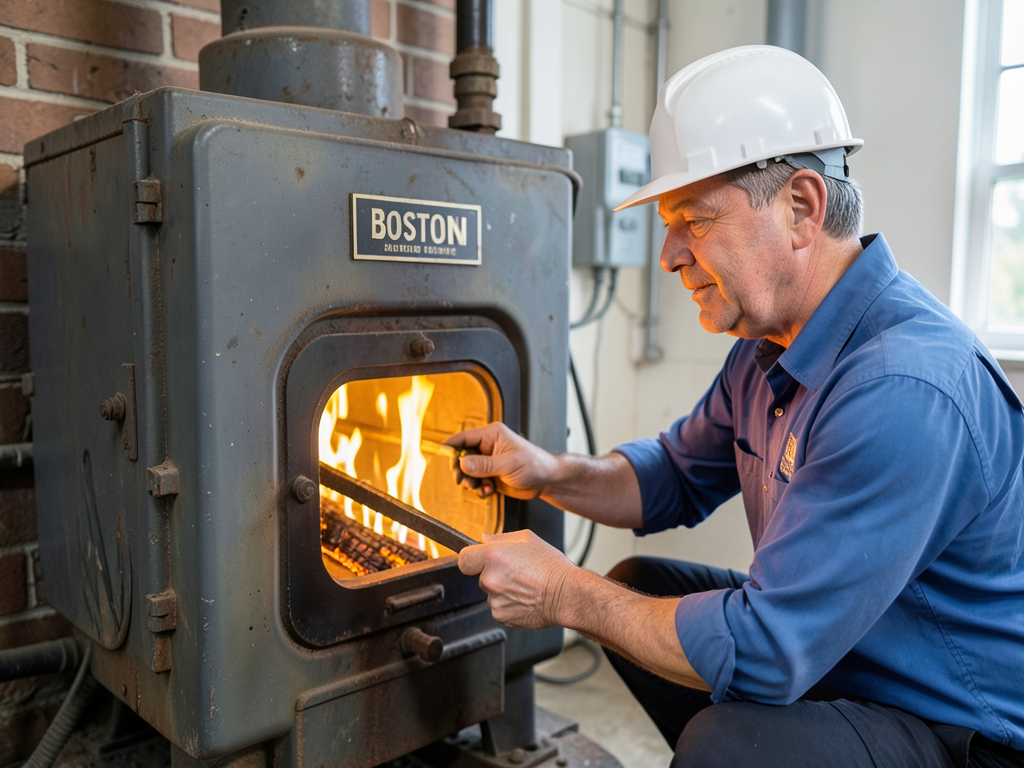
Your boiler itself shows clear warning signs when it’s not burning fuel properly. The most obvious is flame color. A healthy gas flame burns bright blue. If you see yellow orange or flickering flames your boiler isn’t getting enough oxygen for complete combustion. Finding the Right Ductless Mini Split for a Beacon Hill Brownstone.
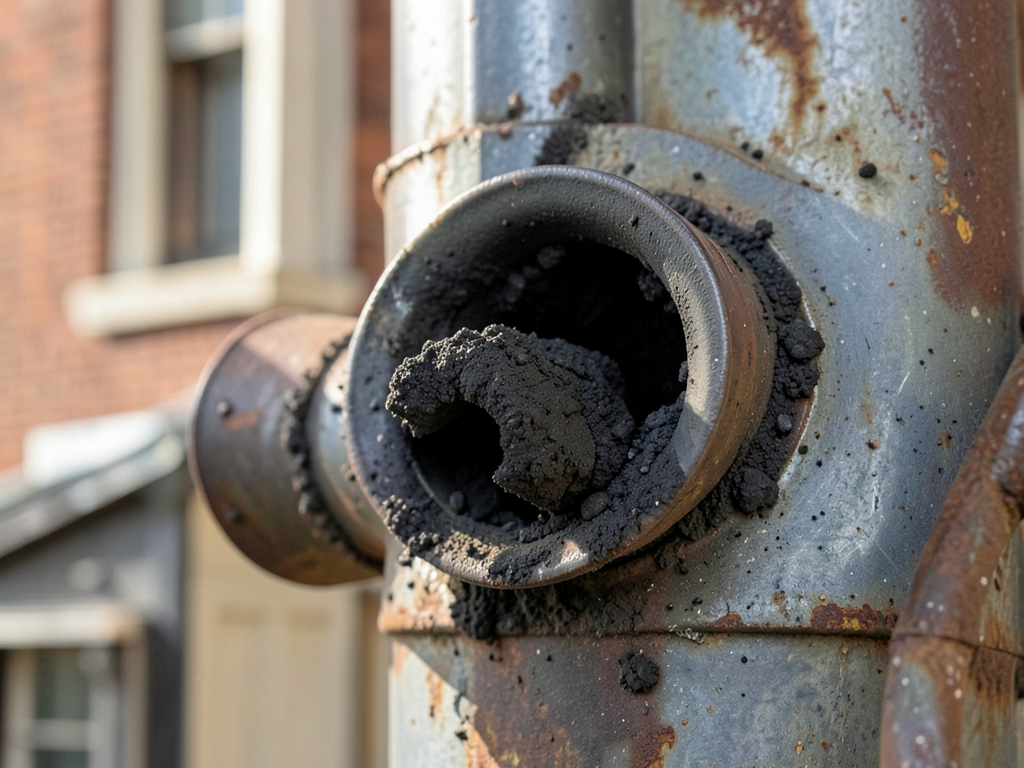
Soot marks around the boiler or on walls near vents indicate incomplete burning. This black residue means your system is producing carbon monoxide instead of just heat and water vapor. Excessive condensation on windows or walls near the boiler can also signal venting problems.
Listen for unusual sounds. A banging popping or whistling noise from your boiler could mean delayed ignition or pressure problems. These issues can cause the heat exchanger to crack creating a direct path for CO to enter your living space.
Check the pilot light if your boiler has one. It should burn steadily with a strong blue flame. A weak yellow or frequently going-out pilot light needs immediate professional attention.
Common Causes in Boston Homes
Boston’s aging housing stock creates unique challenges for boiler safety. Many homes in neighborhoods like Dorchester Jamaica Plain and South Boston still use boilers installed decades ago. These older systems weren’t built to today’s efficiency and safety standards.
Cracked heat exchangers are the most common source of CO leaks in older boilers. The constant expansion and contraction from heating cycles eventually causes metal fatigue. A hairline crack can release enough CO to make your family sick.
Blocked chimneys and flues are especially problematic in Boston’s historic homes. Debris bird nests or deteriorated masonry can prevent proper venting. Without a clear path to exhaust deadly gases back up into your living space. Upgrading Historic Back Bay Homes with Central Air (Without Ruining the Interior Walls).
Poor ventilation in tightly sealed modern homes can create negative pressure that pulls CO back into the house. This backdrafting happens when exhaust fans or clothes dryers compete with your boiler for air.
Massachusetts winters put extra stress on heating systems. When temperatures plummet boilers work harder and longer increasing the risk of component failure. The freeze-thaw cycles common in Boston can also damage outdoor venting components. Mass Save rebates for high-efficiency boilers.
Prevention and Maintenance
Annual professional maintenance is your best defense against CO leaks. A qualified technician should inspect your boiler every fall before heating season begins. They’ll check the heat exchanger test combustion efficiency and ensure all safety controls work properly.
Carbon monoxide detectors are legally required in Massachusetts homes. Nicole’s Law mandates CO alarms on every floor and within ten feet of sleeping areas. Test your detectors monthly and replace batteries twice yearly. Most CO detectors expire after 5-7 years and need replacement.
Proper detector placement matters. Install alarms at knee height since CO mixes evenly with air. Avoid placing them near windows doors or humid areas like bathrooms where false alarms are common.
Keep vents and chimneys clear of debris. After storms check that snow and ice haven’t blocked outdoor vents. Never store anything combustible near your boiler and ensure the area stays clean and dry.
Consider upgrading if your boiler is over 20 years old. Modern high-efficiency boilers have sealed combustion chambers and multiple safety features that dramatically reduce CO risk. Mass Save offers rebates that can offset replacement costs.
Boston Local Resources
If you suspect a CO leak evacuate immediately and call 911. Boston Fire Department responds to CO emergencies 24/7 and can test your home for dangerous gas levels. Don’t re-enter until emergency responders declare it safe. How to Get Fast Emergency Furnace Repair in Dorchester This Winter.
For non-emergency concerns contact National Grid at 1-800-233-5325 to report potential gas leaks or CO issues. They offer free safety inspections and can shut off service if needed.
The Massachusetts Department of Fire Services provides CO safety information and can connect you with local fire departments for alarm testing. Many Boston-area fire stations offer free battery replacement for elderly or disabled residents.
Eversource Energy serves parts of Greater Boston and also responds to gas emergencies. Know which utility serves your area and keep their emergency number handy.
Local HVAC contractors certified by North American Technician Excellence (NATE) have the training to diagnose and repair CO-producing problems. Always verify licensing and insurance before allowing any work on your heating system. North American Technician Excellence certification.
Carbon Monoxide Detector Placement and Maintenance
Proper detector placement can mean the difference between life and death. Install CO alarms on every level of your home including the basement. Place them near sleeping areas so the alarm will wake you if levels rise at night.
Don’t install detectors directly above fuel-burning appliances since they might trigger false alarms from normal operation. Keep them at least 15 feet away from cooking appliances and humid areas.
Test your detectors monthly by pressing the test button. Replace batteries every six months when you change your clocks for daylight saving time. Most modern detectors have end-of-life signals that chirp when replacement is needed.
CO detectors don’t last forever. The sensors degrade over time typically lasting 5-7 years. Some newer models have sealed 10-year batteries that eliminate the need for replacement. Check the manufacturing date on your detector and replace it when it expires.
Digital display models show CO levels in parts per million letting you see if levels are rising before they become dangerous. This feature is especially valuable for homes with elderly residents or young children who are more vulnerable to CO effects.
Difference Between CO Poisoning and Common Flu
Carbon monoxide symptoms closely mimic influenza making diagnosis tricky. Both cause headaches dizziness nausea and fatigue. However CO poisoning has distinct patterns that can help you identify the real cause.
CO symptoms improve when you leave the house and return when you come back. Flu symptoms persist regardless of location. If everyone in your household feels better after spending time away from home suspect CO rather than a virus.
CO affects pets before humans since they’re smaller. If your dog or cat seems lethargic disoriented or loses appetite while you feel fine it could be early CO exposure.
Unlike the flu CO poisoning doesn’t cause fever or swollen lymph nodes. If you have respiratory symptoms without fever especially during heating season consider CO as a possibility.
CO symptoms typically affect multiple people simultaneously. The flu usually spreads gradually with one person getting sick and others following days later. Simultaneous illness in all household members suggests a common environmental cause.
Emergency Response Steps
If your CO detector sounds or you suspect a leak follow these steps immediately. Get everyone out of the house including pets. Don’t stop to open windows or investigate the source.
Call 911 from outside your home or a neighbor’s house. Boston emergency responders have equipment to detect CO levels and can determine if your home is safe to re-enter.
Don’t assume the alarm is false. CO can’t be detected by human senses and exposure can be fatal within hours. Even low-level exposure over time can cause lasting health problems.
Once outside check if anyone has symptoms of CO poisoning. Tell emergency responders if people feel ill as this helps them prioritize medical treatment.
Don’t turn any appliances back on or re-enter the building until it’s been inspected and cleared by professionals. The source of the leak needs to be identified and repaired before it’s safe to use your heating system again.
Annual Boiler Inspection Checklist
A thorough annual inspection should include these critical checks. The heat exchanger needs examination for cracks corrosion or deterioration. Even small cracks can release dangerous amounts of CO.
Combustion analysis tests the efficiency of your boiler’s burn. The technician measures carbon monoxide in the flue gases and adjusts the air-fuel mixture for optimal performance. This test identifies problems before they become dangerous.
Safety controls should be tested including the low water cutoff pressure relief valve and temperature limit switches. These devices prevent dangerous pressure buildup and overheating.
Venting systems need inspection for blockages corrosion or damage. The chimney should be checked for proper draft and all connections should be sealed and secure.
Gas pressure and manifold pressure should be checked to ensure your boiler is getting the correct fuel supply. Incorrect pressure can cause incomplete combustion and CO production.
Electrical components including the ignition system flame sensor and control board should be tested. Faulty electronics can prevent proper burner operation and create safety hazards.
Upgrading Your Old Boiler
If your boiler is over 20 years old replacement might be the safest option. Modern high-efficiency boilers have sealed combustion chambers that prevent CO from entering your home even if problems develop.
New condensing boilers achieve efficiency ratings above 90% compared to 60-70% for older models. This means less fuel consumption and lower utility bills. The improved efficiency also means less stress on components extending system life.
Modulating burners in new boilers adjust their output to match your home’s heating needs. This prevents the short-cycling that stresses older boilers and can lead to premature failure.
Sealed combustion systems draw air directly from outside rather than using indoor air. This eliminates the risk of backdrafting and ensures consistent combustion regardless of indoor air pressure changes.
Mass Save offers rebates up to $3000 for high-efficiency boiler replacements. Combined with utility savings these incentives can make upgrading more affordable than continuing to repair an aging system.
Frequently Asked Questions
How often should I replace my carbon monoxide detector?
Most CO detectors need replacement every 5-7 years. Check the manufacturing date on the back of your unit. Some newer models have 10-year sealed batteries and sensors that last the entire life of the device.
What does it mean if my CO detector shows a reading above zero?
Small readings (1-5 ppm) can occur from normal background levels or nearby traffic. Readings above 30 ppm indicate a potential problem. If levels rise above 70 ppm evacuate immediately and call emergency services.
Can I test my CO detector with car exhaust or a candle?
No. These methods can damage your detector or create dangerous situations. Use the built-in test button instead. If you want to verify operation use a CO test kit designed for this purpose.
Should I get a CO detector if I only have electric heat?
Yes. CO can come from gas water heaters fireplaces attached garages and even neighboring units in multi-family buildings. Massachusetts law requires CO alarms in all residential buildings regardless of heating type.
How quickly can CO poisoning become fatal?
At high concentrations CO can be fatal within minutes. At lower levels it might take hours. The effects are cumulative so prolonged exposure to low levels can be just as dangerous as brief exposure to high levels.
Call for Professional Help
Don’t wait until you have symptoms to address CO concerns. If your boiler is showing warning signs or you haven’t had it inspected in over a year call (617) 758-1599 today. Our NATE-certified technicians can inspect your system and ensure your family stays safe this winter.
Pick up the phone and call (617) 758-1599 before the next storm hits. Boston winters are unpredictable and you need your heating system working safely when temperatures drop. We offer same-day emergency service throughout the Greater Boston area. What to Do When Your Back Bay AC Unit Stops Working in July.
Protect your home and family with professional boiler maintenance and CO safety inspections. Call (617) 758-1599 now to schedule your appointment. Your safety is worth the peace of mind.
{
“@context”: “https://schema.org”,
“@type”: “BlogPosting”,
“headline”: “How to Tell if Your Old Boston Boiler is Leaking Carbon Monoxide”,
“description”: “Learn to spot carbon monoxide leaks from old Boston boilers. Warning signs, symptoms, and safety steps to protect your family this winter.”,
“wordCount”: 2171,
“datePublished”: “2026-05-01T14:42:00.000Z”,
“dateModified”: “2026-05-01T14:42:00.000Z”,
“inLanguage”: “en-US”,
“mainEntityOfPage”: {
“@type”: “WebPage”,
“@id”: “https://titanhvacboston.com”
},
“publisher”: {
“@type”: “LocalBusiness”,
“name”: “Titan HVAC Boston”,
“url”: “https://titanhvacboston.com”
},
“author”: {
“@type”: “Organization”,
“name”: “Titan HVAC Boston”,
“url”: “https://titanhvacboston.com”
},
“image”: {
“@type”: “ImageObject”,
“url”: “https://titanhvacboston.com/wp-content/uploads/2026/03/how-to-tell-if-your-old-boston-boiler-is-leaking-c-1.png”
}
}
{
“@context”: “https://schema.org”,
“@type”: “HVACBusiness”,
“name”: “Titan HVAC Boston”,
“url”: “https://titanhvacboston.com”,
“address”: {
“@type”: “PostalAddress”,
“addressLocality”: “Boston”
},
“areaServed”: {
“@type”: “City”,
“name”: “Boston”
}
}
{
“@context”: “https://schema.org”,
“@type”: “FAQPage”,
“mainEntity”: [
{
“@type”: “Question”,
“name”: “How often should I replace my carbon monoxide detector?”,
“acceptedAnswer”: {
“@type”: “Answer”,
“text”: “Most CO detectors need replacement every 5-7 years. Check the manufacturing date on the back of your unit. Some newer models have 10-year sealed batteries and sensors that last the entire life of the device.”
}
},
{
“@type”: “Question”,
“name”: “What does it mean if my CO detector shows a reading above zero?”,
“acceptedAnswer”: {
“@type”: “Answer”,
“text”: “Small readings (1-5 ppm) can occur from normal background levels or nearby traffic. Readings above 30 ppm indicate a potential problem. If levels rise above 70 ppm evacuate immediately and call emergency services.”
}
},
{
“@type”: “Question”,
“name”: “Can I test my CO detector with car exhaust or a candle?”,
“acceptedAnswer”: {
“@type”: “Answer”,
“text”: “No. These methods can damage your detector or create dangerous situations. Use the built-in test button instead. If you want to verify operation use a CO test kit designed for this purpose.”
}
},
{
“@type”: “Question”,
“name”: “Should I get a CO detector if I only have electric heat?”,
“acceptedAnswer”: {
“@type”: “Answer”,
“text”: “Yes. CO can come from gas water heaters fireplaces attached garages and even neighboring units in multi-family buildings. Massachusetts law requires CO alarms in all residential buildings regardless of heating type.”
}
},
{
“@type”: “Question”,
“name”: “How quickly can CO poisoning become fatal?”,
“acceptedAnswer”: {
“@type”: “Answer”,
“text”: “At high concentrations CO can be fatal within minutes. At lower levels it might take hours. The effects are cumulative so prolonged exposure to low levels can be just as dangerous as brief exposure to high levels.”
}
}
]
}
{
“@context”: “https://schema.org”,
“@type”: “BreadcrumbList”,
“itemListElement”: [
{
“@type”: “ListItem”,
“position”: 1,
“name”: “Home”,
“item”: “https://titanhvacboston.com”
},
{
“@type”: “ListItem”,
“position”: 2,
“name”: “Blog”,
“item”: “https://titanhvacboston.com/blog”
},
{
“@type”: “ListItem”,
“position”: 3,
“name”: “How to Tell if Your Old Boston Boiler is Leaking Carbon Monoxide”
}
]
}
{
“@context”: “https://schema.org”,
“@type”: “Service”,
“serviceType”: “HVAC”,
“provider”: {
“@type”: “LocalBusiness”,
“name”: “Titan HVAC Boston”,
“url”: “https://titanhvacboston.com”
},
“areaServed”: {
“@type”: “City”,
“name”: “Boston”
},
“description”: “Learn to spot carbon monoxide leaks from old Boston boilers. Warning signs, symptoms, and safety steps to protect your family this winter.”
}