
Is an Attic Fan Enough to Cool Your Arlington Home Without Installing Central Air?
The short answer is no for most Arlington homes. While attic fans reduce heat buildup in your attic space, they cannot effectively cool your living areas during Boston’s humid summers. Central air systems provide dehumidification and consistent cooling that attic ventilation alone cannot match.
Arlington’s climate creates unique cooling challenges. Our summers bring high humidity levels that make temperatures feel much hotter than they actually are. An attic fan pulls hot air out of your attic, but it also draws in warm outdoor air through your home’s leaks and gaps. This process can actually make your living space feel stuffier and warmer.
Central air systems work differently. They cool and dehumidify air before circulating it through your home. This creates comfortable indoor conditions even when outdoor humidity exceeds 70%, which happens frequently in Arlington from June through September.
The cost difference is significant but so are the benefits. Attic fans typically cost $600-$1,500 installed, while central air systems range from $5,000-$12,000 depending on your home’s size and existing ductwork. However, central air provides year-round comfort and can increase your home’s value by 5-10%.
Mass Save offers rebates up to $1,600 for high-efficiency central air installations in Arlington. These incentives, combined with lower energy bills from modern SEER2-rated systems, can offset much of the initial investment over time. Mass Save rebates.
How Attic Fans and Central Air Actually Work
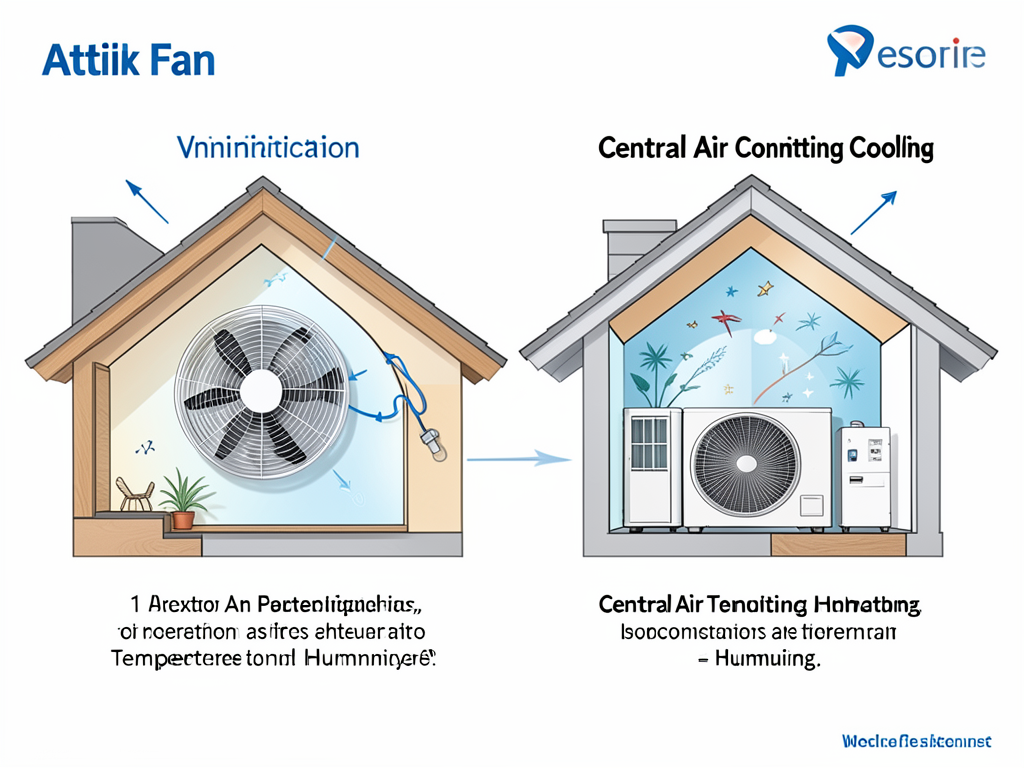
Attic fans are mounted on your roof or gable and use a thermostat to activate when attic temperatures rise above 95-100°F. They pull hot air out through exhaust vents while drawing cooler air in through soffit vents. This reduces heat transfer from your attic to your living spaces.
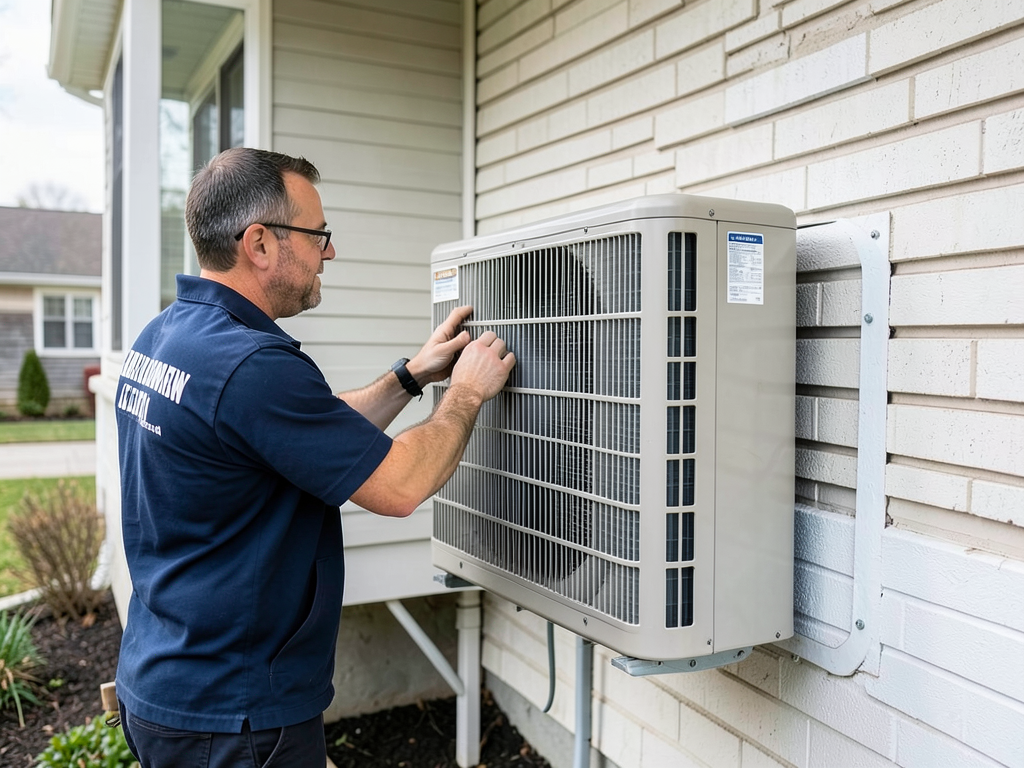
Central air systems use an outdoor condenser unit and indoor evaporator coil connected by refrigerant lines. The system pulls warm indoor air across the evaporator coil, where it cools and dehumidifies before being distributed through ductwork. The removed heat is expelled outside through the condenser.
Attic fans only address heat in the attic space itself. They cannot cool or dehumidify the air inside your home. During humid nights, attic fans may actually bring more moisture-laden air into your attic, potentially causing condensation on rafters and insulation.
Central air systems dehumidify by cooling air below its dew point, causing moisture to condense on the evaporator coil. This process removes 2-3 gallons of water per hour from a typical Arlington home during peak summer conditions.
The key technical difference is that attic fans move existing air while central air conditions it. For Arlington’s climate, conditioning is essential for comfort.
Arlington’s Climate Makes Humidity the Real Enemy
Arlington experiences average summer humidity levels of 65-75%, with July and August often exceeding 80% relative humidity. These conditions create a heat index that makes 85°F feel like 95°F or higher.
High humidity prevents sweat from evaporating from your skin, which is your body’s natural cooling mechanism. Even if an attic fan reduces your attic temperature by 20°F, it cannot address the moisture in the air that makes you feel uncomfortable.
Central air systems maintain indoor humidity between 45-55%, the optimal range for human comfort. This dehumidification process is what makes air conditioning feel refreshing rather than just cold.
Attic fans can actually worsen indoor humidity problems. When they run, they create negative pressure in your attic that draws air through gaps around light fixtures, plumbing penetrations, and electrical boxes. This infiltration brings in humid outdoor air that your attic fan cannot remove.
According to the Massachusetts Department of Energy Resources, homes in Arlington’s climate zone require both cooling and dehumidification for year-round comfort. Ventilation alone addresses neither need effectively. Massachusetts Department of Energy Resources.
Cost Comparison: Installation and Operating Expenses
Attic fan installation costs range from $600 for a basic roof-mounted unit to $1,500 for a high-end model with humidistat controls and automatic shutters. Installation typically takes 2-4 hours and requires roof penetration. The Most Reliable Heat Pump Installation Teams in Cambridge.
Central air installation costs vary significantly based on your home’s configuration. A basic system for a 1,500-square-foot home starts around $5,000, while whole-house systems for larger homes can exceed $12,000.
Operating costs tell a different story. Attic fans use 250-400 watts and cost approximately $5-15 per month to operate during summer. Central air systems use 3,000-5,000 watts but cool your entire home, costing $75-200 monthly during peak season.
Modern central air systems achieve 16-22 SEER2 ratings, meaning they produce 16-22 BTUs of cooling per watt of electricity. Attic fans provide no cooling capacity, only heat removal from the attic space.
Energy Star certified central air systems can reduce cooling costs by 20-30% compared to older units. Attic fans provide no such efficiency improvement since they don’t cool living spaces.
Challenges for Arlington’s Historic Housing Stock
Many Arlington homes were built before air conditioning existed, featuring solid brick or wood construction with minimal insulation. These homes often lack the space for traditional ductwork installation.
Attic fans seem appealing for historic homes because they require no interior modifications. However, they cannot address the fundamental comfort issues in homes with poor insulation and air sealing. Upgrading Historic Back Bay Homes with Central Air (Without Ruining the Interior Walls).
Central air installation in historic Arlington homes requires creative solutions. High-velocity mini-duct systems can fit in 2.5-inch diameter ducts that run through existing wall cavities. These systems use smaller, more flexible ductwork that minimizes structural impact.
Ductless mini-split systems offer another option for Arlington’s older homes. These systems require only a small wall penetration for the refrigerant lines and can cool individual rooms or zones without ductwork.
Massachusetts Historic Preservation guidelines allow HVAC upgrades that don’t alter visible exterior features or historic interior elements. This makes modern ductless and high-velocity systems ideal for Arlington’s historic districts.
Hybrid Cooling: When Fans and AC Work Together
Attic fans and central air can complement each other when properly integrated. A whole-house fan, different from an attic fan, can pull cool evening air through your home while your AC remains off.
Whole-house fans are mounted in your ceiling and pull air from living spaces into the attic, then exhaust it outside. When outdoor temperatures drop below indoor temperatures at night, these fans can cool your entire home using less energy than air conditioning.
The key is timing. Run whole-house fans only when outdoor dew points are low (below 60°F) and temperatures are cooler than indoors. This typically occurs between 9 PM and 7 AM during summer months in Arlington.
Modern smart thermostats can automate this process. They monitor outdoor conditions and switch between fan and AC operation based on temperature and humidity thresholds you set.
For Arlington homes, the most effective strategy combines good insulation and air sealing with a high-efficiency AC system for daytime cooling and strategic whole-house fan use during favorable nighttime conditions.
Local Incentives and Energy Efficiency Programs
Mass Save, administered by National Grid and Eversource, offers substantial rebates for Arlington homeowners upgrading to efficient cooling systems. Current rebates include $600-$1,600 for central air installations meeting SEER2 requirements.
Additional incentives are available for homes completing comprehensive energy assessments. These assessments identify insulation gaps, air leaks, and other efficiency opportunities that can reduce cooling loads by 15-30%.
The Massachusetts Clean Energy Center offers 0% interest financing up to $25,000 for energy efficiency improvements, including central air installations. These HEAT loans make high-efficiency systems more affordable with terms up to 7 years.
Arlington’s Climate Action Plan encourages residents to reduce cooling-related energy consumption. The town offers educational resources about passive cooling strategies and efficient HVAC operation.
Federal tax credits for high-efficiency HVAC equipment can provide additional savings. Equipment meeting ENERGY STAR Most Efficient criteria qualifies for a 30% tax credit up to $600 for cooling equipment.
Impact on Roof Longevity and Home Protection
Attic fans can extend roof life by reducing summer heat that damages shingles from below. However, they can also cause problems if improperly installed or if your attic lacks adequate intake ventilation.
Central air systems protect your home differently. By maintaining consistent indoor temperatures, they reduce thermal stress on building materials and prevent condensation that can lead to mold growth in walls and ceilings.
Ice dam prevention is another consideration for Arlington homes. While attic fans help in summer, they can create problems in winter by removing warm air that helps prevent ice dam formation on roofs.
Modern central air systems with proper zoning can actually help prevent ice dams by maintaining consistent temperatures throughout your home, reducing the freeze-thaw cycles that cause ice dam formation.
The Massachusetts Building Code requires minimum R-49 insulation in Arlington attics. Without this insulation, neither attic fans nor central air can perform optimally, as heat transfer through the ceiling will overwhelm any cooling system.
Noise Level Comparisons and Indoor Comfort
Attic fans typically operate at 50-70 decibels when mounted on the roof, similar to a normal conversation. However, noise can transfer through the ceiling if your attic lacks proper sound barriers.
Central air outdoor units produce 70-80 decibels at one foot away, but this drops significantly with distance. Indoor air handlers operate at 35-45 decibels, quieter than a refrigerator.
For Arlington’s older homes with hardwood floors and minimal sound insulation, central air’s indoor noise is often less noticeable than an attic fan’s operation, especially when running at lower speeds.
Modern variable-speed central air systems can operate at whisper-quiet levels while maintaining precise temperature control. These systems adjust their output in small increments rather than cycling on and off abruptly.
Attic fans create temperature swings as they cycle on and off based on attic temperature. Central air maintains steady indoor conditions, eliminating the discomfort of fluctuating temperatures throughout the day.
Air Quality and Allergen Filtration Differences
Central air systems include filters that remove dust, pollen, and other airborne particles. Standard filters capture 85% of particles 3-10 microns in size, while high-efficiency filters can remove 95% of particles down to 1 micron.
Attic fans provide no air filtration. They can actually worsen indoor air quality by drawing in pollen, dust, and other outdoor allergens through your home’s leaks and gaps.
For Arlington residents with allergies, central air’s filtration capability is a significant advantage. The system continuously cleans indoor air while cooling it, creating a healthier living environment.
Modern central air systems can integrate with whole-house air purifiers and UV light systems that eliminate bacteria, viruses, and mold spores. These additions provide hospital-grade air quality that attic fans cannot match.
The EPA recommends mechanical ventilation with filtration for homes in areas with high outdoor pollution or allergen levels. Arlington’s proximity to Boston and major highways makes this particularly relevant.
Zoning Regulations for Historic Arlington Districts
Arlington’s Historic Districts Commission regulates exterior modifications to homes in designated historic areas. This includes visible HVAC equipment and any changes that alter the building’s historic character.
Attic fans are generally permitted since they mount on the roof or in gable ends, areas not visible from public streets. However, some historic districts may require approval for any roof penetrations.
Central air outdoor units must be placed where they’re not visible from the street or neighboring properties. This often means side yards, rear yards, or screened locations that meet setback requirements.
Ductless mini-split systems offer advantages in historic districts because the outdoor units are smaller and can be mounted on rear walls or in less visible locations. The indoor units are also compact and can be installed in existing spaces.
Before installing any cooling system in Arlington’s historic districts, consult the Historic Districts Commission. They can provide guidance on acceptable equipment placement and installation methods that preserve historic character.
Maintenance Requirements for Each System
Attic fans require minimal maintenance but need annual inspection to ensure proper operation. Check the motor bearings, lubricate if necessary, and verify that intake and exhaust vents remain clear of obstructions.
Central air systems require more comprehensive maintenance. Annual professional service should include coil cleaning, refrigerant level checks, electrical connection inspection, and thermostat calibration.
DIY maintenance for central air includes monthly filter changes during cooling season and keeping the outdoor unit clear of debris, vegetation, and snow in winter.
Attic fans typically last 10-15 years with minimal maintenance. Central air systems last 15-20 years with proper maintenance, though components like capacitors and contactors may need replacement every 5-10 years.
Arlington’s seasonal temperature swings create more stress on HVAC equipment than milder climates. This makes regular maintenance even more critical for system longevity and efficiency.
Environmental Impact and Energy Consumption
Attic fans consume relatively little electricity but provide minimal cooling benefit. Their environmental impact is low, but so is their effectiveness in Arlington’s climate.
Central air systems have higher energy consumption but can be environmentally responsible when properly sized and maintained. High-efficiency systems use environmentally friendly refrigerants and can reduce overall energy consumption compared to older units.
The electricity grid in Massachusetts is becoming cleaner each year as renewable energy sources increase. This means the carbon footprint of electric cooling continues to decrease over time.
Proper home insulation and air sealing can reduce cooling loads by 20-30%, making any cooling system more environmentally friendly by reducing runtime and energy consumption.
For Arlington homeowners concerned about environmental impact, the most sustainable approach combines building envelope improvements with a high-efficiency cooling system sized appropriately for your home’s actual needs.
Making the Right Choice for Your Arlington Home
The decision between attic fans and central air depends on your specific needs, home characteristics, and budget. Consider these factors:
- Your tolerance for humidity and temperature fluctuations
- Your home’s insulation and air sealing quality
- Your budget for both installation and operating costs
- Your home’s architectural constraints and historic status
- Your health considerations regarding air quality
For most Arlington homeowners, central air provides superior comfort, air quality, and home protection despite higher initial costs. The combination of dehumidification, filtration, and consistent temperature control addresses our climate’s specific challenges.
If budget constraints make central air impossible now, consider improving your home’s insulation and air sealing first. These improvements can make an attic fan more effective and prepare your home for future central air installation.
Remember that comfort is subjective. What feels acceptable to one person may be unbearable to another. Consider your personal comfort preferences when making this decision.
The best cooling solution for your Arlington home likely involves multiple strategies working together. Don’t feel pressured to choose between attic fans and central air when a hybrid approach might serve you better. What to Do When Your Back Bay AC Unit Stops Working in July.
Frequently Asked Questions
Can I install an attic fan myself to save money?
DIY attic fan installation is possible but risky. Roof work is dangerous, and improper installation can cause roof leaks, electrical hazards, or ventilation problems. Professional installation ensures proper mounting, wiring, and integration with your home’s existing ventilation system.
How much can I expect my electric bill to increase with central air?
A typical Arlington home sees electric bills increase by $75-200 per month during peak cooling season with central air. High-efficiency systems with proper sizing and good home insulation can keep costs on the lower end of this range.
Will central air work in my 100-year-old Arlington Colonial?
Yes, central air can be installed in historic homes using high-velocity mini-duct systems or ductless mini-splits. These technologies minimize structural impact while providing modern cooling comfort. Many Arlington historic homes have been successfully retrofitted with these systems.
Do I need to replace my furnace to install central air?
Not necessarily. Many existing furnaces can accommodate central air with the addition of an evaporator coil and outdoor condenser unit. However, if your furnace is over 15 years old, replacing it during AC installation may be cost-effective. How to Get Fast Emergency Furnace Repair in Dorchester This Winter.
How long does central air installation take?
Most central air installations in Arlington homes take 2-3 days. This includes equipment mounting, ductwork installation or modification, electrical connections, and system testing. High-velocity or ductless systems may install faster than traditional ducted systems.
Are there any tax credits available for cooling system upgrades?
Yes, federal tax credits up to 30% of installation costs are available for qualifying high-efficiency cooling equipment. Mass Save also offers rebates up to $1,600 for central air installations meeting SEER2 requirements. These incentives can significantly reduce your net cost.
- Assess Your Home’s Characteristics
Evaluate your home’s insulation, air sealing, and architectural constraints. Older Arlington homes may have limited options for ductwork installation.
- Consider Your Comfort Priorities
Determine if you need dehumidification, air filtration, and consistent temperatures, or if you’re comfortable with basic heat reduction.
- Calculate Your Budget
Compare installation costs ($600-$1,500 for fans vs. $5,000-$12,000 for central air) and operating costs over time.
- Explore Available Incentives
Research Mass Save rebates, federal tax credits, and financing options that could make central air more affordable.
- Consult with Local HVAC Professionals
Get assessments from Arlington-based contractors who understand local climate conditions and building codes.
Ready to Beat the Heat in Your Arlington Home?
Don’t suffer through another humid Arlington summer with inadequate cooling. Whether you need a complete central air installation or want to explore hybrid cooling solutions, our team understands Arlington’s unique climate challenges.
We’ve helped hundreds of Arlington homeowners find the right cooling solution for their specific needs and budgets. Our technicians are familiar with local building codes, historic district requirements, and the most effective cooling strategies for New England’s climate. Finding the Right Ductless Mini Split for a Beacon Hill Brownstone.
Call (617) 758-1599 today to schedule your free cooling assessment. We’ll evaluate your home’s specific needs and provide clear recommendations without pressure or upselling.
Pick up the phone and call (617) 758-1599 before the next heat wave hits. Your comfort is our priority, and we’re ready to help you make the best decision for your Arlington home.
{
“@context”: “https://schema.org”,
“@type”: “BlogPosting”,
“headline”: “Is an Attic Fan Enough to Cool Your Arlington Home Without Installing Central Air?”,
“description”: “Attic fans struggle in Arlington’s humid summers. Learn why central air outperforms ventilation and how Mass Save rebates can make cooling affordable.”,
“wordCount”: 2974,
“datePublished”: “2026-05-04T12:40:00.000Z”,
“dateModified”: “2026-05-04T12:40:00.000Z”,
“inLanguage”: “en-US”,
“mainEntityOfPage”: {
“@type”: “WebPage”,
“@id”: “https://titanhvacboston.com”
},
“publisher”: {
“@type”: “LocalBusiness”,
“name”: “Titan HVAC Boston”,
“url”: “https://titanhvacboston.com”
},
“author”: {
“@type”: “Organization”,
“name”: “Titan HVAC Boston”,
“url”: “https://titanhvacboston.com”
},
“image”: {
“@type”: “ImageObject”,
“url”: “https://titanhvacboston.com/wp-content/uploads/2026/03/is-an-attic-fan-enough-to-cool-your-arlington-home-1.png”
}
}
{
“@context”: “https://schema.org”,
“@type”: “HVACBusiness”,
“name”: “Titan HVAC Boston”,
“url”: “https://titanhvacboston.com”,
“address”: {
“@type”: “PostalAddress”,
“addressLocality”: “Boston”
},
“areaServed”: {
“@type”: “City”,
“name”: “Boston”
}
}
{
“@context”: “https://schema.org”,
“@type”: “FAQPage”,
“mainEntity”: [
{
“@type”: “Question”,
“name”: “Can I install an attic fan myself to save money?”,
“acceptedAnswer”: {
“@type”: “Answer”,
“text”: “DIY attic fan installation is possible but risky. Roof work is dangerous, and improper installation can cause roof leaks, electrical hazards, or ventilation problems. Professional installation ensures proper mounting, wiring, and integration with your home’s existing ventilation system.”
}
},
{
“@type”: “Question”,
“name”: “How much can I expect my electric bill to increase with central air?”,
“acceptedAnswer”: {
“@type”: “Answer”,
“text”: “A typical Arlington home sees electric bills increase by $75-200 per month during peak cooling season with central air. High-efficiency systems with proper sizing and good home insulation can keep costs on the lower end of this range.”
}
},
{
“@type”: “Question”,
“name”: “Will central air work in my 100-year-old Arlington Colonial?”,
“acceptedAnswer”: {
“@type”: “Answer”,
“text”: “Yes, central air can be installed in historic homes using high-velocity mini-duct systems or ductless mini-splits. These technologies minimize structural impact while providing modern cooling comfort. Many Arlington historic homes have been successfully retrofitted with these systems.”
}
},
{
“@type”: “Question”,
“name”: “Do I need to replace my furnace to install central air?”,
“acceptedAnswer”: {
“@type”: “Answer”,
“text”: “Not necessarily. Many existing furnaces can accommodate central air with the addition of an evaporator coil and outdoor condenser unit. However, if your furnace is over 15 years old, replacing it during AC installation may be cost-effective. How to Get Fast Emergency Furnace Repair in Dorchester This Winter.”
}
},
{
“@type”: “Question”,
“name”: “How long does central air installation take?”,
“acceptedAnswer”: {
“@type”: “Answer”,
“text”: “Most central air installations in Arlington homes take 2-3 days. This includes equipment mounting, ductwork installation or modification, electrical connections, and system testing. High-velocity or ductless systems may install faster than traditional ducted systems.”
}
},
{
“@type”: “Question”,
“name”: “Are there any tax credits available for cooling system upgrades?”,
“acceptedAnswer”: {
“@type”: “Answer”,
“text”: “Yes, federal tax credits up to 30% of installation costs are available for qualifying high-efficiency cooling equipment. Mass Save also offers rebates up to $1,600 for central air installations meeting SEER2 requirements. These incentives can significantly reduce your net cost.”
}
},
{
“@type”: “Question”,
“name”: “Ready to Beat the Heat in Your Arlington Home?”,
“acceptedAnswer”: {
“@type”: “Answer”,
“text”: “Don’t suffer through another humid Arlington summer with inadequate cooling. Whether you need a complete central air installation or want to explore hybrid cooling solutions, our team understands Arlington’s unique climate challenges.”
}
}
]
}
{
“@context”: “https://schema.org”,
“@type”: “HowTo”,
“name”: “How to Choose Between Attic Fan and Central Air”,
“step”: [
{
“@type”: “HowToStep”,
“position”: 1,
“name”: “Assess Your Home’s Characteristics”,
“text”: “Evaluate your home’s insulation, air sealing, and architectural constraints. Older Arlington homes may have limited options for ductwork installation.”
},
{
“@type”: “HowToStep”,
“position”: 2,
“name”: “Consider Your Comfort Priorities”,
“text”: “Determine if you need dehumidification, air filtration, and consistent temperatures, or if you’re comfortable with basic heat reduction.”
},
{
“@type”: “HowToStep”,
“position”: 3,
“name”: “Calculate Your Budget”,
“text”: “Compare installation costs ($600-$1,500 for fans vs. $5,000-$12,000 for central air) and operating costs over time.”
},
{
“@type”: “HowToStep”,
“position”: 4,
“name”: “Explore Available Incentives”,
“text”: “Research Mass Save rebates, federal tax credits, and financing options that could make central air more affordable.”
},
{
“@type”: “HowToStep”,
“position”: 5,
“name”: “Consult with Local HVAC Professionals”,
“text”: “Get assessments from Arlington-based contractors who understand local climate conditions and building codes.”
}
],
“image”: “https://titanhvacboston.com/wp-content/uploads/2026/03/is-an-attic-fan-enough-to-cool-your-arlington-home-1.png”
}
{
“@context”: “https://schema.org”,
“@type”: “BreadcrumbList”,
“itemListElement”: [
{
“@type”: “ListItem”,
“position”: 1,
“name”: “Home”,
“item”: “https://titanhvacboston.com”
},
{
“@type”: “ListItem”,
“position”: 2,
“name”: “Blog”,
“item”: “https://titanhvacboston.com/blog”
},
{
“@type”: “ListItem”,
“position”: 3,
“name”: “Is an Attic Fan Enough to Cool Your Arlington Home Without Installing Central Air?”
}
]
}
{
“@context”: “https://schema.org”,
“@type”: “Service”,
“serviceType”: “HVAC”,
“provider”: {
“@type”: “LocalBusiness”,
“name”: “Titan HVAC Boston”,
“url”: “https://titanhvacboston.com”
},
“areaServed”: {
“@type”: “City”,
“name”: “Boston”
},
“description”: “Attic fans struggle in Arlington’s humid summers. Learn why central air outperforms ventilation and how Mass Save rebates can make cooling affordable.”
}