
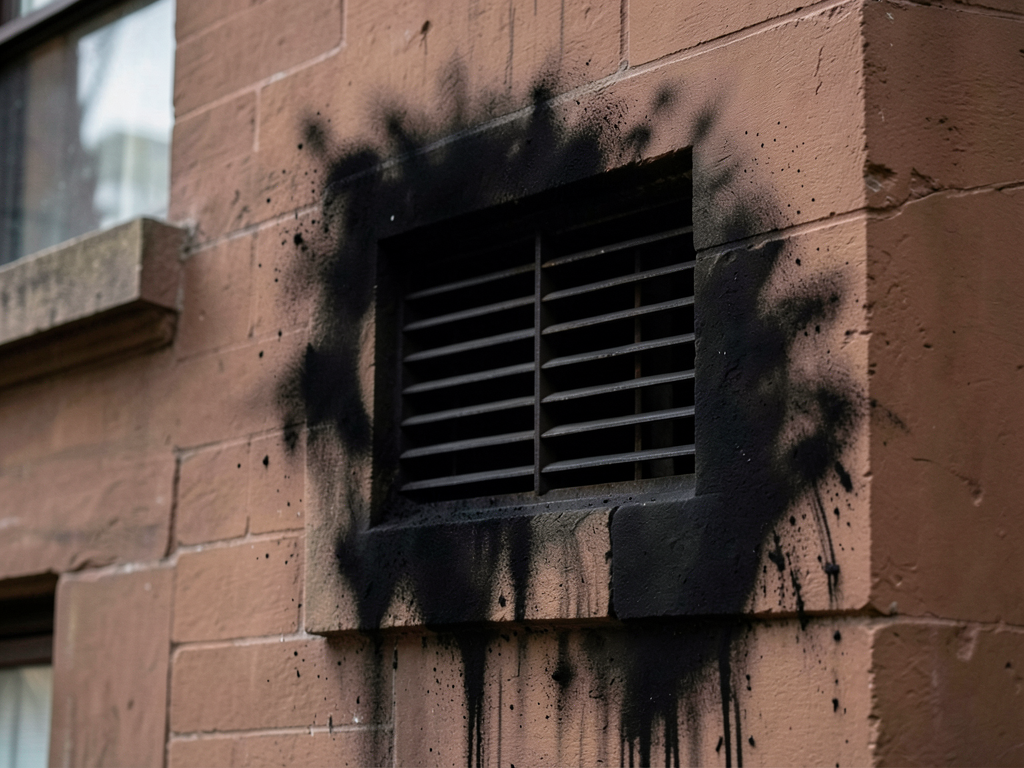
Dealing with Black Soot and City Dust Around Your Windows and Vents in Roxbury
Black streaks around your air vents or windows in Roxbury often raise immediate concerns. Is it mold? A dangerous furnace malfunction? Or just Boston’s notorious city dust? The truth is it could be any of those things. This guide breaks down the most common causes of black soot in Boston homes, explains the safety risks, and tells you exactly when to call a professional. How to Get Fast Emergency Furnace Repair in Dorchester This Winter.
Before you panic, know this: Not all black streaks are dangerous. But some can signal carbon monoxide leaks or a cracked heat exchanger that puts your family at risk. We’ll show you how to tell the difference and what steps to take next.
Is Black Soot Dangerous? The Safety First Checklist
The first question you should ask is: Could this be carbon monoxide? Carbon monoxide is odorless and colorless but can cause serious illness or death. Here’s a quick safety checklist:
- Do you feel dizzy, nauseous, or have headaches when inside your home?
- Do you see black soot near your furnace, water heater, or gas appliances?
- Is there a yellow or flickering flame in your gas appliances instead of a steady blue one?
- Do you have a working carbon monoxide detector on every level of your home?
If you answered yes to any of these, evacuate immediately and call 911. Then contact a licensed HVAC technician to inspect your system.
Top 4 Common Causes of Soot Around Air Vents
Black soot can come from several sources. Here are the most common in Boston homes:
1. Thermal Bridging (The ‘Ghosting’ Effect)
Older Roxbury homes often have uninsulated wall cavities. When warm indoor air hits cold exterior walls, condensation forms. Dust and soot particles in the air stick to these damp spots, creating dark streaks. This is called thermal bridging or ghosting. It’s not a health hazard but can indicate poor insulation.
2. Cracked Heat Exchanger (The High-Risk Scenario)
A cracked heat exchanger in your furnace can leak carbon monoxide and soot into your ductwork. This is a serious safety issue common in older Boston heating systems. Signs include:
- Black soot around vents
- Yellow burner flame instead of blue
- Strange smells when the furnace runs
If you suspect this, shut off your furnace and call a professional immediately.
3. Burning Scented Candles and Incense
Candles and incense produce fine soot that can cling to walls and vents. In homes with poor air filtration, this soot builds up over time. If you burn candles often and see black streaks, this could be the cause.
4. Clogged Air Filters and Dirty Ductwork
When air filters get clogged, your HVAC system has to work harder. This can cause dust and soot to bypass the filter and settle on vents. In Boston’s humid climate, dirty ductwork can also harbor mold, which appears as black or dark spots.
How to Tell if the Soot is a Sign of Carbon Monoxide
Not all soot is dangerous, but you should know how to tell the difference. Here’s a simple test:
- Turn off your HVAC system for 24 hours.
- Wipe the black streaks with a white cloth.
- If the cloth turns black and smells like soot or fuel, it could be a combustion issue.
- If the streaks are gray and wipe away easily, it’s likely dust or candle soot.
Still unsure? Call a professional. It’s better to be safe than sorry.
DIY Cleaning vs. Professional HVAC Remediation
Can you clean soot yourself? For light ghosting or candle soot, yes. Use a damp microfiber cloth and mild detergent. But for suspected furnace issues, cracked heat exchangers, or mold, always call a pro.
Professional HVAC remediation includes:
- Heat exchanger inspection
- Duct cleaning with HEPA filtration
- Combustion analysis to check for CO leaks
- Filter and airflow testing
DIY cleaning is fine for cosmetic issues. For safety, leave it to the experts.
Boston-Specific Considerations: Old Homes and Humidity
Roxbury’s historic homes built before 1940 often have uninsulated walls and outdated heating systems. These homes are more prone to thermal bridging and soot buildup. Boston’s high humidity in summer and dry winters also affect how dust and soot settle. Upgrading Historic Back Bay Homes with Central Air (Without Ruining the Interior Walls).
Massachusetts building code requires carbon monoxide detectors on every habitable level. If your home is older and lacks these, install them immediately. Also, consider a professional energy audit to identify insulation gaps that cause ghosting. Massachusetts Carbon Monoxide Safety.
When to Call a Boston HVAC Specialist
Call a professional if:
- You see black soot near your furnace or vents
- Your CO detector goes off
- You smell fuel or burning when the heat is on
- You have persistent streaks despite cleaning
Don’t wait. Carbon monoxide poisoning can happen quickly. A licensed HVAC technician can diagnose the issue and keep your home safe.
Frequently Asked Questions
Is black soot always dangerous?
Not always. It can be from candles, dust, or poor insulation. But it can also signal carbon monoxide leaks or furnace problems. Always investigate the cause.
Can I clean soot off my vents myself?
Yes, for light soot from candles or dust. Use a damp cloth and mild cleaner. For suspected furnace issues, call a professional.
How often should I replace my HVAC filter?
Every 1-3 months depending on usage and filter type. In Boston’s dusty urban environment, check monthly.
What does a cracked heat exchanger look like?
You can’t always see it. Signs include soot near vents, yellow burner flame, and CO detector alarms. Only a professional can confirm it.
Does thermal bridging mean I need new insulation?
Often yes. An energy audit can pinpoint where insulation is lacking and recommend upgrades.
Call (617) 758-1599 Today to Schedule Your Inspection
Black soot around your vents isn’t something to ignore. Whether it’s a simple dust issue or a dangerous furnace malfunction, the only way to know for sure is to have a professional inspect your system. Call (617) 758-1599 today to schedule your inspection. We serve Roxbury and all of Boston with fast, reliable service. Don’t wait until it’s too late. The Most Reliable Heat Pump Installation Teams in Cambridge.
Conclusion
Black soot and city dust around your windows and vents in Roxbury can be alarming. While some causes are harmless, others can signal serious safety risks like carbon monoxide leaks or cracked heat exchangers. By understanding the common causes and knowing when to call a professional, you can protect your home and family. If you’re ever in doubt, it’s always better to be safe and get an expert opinion. Call (617) 758-1599 today to schedule your inspection and breathe easier knowing your home is safe. For more information, visit EPA Indoor Air Quality.
{
“@context”: “https://schema.org”,
“@type”: “BlogPosting”,
“headline”: “Dealing with Black Soot and City Dust Around Your Windows and Vents in Roxbury”,
“description”: “Black soot around vents in Roxbury could signal serious furnace issues or just city dust. Learn the causes, safety risks, and when to call a Boston HVAC specialist.”,
“wordCount”: 1134,
“datePublished”: “2026-05-17T10:54:00.000Z”,
“dateModified”: “2026-05-17T10:54:00.000Z”,
“inLanguage”: “en-US”,
“mainEntityOfPage”: {
“@type”: “WebPage”,
“@id”: “https://titanhvacboston.com”
},
“publisher”: {
“@type”: “LocalBusiness”,
“name”: “Titan HVAC Boston”,
“url”: “https://titanhvacboston.com”
},
“author”: {
“@type”: “Organization”,
“name”: “Titan HVAC Boston”,
“url”: “https://titanhvacboston.com”
},
“image”: {
“@type”: “ImageObject”,
“url”: “https://titanhvacboston.com/wp-content/uploads/2026/03/dealing-with-black-soot-and-city-dust-around-your-1.png”
}
}
{
“@context”: “https://schema.org”,
“@type”: “HVACBusiness”,
“name”: “Titan HVAC Boston”,
“url”: “https://titanhvacboston.com”,
“address”: {
“@type”: “PostalAddress”,
“addressLocality”: “Boston”
},
“areaServed”: {
“@type”: “City”,
“name”: “Boston”
}
}
{
“@context”: “https://schema.org”,
“@type”: “FAQPage”,
“mainEntity”: [
{
“@type”: “Question”,
“name”: “Is black soot always dangerous?”,
“acceptedAnswer”: {
“@type”: “Answer”,
“text”: “Not always. It can be from candles, dust, or poor insulation. But it can also signal carbon monoxide leaks or furnace problems. Always investigate the cause.”
}
},
{
“@type”: “Question”,
“name”: “Can I clean soot off my vents myself?”,
“acceptedAnswer”: {
“@type”: “Answer”,
“text”: “Yes, for light soot from candles or dust. Use a damp cloth and mild cleaner. For suspected furnace issues, call a professional.”
}
},
{
“@type”: “Question”,
“name”: “How often should I replace my HVAC filter?”,
“acceptedAnswer”: {
“@type”: “Answer”,
“text”: “Every 1-3 months depending on usage and filter type. In Boston’s dusty urban environment, check monthly.”
}
},
{
“@type”: “Question”,
“name”: “What does a cracked heat exchanger look like?”,
“acceptedAnswer”: {
“@type”: “Answer”,
“text”: “You can’t always see it. Signs include soot near vents, yellow burner flame, and CO detector alarms. Only a professional can confirm it.”
}
},
{
“@type”: “Question”,
“name”: “Does thermal bridging mean I need new insulation?”,
“acceptedAnswer”: {
“@type”: “Answer”,
“text”: “Often yes. An energy audit can pinpoint where insulation is lacking and recommend upgrades.”
}
}
]
}
{
“@context”: “https://schema.org”,
“@type”: “HowTo”,
“name”: “How to Tell if the Soot is a Sign of Carbon Monoxide”,
“step”: [
{
“@type”: “HowToStep”,
“position”: 1,
“name”: “Turn off your HVAC system for 24 hours.”,
“text”: “Turn off your HVAC system for 24 hours.”
},
{
“@type”: “HowToStep”,
“position”: 2,
“name”: “Wipe the black streaks with a white cloth.”,
“text”: “Wipe the black streaks with a white cloth.”
},
{
“@type”: “HowToStep”,
“position”: 3,
“name”: “If the cloth turns black and smells like soot or f”,
“text”: “If the cloth turns black and smells like soot or fuel, it could be a combustion issue.”
},
{
“@type”: “HowToStep”,
“position”: 4,
“name”: “If the streaks are gray and wipe away easily, it’s”,
“text”: “If the streaks are gray and wipe away easily, it’s likely dust or candle soot.”
}
],
“image”: “https://titanhvacboston.com/wp-content/uploads/2026/03/dealing-with-black-soot-and-city-dust-around-your-1.png”
}
{
“@context”: “https://schema.org”,
“@type”: “BreadcrumbList”,
“itemListElement”: [
{
“@type”: “ListItem”,
“position”: 1,
“name”: “Home”,
“item”: “https://titanhvacboston.com”
},
{
“@type”: “ListItem”,
“position”: 2,
“name”: “Blog”,
“item”: “https://titanhvacboston.com/blog”
},
{
“@type”: “ListItem”,
“position”: 3,
“name”: “Dealing with Black Soot and City Dust Around Your Windows and Vents in Roxbury”
}
]
}
{
“@context”: “https://schema.org”,
“@type”: “Service”,
“serviceType”: “HVAC”,
“provider”: {
“@type”: “LocalBusiness”,
“name”: “Titan HVAC Boston”,
“url”: “https://titanhvacboston.com”
},
“areaServed”: {
“@type”: “City”,
“name”: “Boston”
},
“description”: “Black soot around vents in Roxbury could signal serious furnace issues or just city dust. Learn the causes, safety risks, and when to call a Boston HVAC specialist.”
}