
Why Your AC Is Leaking Water All Over Your East Boston Utility Closet
Your air conditioner should never leave puddles on the floor. If you’re standing in front of a leaking unit right now, turn off the thermostat and the breaker immediately. Water near electrical components creates a serious safety hazard and can destroy drywall, flooring, and stored items in minutes. Finding the Right Ductless Mini Split for a Beacon Hill Brownstone.
East Boston homes face unique challenges during humid Massachusetts summers. The combination of older construction, tight utility spaces, and coastal moisture creates perfect conditions for condensate problems. This guide explains exactly what’s happening and what to do next. Mass Save energy efficiency rebates.
Why Your Air Conditioner Is Leaking Water
Air conditioners remove moisture from indoor air as part of the cooling process. In East Boston’s high humidity, a standard residential system can pull several gallons of water from the air each day. That water collects on the evaporator coil and drains through a network of pipes and pans. When any part of this system fails, water backs up and spills out.
Clogged Condensate Drain Line
The most common cause of AC leaks is a blocked drain line. Algae, mold, and sediment build up inside the narrow PVC pipe over time. When the line clogs, water has nowhere to go and overflows from the drain pan.
Signs of a clogged line include water pooling directly under the indoor unit, a musty smell near the air handler, and the system occasionally shutting off on its own safety switch.
Rusted or Cracked Drain Pan
The primary drain pan sits directly under the evaporator coil. In East Boston’s salt-air environment, metal pans corrode faster than inland areas. Plastic pans can crack from age or impact. A damaged pan allows water to escape before it reaches the drain line.
Secondary drain pans are required by Massachusetts building code 780 CMR 120.1 for attic and upper-floor installations. If your East Boston home has a second-floor air handler, check whether the secondary pan has rusted through or if its drain line is clogged. The Most Reliable Heat Pump Installation Teams in Cambridge.
Broken Condensate Pump
Many East Boston basements and utility closets sit below the main drain line elevation. These installations require a condensate pump to lift water to the proper drain height. When the pump fails, water backs up and overflows the collection reservoir.
Pumps typically last 5-7 years. If yours is older or makes unusual noises, it may need replacement before causing water damage.
Low Refrigerant Causing Frozen Coils
When refrigerant levels drop, the evaporator coil gets too cold and freezes. As ice melts, it produces more water than the drain system can handle. You might notice reduced cooling performance, hissing sounds from the lineset, or ice visible on the copper tubing.
Refrigerant leaks violate EPA Section 608 regulations and require certified technicians to repair and recharge the system. Never attempt to add refrigerant yourself. EPA Section 608 regulations.
Dirty Air Filter Creating Pressure Drops
A clogged filter restricts airflow across the evaporator coil. This can cause the coil to ice up, leading to overflow when the ice melts. Check your filter monthly during summer. If light doesn’t pass through easily, replace it.
Immediate Steps to Take When Your AC Leaks
Before attempting any fixes, prioritize safety and damage control. Standing water near electrical components creates shock hazards. Water seeping into walls promotes mold growth within 24-48 hours.
- Turn Off Power
Switch off the thermostat and flip the dedicated breaker for your air handler. This stops water production immediately. What to Do When Your Back Bay AC Unit Stops Working in July.
- Remove Standing Water
Use towels, a wet/dry vacuum, or a mop to remove visible water. Pay special attention to corners where water collects.
- Check the Drain Pan
Look for obvious cracks, rust holes, or misalignment. If the pan is full, the drain line is likely clogged.
- Inspect the Filter
Remove and examine the air filter. Replace if dirty or if you can’t see light through it.
- Call for Professional Help
If water continues leaking or you spot ice on coils, contact a licensed HVAC technician immediately.
DIY Fixes You Can Try (And When to Stop)
Some condensate issues have simple solutions you can handle safely. Others require professional tools and EPA certification. Here’s what you can attempt yourself versus when to call in a pro.
Safe DIY Steps
Start with the air filter. A $10 replacement might solve your problem. Next, locate the main condensate drain line exit point near your outdoor unit. If you see water dripping steadily, the line is likely clear.
For minor clogs, you can try these steps:
- Turn off power to the system.
- Place a bucket under the indoor drain line connection.
- Remove the cap and slowly pour a cup of white vinegar into the line. Wait 30 minutes.
- Flush with clean water and check for improved drainage.
Never use chemical drain cleaners. They can damage PVC pipes and create hazardous fumes when mixed with AC components.
When to Call a Professional
Stop DIY attempts if you notice any of these conditions:
- Ice formation on coils or refrigerant lines
- Water continues leaking after basic troubleshooting
- You hear hissing or bubbling sounds from the refrigerant lines
- The drain pan appears rusted or cracked
- Your system is under 5 years old but already leaking
Professional repairs often require specialized tools like micron gauges for proper evacuation, refrigerant recovery machines, and combustion analyzers for gas furnace safety checks. How to Get Fast Emergency Furnace Repair in Dorchester This Winter.
How Boston’s Humidity Impacts Your AC System
East Boston experiences some of the highest dew points in Massachusetts during summer months. When outdoor air reaches 70°F dew point, your AC works overtime removing moisture. This creates several challenges specific to our coastal location.
High humidity means your system produces more condensate than systems in drier climates. A standard 3-ton unit in Phoenix might remove 5-7 gallons per day. The same unit in East Boston during August can remove 10-15 gallons daily.
The salt air accelerates corrosion of metal components, particularly drain pans and electrical connections. Homes within one mile of the harbor see condensate pump failures occur 2-3 years earlier than inland properties.
East Boston’s older housing stock often features converted attic spaces and basement utility closets with limited ventilation. Poor air circulation allows moisture to accumulate around equipment, promoting mold growth on drain pans and insulation.
Preventative Maintenance for Boston Homeowners
Regular maintenance prevents most condensate emergencies. A professional tune-up includes cleaning the evaporator coil, checking refrigerant levels, testing the condensate pump, and clearing the drain line with specialized equipment.
Massachusetts utilities offer rebates through Mass Save for high-efficiency equipment. If your system is over 10 years old and leaking, replacement might qualify for incentives while solving your immediate problem.
Consider these preventative steps:
- Schedule annual maintenance before peak cooling season
- Install a condensate overflow switch that automatically shuts off the system if water backs up
- Check and replace air filters monthly during summer
- Keep the area around your air handler clean and dry
- Test your secondary drain pan’s drain line annually
Cost Considerations for AC Leak Repairs in East Boston
Repair costs vary based on the specific failure and your system’s configuration. Simple drain line clearing typically costs $150-300. Replacing a condensate pump runs $300-600 including parts and labor.
Major repairs like evaporator coil replacement ($1,200-2,500) or refrigerant leak repair ($500-1,500 plus recharge costs) require more extensive work. If your system is over 12 years old, replacement might prove more cost-effective than multiple repairs.
Emergency service calls during heatwaves command premium rates. Planning maintenance during shoulder seasons often saves 20-30% on repair costs.
Frequently Asked Questions
Is a leaking AC unit dangerous?
Yes. Water near electrical components creates shock hazards. Prolonged leaks damage building materials and promote mold growth. Turn off power immediately if you notice active leaking.
Can I use bleach to clear my drain line?
No. Bleach can damage PVC pipes and create toxic fumes when mixed with AC components. Use white vinegar or contact a professional for safe cleaning.
How long can I run my AC if it’s leaking?
Turn it off immediately. Continuing to run a leaking system can cause electrical damage, compressor failure, and extensive water damage to your home.
Will my homeowner’s insurance cover AC leaks?
Most policies cover sudden, accidental water damage but not damage from lack of maintenance. Check your specific policy details and document any damage thoroughly.
How can I prevent future leaks?
Schedule annual maintenance, replace air filters monthly during summer, install a condensate overflow switch, and keep the area around your air handler clean and dry.
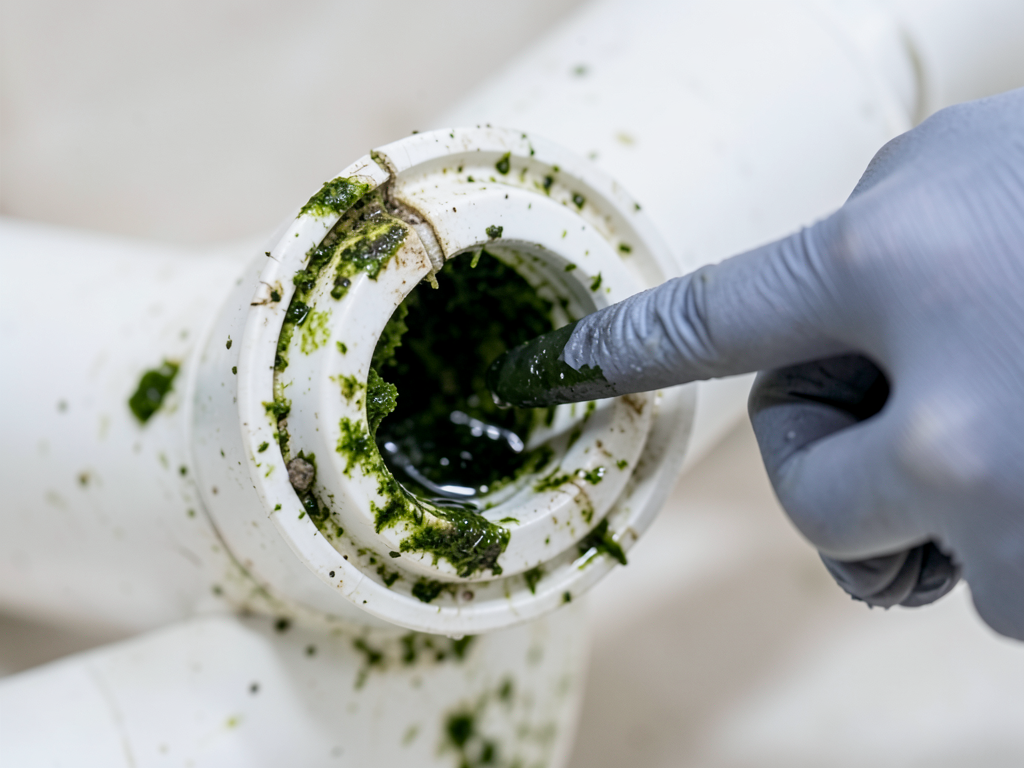
Featured Image: Close-up of a clogged AC condensate drain line showing algae buildup and standing water in the PVC pipe, with a technician’s gloved hand pointing to the blockage location.
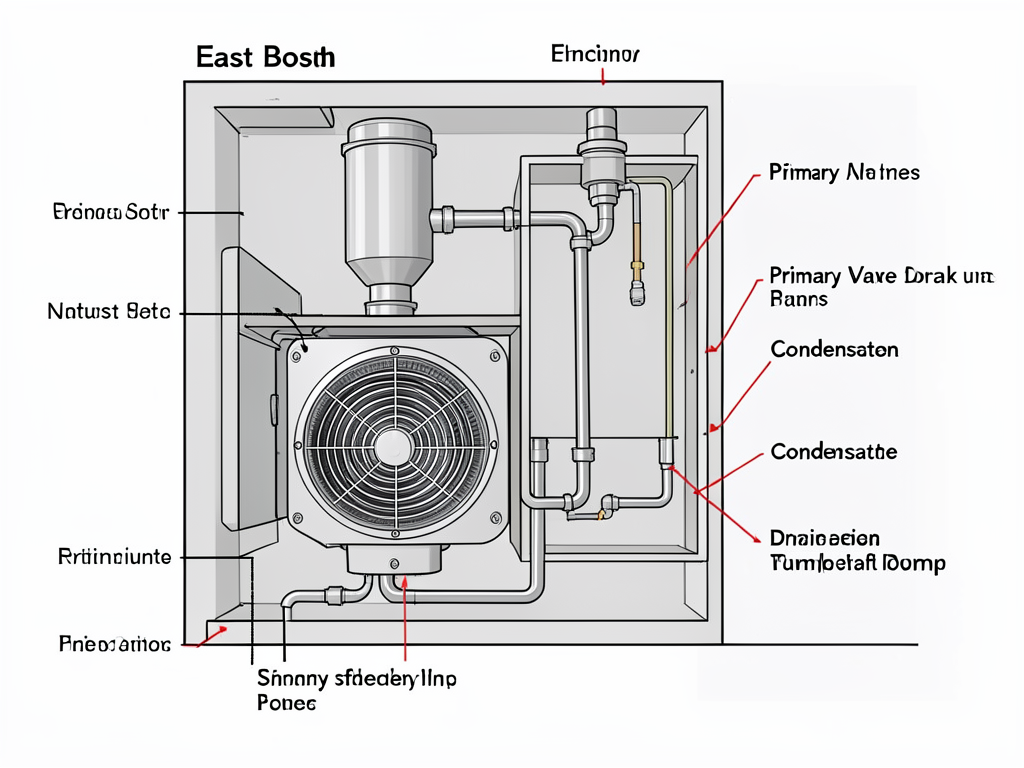
Technical Diagram: Cross-section illustration of a residential AC system showing the evaporator coil, primary and secondary drain pans, condensate pump, and drain line routing through an East Boston utility closet.
Before/After Repair: Side-by-side comparison showing a rusted drain pan with water damage to surrounding drywall versus a newly installed secondary drain pan with proper overflow protection installed.
Don’t Let a Small Leak Become a Big Problem
Water damage spreads quickly. What starts as a small puddle can destroy flooring, promote mold growth, and create electrical hazards within hours. East Boston’s humid climate makes condensate management critical for system reliability.
If you’ve tried basic troubleshooting without success, or if you’re uncomfortable working near electrical components, it’s time to call a professional. Our technicians understand the specific challenges East Boston homes face, from salt-air corrosion to tight utility spaces in converted triple-deckers.
Call (617) 758-1599 today to schedule your inspection. We offer same-day emergency service throughout East Boston, including Jeffries Point, Eagle Hill, and the waterfront areas. Don’t wait until water damage spreads through your utility closet and into adjacent rooms.
Pick up the phone and call (617) 758-1599 before the next storm hits. Quick action now prevents expensive repairs later and keeps your family safe from water and electrical hazards.
{
“@context”: “https://schema.org”,
“@type”: “BlogPosting”,
“headline”: “Why Your AC Is Leaking Water All Over Your East Boston Utility Closet”,
“description”: “AC leaking water in your East Boston home? Learn the 5 most common causes, immediate DIY fixes, and when to call a Boston HVAC pro before water damage spreads.”,
“wordCount”: 1695,
“datePublished”: “2026-05-12T07:29:00.000Z”,
“dateModified”: “2026-05-12T07:29:00.000Z”,
“inLanguage”: “en-US”,
“mainEntityOfPage”: {
“@type”: “WebPage”,
“@id”: “https://titanhvacboston.com”
},
“publisher”: {
“@type”: “LocalBusiness”,
“name”: “Titan HVAC Boston”,
“url”: “https://titanhvacboston.com”
},
“author”: {
“@type”: “Organization”,
“name”: “Titan HVAC Boston”,
“url”: “https://titanhvacboston.com”
},
“image”: {
“@type”: “ImageObject”,
“url”: “https://titanhvacboston.com/wp-content/uploads/2026/03/why-your-ac-is-leaking-water-all-over-your-east-bo-1.png”
}
}
{
“@context”: “https://schema.org”,
“@type”: “HVACBusiness”,
“name”: “Titan HVAC Boston”,
“url”: “https://titanhvacboston.com”,
“address”: {
“@type”: “PostalAddress”,
“addressLocality”: “Boston”
},
“areaServed”: {
“@type”: “City”,
“name”: “Boston”
}
}
{
“@context”: “https://schema.org”,
“@type”: “FAQPage”,
“mainEntity”: [
{
“@type”: “Question”,
“name”: “Is a leaking AC unit dangerous?”,
“acceptedAnswer”: {
“@type”: “Answer”,
“text”: “Yes. Water near electrical components creates shock hazards. Prolonged leaks damage building materials and promote mold growth. Turn off power immediately if you notice active leaking.”
}
},
{
“@type”: “Question”,
“name”: “Can I use bleach to clear my drain line?”,
“acceptedAnswer”: {
“@type”: “Answer”,
“text”: “No. Bleach can damage PVC pipes and create toxic fumes when mixed with AC components. Use white vinegar or contact a professional for safe cleaning.”
}
},
{
“@type”: “Question”,
“name”: “How long can I run my AC if it’s leaking?”,
“acceptedAnswer”: {
“@type”: “Answer”,
“text”: “Turn it off immediately. Continuing to run a leaking system can cause electrical damage, compressor failure, and extensive water damage to your home.”
}
},
{
“@type”: “Question”,
“name”: “Will my homeowner’s insurance cover AC leaks?”,
“acceptedAnswer”: {
“@type”: “Answer”,
“text”: “Most policies cover sudden, accidental water damage but not damage from lack of maintenance. Check your specific policy details and document any damage thoroughly.”
}
},
{
“@type”: “Question”,
“name”: “How can I prevent future leaks?”,
“acceptedAnswer”: {
“@type”: “Answer”,
“text”: “Schedule annual maintenance, replace air filters monthly during summer, install a condensate overflow switch, and keep the area around your air handler clean and dry.”
}
}
]
}
{
“@context”: “https://schema.org”,
“@type”: “HowTo”,
“name”: “Emergency AC Leak Response”,
“step”: [
{
“@type”: “HowToStep”,
“position”: 1,
“name”: “Turn Off Power”,
“text”: “Switch off the thermostat and flip the dedicated breaker for your air handler. This stops water production immediately. What to Do When Your Back Bay AC Unit Stops Working in July.”
},
{
“@type”: “HowToStep”,
“position”: 2,
“name”: “Remove Standing Water”,
“text”: “Use towels, a wet/dry vacuum, or a mop to remove visible water. Pay special attention to corners where water collects.”
},
{
“@type”: “HowToStep”,
“position”: 3,
“name”: “Check the Drain Pan”,
“text”: “Look for obvious cracks, rust holes, or misalignment. If the pan is full, the drain line is likely clogged.”
},
{
“@type”: “HowToStep”,
“position”: 4,
“name”: “Inspect the Filter”,
“text”: “Remove and examine the air filter. Replace if dirty or if you can’t see light through it.”
},
{
“@type”: “HowToStep”,
“position”: 5,
“name”: “Call for Professional Help”,
“text”: “If water continues leaking or you spot ice on coils, contact a licensed HVAC technician immediately.”
}
],
“image”: “https://titanhvacboston.com/wp-content/uploads/2026/03/why-your-ac-is-leaking-water-all-over-your-east-bo-1.png”
}
{
“@context”: “https://schema.org”,
“@type”: “BreadcrumbList”,
“itemListElement”: [
{
“@type”: “ListItem”,
“position”: 1,
“name”: “Home”,
“item”: “https://titanhvacboston.com”
},
{
“@type”: “ListItem”,
“position”: 2,
“name”: “Blog”,
“item”: “https://titanhvacboston.com/blog”
},
{
“@type”: “ListItem”,
“position”: 3,
“name”: “Why Your AC Is Leaking Water All Over Your East Boston Utility Closet”
}
]
}
{
“@context”: “https://schema.org”,
“@type”: “Service”,
“serviceType”: “HVAC”,
“provider”: {
“@type”: “LocalBusiness”,
“name”: “Titan HVAC Boston”,
“url”: “https://titanhvacboston.com”
},
“areaServed”: {
“@type”: “City”,
“name”: “Boston”
},
“description”: “AC leaking water in your East Boston home? Learn the 5 most common causes, immediate DIY fixes, and when to call a Boston HVAC pro before water damage spreads.”
}