
Why Your Skin Feels So Dry Every Winter in Your Somerville Apartment
Winter in Somerville means cold air outside and heated air inside. That heated air holds less moisture than your skin needs. When indoor humidity drops below 30 percent your skin loses moisture to the dry air. The result is itchy flaky skin that feels tight and uncomfortable all season long.
Somerville’s mix of old triple-deckers and newer condos makes the problem worse. Many apartments have radiators or older forced-air systems that push out hot dry air without adding moisture back. The tight building envelopes in modern units trap that dry air inside. In older buildings poor insulation lets cold drafts in which makes heating systems work harder and dry the air even more.
Beyond skin discomfort low humidity causes other problems. Wood floors shrink and gaps appear. Static electricity shocks become common. Your nose and throat feel irritated. Even your plants struggle. These are all signs your apartment needs more moisture in the air.
Understanding how Somerville’s winter climate affects your indoor air is the first step. The next is knowing what you can do to fix it.
How Somerville’s Winter Climate Creates Dry Indoor Air
Somerville sits just northwest of Boston along the Mystic River. Cold Canadian air masses sweep across the region in winter. Outdoor temperatures often drop into the teens or single digits. When you heat that cold air to a comfortable indoor temperature the relative humidity plummets.
Relative humidity measures how much moisture is in the air compared to how much it could hold at that temperature. Warm air can hold more moisture than cold air. So when you take freezing outside air and heat it to seventy degrees the relative humidity can fall below twenty percent.
Older Somerville triple-deckers often have single-pane windows and minimal wall insulation. These buildings lose heat quickly. Heating systems run constantly to keep up. That constant heating strips even more moisture from the air.
Modern Somerville condos with tight construction and double-pane windows trap dry air inside. Without a way to add moisture back the air stays desert-dry all winter.
Water hardness in the Greater Boston area also plays a role. Somerville’s water comes from the Massachusetts Water Resources Authority and contains moderate mineral content. Those minerals build up in portable humidifiers and reduce their effectiveness over time. That is why many Somerville residents find small humidifiers need constant cleaning and still do not solve the problem.
Health and Home Impacts of Low Winter Humidity
Low indoor humidity affects more than comfort. Your skin is your body’s first defense against germs. When it dries out tiny cracks form. Those cracks make it easier for viruses and bacteria to enter.
Respiratory irritation is another common issue. Dry nasal passages and throats make you more susceptible to colds and flu. If you already have allergies or asthma dry air can trigger symptoms.
Static electricity is more than a nuisance. In Somerville’s older apartments with radiator heat static shocks can damage sensitive electronics. That constant zap you feel when touching a light switch is a sign your air is too dry.
Your home suffers too. Wood floors and furniture lose moisture and shrink. In Somerville’s many historic wood-frame buildings this can cause gaps in hardwood floors and cracks in door frames. Musical instruments like guitars and pianos go out of tune faster. Even books and artwork can be affected by extremely dry conditions. Upgrading Historic Back Bay Homes with Central Air (Without Ruining the Interior Walls).
According to the EPA indoor humidity should stay between thirty and fifty percent for health and comfort. Below thirty percent you start to see these problems. Above fifty percent in winter you risk condensation on windows and potential mold growth. EPA indoor air quality guidelines.
Quick Fixes for Dry Air in Your Somerville Apartment
Before investing in a whole-home system there are simple steps you can take now. These help but rarely solve the problem completely in a Boston winter.
Place bowls of water near radiators or heating vents. As the water warms it evaporates into the air. This works best with multiple bowls spread around the apartment.
Air dry your laundry indoors. The moisture from wet clothes evaporates into your living space. This also saves energy compared to running a dryer.
Bring in more houseplants. Plants release moisture through a process called transpiration. A few well-watered plants can add a small amount of humidity.
Use portable humidifiers in the rooms where you spend the most time. Bedrooms and living rooms are good targets. Choose models with large tanks so you are not refilling constantly. Clean them regularly to prevent mold growth.
Leave the bathroom door open when you shower. The steam travels into nearby rooms and adds moisture to the air.
Even with these steps many Somerville apartments still feel dry. That is because the volume of air in an apartment is large compared to the moisture these methods add. For lasting relief you need a more powerful solution.
Whole-Home Humidification for Somerville Apartments
A whole-home humidifier connects to your existing heating system. It adds moisture directly to the air as it circulates through your apartment. This keeps humidity levels consistent in every room.
There are three main types of whole-home humidifiers.
Bypass humidifiers use the furnace fan to draw air through a water panel. Moisture evaporates from the panel into the air stream. These work well in smaller apartments with gas furnaces. How to Get Fast Emergency Furnace Repair in Dorchester This Winter.
Fan-powered humidifiers have their own fan to push air through the water panel. They produce more moisture than bypass units and work with both furnaces and boilers.
Steam humidifiers boil water to create steam. The steam is injected directly into the ductwork. These are the most effective and work with any heating system. They are ideal for larger apartments or homes with high moisture needs.
For Somerville’s mix of heating systems steam and fan-powered units are often the best choice. Many older triple-deckers have steam or hot-water radiators that do not use ductwork. In those cases a steam humidifier can be installed in a nearby closet or utility area with its own small fan to distribute moisture.
Whole-home systems connect to your thermostat. You set your desired humidity level just like temperature. The system maintains that level automatically all winter.
According to the National Association of Home Builders proper humidification can make your home feel warmer at lower temperatures. This can reduce heating costs by up to four percent for every degree you lower your thermostat. National Association of Home Builders humidification benefits.
Installation Considerations for Somerville Properties
Somerville’s housing stock presents unique challenges. Many apartments are in buildings over one hundred years old. Space for new equipment is limited. Electrical and plumbing upgrades may be needed.
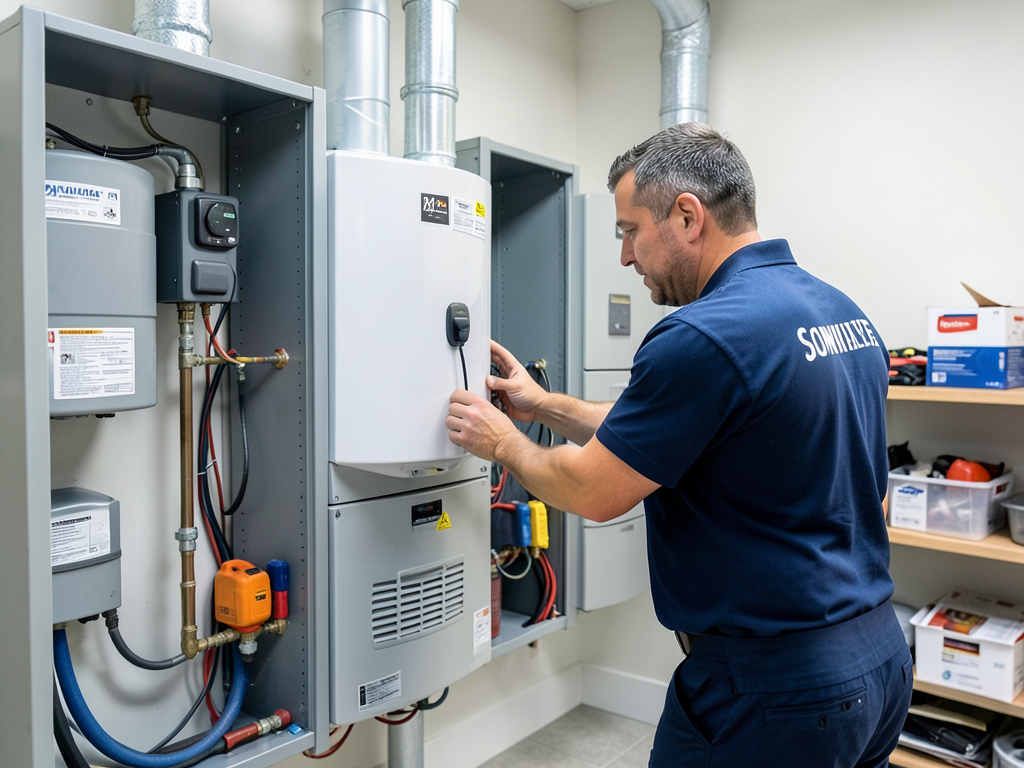
In triple-deckers the utility room is often in the basement. That is a good location for a whole-home humidifier. From there moisture can be distributed to all floors. In condos the mechanical closet or a kitchen cabinet may be the only available space.
Older buildings may have outdated wiring or plumbing. A professional assessment is needed to determine if upgrades are required. The Massachusetts State Building Code requires all HVAC modifications to meet current safety standards.
Water quality matters. Somerville’s moderately hard water can cause mineral buildup in humidifiers. A professional installation includes a water treatment system or a filter to prevent this. Without it you would be cleaning or replacing parts every few months. The Most Reliable Heat Pump Installation Teams in Cambridge.
Noise is another factor. Whole-home units are much quieter than portable humidifiers. A properly installed system should be nearly silent.
Permits are required for most HVAC work in Somerville. The city’s Inspectional Services Department reviews plans to ensure they meet code. A licensed contractor handles this process.
Cost and Energy Benefits of Humidification
The upfront cost of a whole-home humidifier varies by type and apartment size. A basic bypass unit might cost around five hundred dollars plus installation. A high-end steam system can run over two thousand dollars installed.
Installation costs depend on your existing system. Adding a humidifier to a furnace with existing ductwork is straightforward. Retrofitting a radiator system or a condo with no ductwork takes more labor and materials.
Operating costs are low. Most whole-home humidifiers use less than fifty watts of electricity. The water usage is minimal compared to other household needs.
The energy savings come from comfort. When air is properly humidified it feels warmer. You can lower your thermostat a few degrees without feeling cold. Over a Massachusetts winter those degrees add up to real savings.
Health benefits are harder to quantify but equally important. Fewer colds and less skin irritation mean fewer missed days and less money spent on lotions and remedies. Benefits of Inverter Technology.
Wood floor and furniture damage prevention is another saving. Replacing a damaged floor or repairing a piano can cost thousands. Maintaining proper humidity protects these investments.
Maintaining Your Humidifier for Long-Term Performance
Like any HVAC component a humidifier needs regular maintenance. The water panel or steam canister should be replaced once per heating season. This ensures efficient operation and prevents mold growth.
In Somerville’s water conditions mineral buildup is the most common problem. A professional cleaning each fall removes scale and keeps the system running efficiently.
The humidistat that controls the system should be checked annually. If it is not reading correctly the system may add too much or too little moisture.
Drain lines should be inspected for clogs. A blocked drain can cause water to back up and damage your system or your home.
Most manufacturers recommend a professional service visit each fall before the heating season starts. This ensures your system is ready for the dry winter months.
With proper care a whole-home humidifier lasts ten to fifteen years. That is far longer than the two to five years you might get from high-quality portable units.
Why Professional Installation Matters in Somerville
Installing a whole-home humidifier is not a DIY job. It involves electrical wiring, plumbing, and integration with your heating system. Mistakes can damage your equipment or create safety hazards.
A professional installer knows how to size the unit for your apartment. Too small and it cannot keep up. Too large and it wastes energy and may cause window condensation.
They also understand Somerville’s building codes and permit requirements. Skipping permits can lead to fines and problems when you sell your home.
Professional installation includes proper drainage. Whole-home humidifiers produce condensate that must be safely removed. An improper drain can cause water damage or mold growth.
A licensed HVAC technician can also integrate the humidifier with your thermostat. This allows automatic control and optimal performance.
Finally a professional provides warranty protection. Most manufacturers require professional installation to validate the warranty. If you install it yourself you may be on the hook for any future repairs.
Frequently Asked Questions
How do I know if my apartment is too dry?
Common signs include static shocks, cracked skin, nosebleeds, and gaps in wood floors. You can also use a hygrometer to measure humidity. Levels below thirty percent indicate dry air.
Can I install a whole-home humidifier myself?
Whole-home humidifiers require electrical wiring, plumbing, and HVAC integration. Improper installation can damage your system or create safety hazards. Professional installation is strongly recommended.
Will a humidifier increase my water bill?
Whole-home humidifiers use a small amount of water, typically less than a gallon per day during peak use. This adds only a few dollars per month to your water bill.
Do I need a permit to install a humidifier in Somerville?
Yes. The Somerville Inspectional Services Department requires permits for most HVAC modifications. A licensed contractor will handle the permitting process for you.
How long does installation take?
Most whole-home humidifier installations take between two and four hours. Complex retrofits or older buildings may take longer.
Take Control of Your Winter Comfort
Dry skin itchy throats and static shocks do not have to be part of your winter. Somerville’s cold dry air makes proper humidification essential for comfort and health.
Simple steps like bowls of water and portable humidifiers help but rarely solve the problem in a New England winter. A whole-home system provides consistent humidity throughout your apartment with minimal maintenance.
Professional installation ensures your system is sized correctly meets local codes and integrates seamlessly with your existing heating. It also protects your warranty and your home.
Do not let another winter leave your skin dry and your home uncomfortable. Call (617) 758-1599 today to schedule your Somerville indoor air quality assessment. We will measure your humidity levels recommend the right system and provide a clear upfront quote. Finding the Right Ductless Mini Split for a Beacon Hill Brownstone.
Pick up the phone and call (617) 758-1599 before the next cold snap hits. Your skin your home and your comfort are worth it.
{
“@context”: “https://schema.org”,
“@type”: “BlogPosting”,
“headline”: “Why Your Skin Feels So Dry Every Winter in Your Somerville Apartment”,
“description”: “Discover why Somerville apartments suffer from dry winter air and how to fix it. Learn about humidity levels, health impacts, and professional solutions for Boston’s climate.”,
“wordCount”: 2163,
“datePublished”: “2026-05-11T11:27:00.000Z”,
“dateModified”: “2026-05-11T11:27:00.000Z”,
“inLanguage”: “en-US”,
“mainEntityOfPage”: {
“@type”: “WebPage”,
“@id”: “https://titanhvacboston.com”
},
“publisher”: {
“@type”: “LocalBusiness”,
“name”: “Titan HVAC Boston”,
“url”: “https://titanhvacboston.com”
},
“author”: {
“@type”: “Organization”,
“name”: “Titan HVAC Boston”,
“url”: “https://titanhvacboston.com”
},
“image”: {
“@type”: “ImageObject”,
“url”: “https://titanhvacboston.com/wp-content/uploads/2026/03/why-your-skin-feels-so-dry-every-winter-in-your-so-1.png”
}
}
{
“@context”: “https://schema.org”,
“@type”: “HVACBusiness”,
“name”: “Titan HVAC Boston”,
“url”: “https://titanhvacboston.com”,
“address”: {
“@type”: “PostalAddress”,
“addressLocality”: “Boston”
},
“areaServed”: {
“@type”: “City”,
“name”: “Boston”
}
}
{
“@context”: “https://schema.org”,
“@type”: “FAQPage”,
“mainEntity”: [
{
“@type”: “Question”,
“name”: “How do I know if my apartment is too dry?”,
“acceptedAnswer”: {
“@type”: “Answer”,
“text”: “Common signs include static shocks, cracked skin, nosebleeds, and gaps in wood floors. You can also use a hygrometer to measure humidity. Levels below thirty percent indicate dry air.”
}
},
{
“@type”: “Question”,
“name”: “Can I install a whole-home humidifier myself?”,
“acceptedAnswer”: {
“@type”: “Answer”,
“text”: “Whole-home humidifiers require electrical wiring, plumbing, and HVAC integration. Improper installation can damage your system or create safety hazards. Professional installation is strongly recommended.”
}
},
{
“@type”: “Question”,
“name”: “Will a humidifier increase my water bill?”,
“acceptedAnswer”: {
“@type”: “Answer”,
“text”: “Whole-home humidifiers use a small amount of water, typically less than a gallon per day during peak use. This adds only a few dollars per month to your water bill.”
}
},
{
“@type”: “Question”,
“name”: “Do I need a permit to install a humidifier in Somerville?”,
“acceptedAnswer”: {
“@type”: “Answer”,
“text”: “Yes. The Somerville Inspectional Services Department requires permits for most HVAC modifications. A licensed contractor will handle the permitting process for you.”
}
},
{
“@type”: “Question”,
“name”: “How long does installation take?”,
“acceptedAnswer”: {
“@type”: “Answer”,
“text”: “Most whole-home humidifier installations take between two and four hours. Complex retrofits or older buildings may take longer.”
}
}
]
}
{
“@context”: “https://schema.org”,
“@type”: “BreadcrumbList”,
“itemListElement”: [
{
“@type”: “ListItem”,
“position”: 1,
“name”: “Home”,
“item”: “https://titanhvacboston.com”
},
{
“@type”: “ListItem”,
“position”: 2,
“name”: “Blog”,
“item”: “https://titanhvacboston.com/blog”
},
{
“@type”: “ListItem”,
“position”: 3,
“name”: “Why Your Skin Feels So Dry Every Winter in Your Somerville Apartment”
}
]
}
{
“@context”: “https://schema.org”,
“@type”: “Service”,
“serviceType”: “HVAC”,
“provider”: {
“@type”: “LocalBusiness”,
“name”: “Titan HVAC Boston”,
“url”: “https://titanhvacboston.com”
},
“areaServed”: {
“@type”: “City”,
“name”: “Boston”
},
“description”: “Discover why Somerville apartments suffer from dry winter air and how to fix it. Learn about humidity levels, health impacts, and professional solutions for Boston’s climate.”
}