
Keeping Your Workshop Warm with a Dedicated Garage Heater in West Roxbury
West Roxbury homeowners know Massachusetts winters can turn a garage workshop into an unusable icebox. Whether you use your space for woodworking, car maintenance, or home projects, a dedicated garage heater transforms it from a seasonal afterthought into a year-round workspace. The key is choosing the right system for Boston’s harsh climate and your specific needs. Massachusetts State Building Code.
The first decision is fuel type. Natural gas heaters offer the lowest operating costs in Massachusetts where utility rates make gas significantly cheaper than electricity for heating. A 30,000 BTU natural gas unit heater can warm a typical two-car garage for about $0.50 per hour compared to $1.50 for electric resistance heat. However, gas requires proper venting and a gas line connection. Propane works where natural gas isn’t available but costs about 30% more to operate. Electric options include infrared panels that heat objects directly rather than air, making them efficient for spot heating workbenches or specific areas. Massachusetts electricity rates.
Heating capacity depends on your garage’s size and insulation. A poorly insulated 400 square foot garage in Boston needs about 15,000 BTUs per hour to maintain 55 degrees when it’s 20 degrees outside. Add 3,000-5,000 BTUs if you have high ceilings or poor insulation. The formula is simple: multiply your garage’s square footage by 40-45 for basic heating needs, then adjust for your specific conditions.
Installation considerations matter in West Roxbury’s older homes. Many garages here were built before modern energy codes and lack proper insulation. Adding R-13 fiberglass batts to walls and R-30 to the ceiling can cut your heating load by 30-40%. You’ll also need to address moisture control since melting snow from cars creates humidity that can lead to rust on tools and mold growth. The Most Reliable Heat Pump Installation Teams in Cambridge.
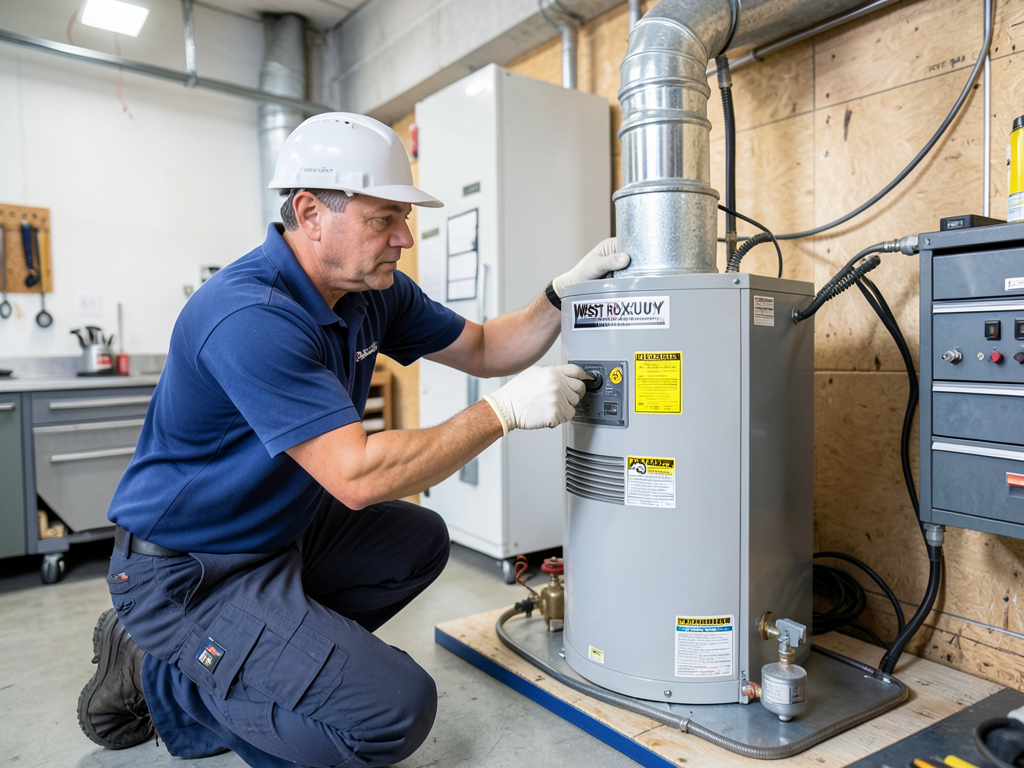
Professional installation ensures safety and efficiency. Gas heaters require proper venting to prevent carbon monoxide buildup, while electric units need dedicated circuits that won’t overload your existing panel. A licensed HVAC technician can calculate your exact heating needs, recommend the right unit size, and handle all permit requirements under the Massachusetts State Building Code. Finding the Right Ductless Mini Split for a Beacon Hill Brownstone.
The investment pays off through extended workshop use and tool protection. A quality garage heater typically costs $1,200-2,500 installed, with operating costs of $100-300 per winter depending on usage. Compare this to the cost of a portable electric heater that might struggle to keep up with Boston’s coldest days while creating a fire hazard from flammable workshop materials.
Gas vs Electric Garage Heaters: Which Works Best in West Roxbury
Choosing between gas and electric garage heating comes down to your specific situation. Natural gas heaters provide the most economical long-term solution for West Roxbury homes connected to gas service. These units deliver intense heat quickly and maintain consistent temperatures even during polar vortex conditions that occasionally hit the Boston area.
Electric infrared heaters offer advantages for smaller spaces or where gas isn’t available. They install easily without venting requirements and provide instant heat to objects rather than trying to warm cold air. This makes them ideal for spot heating work areas within larger garages. However, electricity costs in Massachusetts mean operating expenses run three times higher than comparable gas units.
Propane heaters serve as a middle ground option. They provide gas-like heating performance without requiring natural gas service, though propane costs more than natural gas. These units need proper ventilation and should never be used in enclosed spaces without adequate airflow.
Consider your workshop’s primary use when selecting a heater. Woodworkers benefit from electric units that don’t produce combustion byproducts that could affect finishes. Car enthusiasts might prefer gas heaters for their ability to quickly warm cold engines and tools. The key is matching the heating technology to your specific needs rather than choosing based solely on upfront cost.
West Roxbury’s climate zone 5 conditions demand reliable heating equipment. Look for units rated for cold climates with features like sealed combustion chambers that prevent moisture issues. High-efficiency models with 80%+ AFUE ratings cost more initially but save money over time through reduced fuel consumption.
BTU Requirements for Boston Area Garages
Calculating the right heating capacity prevents both under-heating and wasted energy. For West Roxbury garages, start with the basic formula: square footage times 40-45 BTUs per hour for uninsulated spaces. A 500 square foot garage needs 20,000-22,500 BTUs minimum. Add 10% for each of these conditions: high ceilings over 10 feet, multiple uninsulated windows, or frequent door openings.
Insulation dramatically affects heating requirements. A well-insulated garage might need only 25-30 BTUs per square foot, cutting your heating load by half. Check your garage’s current insulation by examining wall cavities and ceiling areas. Missing or compressed insulation indicates you need upgrades before selecting your heater size.
Temperature goals also impact BTU requirements. Maintaining 55 degrees costs significantly less than keeping the space at 65 degrees. Most workshop activities work fine at cooler temperatures, while car storage often requires only preventing freezing. Set realistic temperature goals to avoid oversizing your heating system.
Climate factors specific to West Roxbury include occasional sub-zero temperatures and high humidity during winter thaws. Your heater needs enough capacity to handle the worst conditions, not just average winter days. A unit sized for 20-degree days might struggle when temperatures drop to -5 degrees, leaving you with a cold workshop when you need it most.
Use this quick sizing guide for common West Roxbury garage configurations: One-car garage (250 sq ft) needs 10,000-12,000 BTUs. Two-car garage (500 sq ft) requires 20,000-25,000 BTUs. Three-car garage (750 sq ft) demands 30,000-35,000 BTUs. Add 3,000-5,000 BTUs for each uninsulated wall exposed to prevailing winds.
Installation Requirements and Building Codes
Massachusetts building codes govern garage heater installations to ensure safety and efficiency. The state requires permits for all new heating equipment, with specific requirements for gas line sizing, electrical circuits, and venting systems. West Roxbury falls under Boston inspection jurisdiction, which follows the Massachusetts State Building Code with local amendments.
Gas heater installations must comply with National Fuel Gas Code requirements for combustion air and venting. Units need sealed combustion chambers that draw air from outside rather than the garage interior. Vent pipes require specific clearances from combustible materials and must terminate at safe heights above potential snow accumulation levels. National Fuel Gas Code.
Electrical installations follow NEC Article 424 for fixed electric space heating equipment. Dedicated circuits with proper wire sizing prevent overloads, while GFCI protection may be required depending on the installation location. All electrical work must be performed by licensed electricians familiar with Massachusetts code requirements.
Clearance requirements protect against fire hazards. Gas heaters typically need 3 feet of clearance from stored items, while electric units may require less space but still need proper mounting heights to prevent accidental contact. Check manufacturer specifications and local codes before finalizing your installation plan.
Permitting ensures your installation meets all safety standards. The process includes plan review, inspections during installation, and final approval before use. Skipping permits risks fines and insurance issues if problems arise later. A qualified HVAC contractor handles permitting as part of professional installation services.
Cost Comparison: Operating Expenses in Massachusetts
Operating costs vary significantly between heating technologies in Massachusetts’ high electricity rate environment. Natural gas typically costs $0.80-1.20 per therm, with one therm equaling about 100,000 BTUs. Electric resistance heat costs around $0.28-0.32 per kilowatt-hour, with one kilowatt-hour producing about 3,400 BTUs.
Calculate your annual operating costs by multiplying your heater’s BTU rating by your estimated annual runtime hours, then dividing by the appropriate conversion factor for your fuel type. A 30,000 BTU natural gas heater running 500 hours per winter costs about $150-200 in fuel. The same capacity electric heater costs $400-500 for the same runtime.
Efficiency ratings affect actual operating costs. High-efficiency gas heaters with 90%+ AFUE ratings waste less fuel than standard units. While more expensive upfront, they often pay for themselves within 3-5 years through fuel savings. Electric heat pumps offer even better efficiency but may struggle in extreme cold without backup heat.
Maintenance costs add to long-term expenses. Gas heaters need annual cleaning and inspection to maintain efficiency and safety. Electric units require less maintenance but may need element replacement after several years of heavy use. Factor these costs into your total cost of ownership calculations.
Massachusetts utility rates change periodically, affecting operating costs. Check current rates from your provider when calculating expenses. National Grid and Eversource publish rate schedules that help you estimate monthly heating costs based on your usage patterns and the current energy market conditions.
Professional Installation vs DIY Considerations
Professional installation ensures your garage heater operates safely and efficiently. Licensed HVAC technicians understand Massachusetts code requirements, proper venting techniques, and electrical safety standards. They also carry insurance that protects you if installation problems arise later.
DIY installation might seem cost-effective but carries significant risks. Gas line connections require proper threading and leak testing that most homeowners cannot perform safely. Electrical work needs correct wire sizing and circuit protection that prevents fire hazards. Improper venting can lead to carbon monoxide poisoning, a serious health risk.
Professional installers bring specialized tools and experience. They use combustion analyzers to verify proper burner adjustment, manometers to check gas pressure, and thermal imaging cameras to identify heat loss areas. These diagnostic tools ensure optimal system performance that DIY installations typically cannot achieve.
Warranty coverage often requires professional installation. Most manufacturers void warranties if equipment isn’t installed by licensed contractors. This means DIY installations might save money initially but cost more if repairs become necessary during the warranty period.
Time considerations favor professional installation for most homeowners. What might take a DIYer several weekends of research and work, a professional team completes in one day with guaranteed results. The convenience and peace of mind often justify the additional installation cost.
Maintenance Tips for Year-Round Performance
Regular maintenance keeps your garage heater operating efficiently and safely. Annual professional service includes burner cleaning, heat exchanger inspection, and safety control testing. These checks prevent efficiency losses and identify potential problems before they cause system failures during critical cold periods.
Filter maintenance affects system performance. Gas heaters with air filters need monthly checks during heavy use periods. Dirty filters restrict airflow, reducing heating capacity and increasing operating costs. Replace filters according to manufacturer recommendations, typically every 1-3 months depending on workshop dust levels.
Venting systems require periodic inspection for obstructions or damage. Snow accumulation can block roof vents, while animal nests might obstruct sidewall terminations. Check vent clearances after major storms and ensure all vent caps remain securely attached and properly oriented.
Electrical connections benefit from occasional tightening and inspection. Loose connections cause voltage drops that reduce heating efficiency and create fire hazards. This maintenance task requires electrical knowledge, making it another reason to schedule annual professional service.
Thermostat calibration ensures accurate temperature control. A thermostat reading 5 degrees high causes the heater to run longer than necessary, wasting energy. Test thermostat accuracy with a separate thermometer and adjust or replace if readings differ significantly from actual temperatures.
Energy Efficiency and Insulation Strategies
Improving garage insulation reduces heating requirements and operating costs more effectively than upgrading to a slightly more efficient heater. Start with the largest heat loss areas: the garage door, ceiling, and walls. Insulated garage doors with R-values of 10-12 significantly reduce heat transfer compared to standard uninsulated doors. Upgrading Historic Back Bay Homes with Central Air (Without Ruining the Interior Walls).
Ceiling insulation provides the second biggest opportunity for energy savings. Most attached garages have rooms above them, making ceiling insulation crucial for preventing heat loss through the floor. R-30 insulation in the ceiling area typically pays for itself within one heating season through reduced fuel consumption.
Wall insulation upgrades depend on your garage’s construction. Older garages might have no insulation in exterior walls, while newer construction often includes at least R-13. Adding insulation to uninsulated walls costs $1-2 per square foot but can reduce heating requirements by 30% or more.
Air sealing prevents drafts that waste heated air. Caulk gaps around windows, doors, and where walls meet ceilings. Weatherstrip all doors including the entry door from your house if the garage is attached. These simple measures often reduce heating costs by 10-15% with minimal investment.
Consider radiant barriers in hot climates or for summer heat reduction. While primarily beneficial for cooling, they also help retain heat during winter months. Install radiant barriers on the underside of roof decks or in wall cavities where they reflect heat back into the garage space.. Read more about Troubleshooting a Frozen Pipe or Cooling Coil in Your West Roxbury Home Before It Bursts.
Safety Considerations for Workshop Heating
Workshop environments create unique safety challenges for heating equipment. Combustible materials like wood dust, paint fumes, and solvents require careful consideration when selecting and installing heaters. Gas units with sealed combustion chambers prevent fume ignition, while electric units eliminate combustion risks entirely.
Carbon monoxide detection becomes critical with any fuel-burning equipment. Install CO detectors at breathing height throughout your garage and in adjacent living spaces if the garage is attached. Test detectors monthly and replace batteries annually to ensure continuous protection.
Clearance requirements prevent fire hazards from stored materials. Keep all combustible items at least 3 feet from heating equipment, with additional clearance for items that generate dust or fumes. This includes workbenches, stored lumber, and finished projects in various stages of completion.
Electrical safety matters for both gas and electric heaters. Gas units need proper electrical connections for ignition systems and controls, while electric units require correctly sized circuits to prevent overloads. Never use extension cords with electric heaters, as they create fire hazards and violate electrical codes.
Emergency shutoff accessibility ensures you can quickly stop heating if problems arise. Locate emergency switches near all garage entrances and ensure they’re clearly marked and easily accessible. Test shutoff operation periodically to verify they function correctly when needed. How to Get Fast Emergency Furnace Repair in Dorchester This Winter.
Frequently Asked Questions
What size garage heater do I need for a two-car garage in West Roxbury?
A two-car garage typically needs 20,000-25,000 BTUs for basic heating, but this varies based on insulation and desired temperature. Poor insulation or high ceilings might require 30,000+ BTUs. Professional heat loss calculations provide the most accurate sizing for your specific situation.
Can I install a garage heater myself to save money?
DIY installation is not recommended due to safety and code requirements. Gas installations need proper venting and leak testing, while electrical work requires correct circuit sizing. Improper installation creates fire and carbon monoxide hazards. Professional installation ensures safety and often maintains warranty coverage.
How much does it cost to run a garage heater in Massachusetts?
Operating costs depend on fuel type and usage. Natural gas heaters cost about $0.50-0.75 per hour to operate, while electric resistance heat costs $1.50-2.00 per hour. Annual winter costs typically range from $100-300 for occasional use up to $500-800 for daily workshop heating.
Do I need a permit to install a garage heater in West Roxbury?
Yes, Massachusetts requires permits for all new heating equipment installations. The permitting process ensures compliance with building codes and safety standards. Professional HVAC contractors handle permitting as part of their installation services, including all required inspections and approvals.
What’s the most energy-efficient way to heat my garage workshop?
The most efficient approach combines proper insulation with appropriately sized heating equipment. Add R-13 insulation to walls, R-30 to ceilings, and seal air leaks before selecting your heater. This reduces heating requirements by 30-50%, allowing you to use smaller, less expensive equipment while cutting operating costs significantly.
- Calculate Your BTU Requirements
Measure your garage’s square footage and multiply by 40-45 BTUs for basic heating needs. Add 10% for each factor like high ceilings or poor insulation. This gives you the minimum heating capacity required.
- Choose Your Fuel Type
Natural gas offers lowest operating costs if available. Electric provides easier installation but costs three times more to operate. Propane works where gas isn’t available but costs more than natural gas.
- Check Installation Requirements
Verify gas line availability, electrical capacity, and venting options. Measure clearances for proper equipment placement. Ensure you can meet all building code requirements for your chosen installation method.
- Select High-Efficiency Equipment
Choose units with 80%+ AFUE ratings for gas heaters or energy-efficient electric models. Higher efficiency reduces operating costs and often qualifies for utility rebates or incentives.
- Schedule Professional Installation
Have a licensed HVAC contractor handle the installation to ensure safety, code compliance, and warranty protection. Professional installation includes proper setup, testing, and permit handling.
Ready to transform your cold garage into a comfortable year-round workshop? Don’t let another winter keep you out of your workspace. Call (617) 758-1599 today to schedule your inspection. Our West Roxbury HVAC experts will assess your space, recommend the perfect heating solution, and handle everything from permits to final installation. Pick up the phone and call (617) 758-1599 before the next cold snap hits – your workshop is waiting for you!
{
“@context”: “https://schema.org”,
“@type”: “BlogPosting”,
“headline”: “Keeping Your Workshop Warm with a Dedicated Garage Heater in West Roxbury”,
“description”: “Keep your West Roxbury workshop warm all winter with the right garage heater. Learn about gas vs electric options, BTU requirements, and professional installation.”,
“wordCount”: 2836,
“datePublished”: “2026-04-20T14:46:00.000Z”,
“dateModified”: “2026-04-20T14:46:00.000Z”,
“inLanguage”: “en-US”,
“mainEntityOfPage”: {
“@type”: “WebPage”,
“@id”: “https://titanhvacboston.com”
},
“publisher”: {
“@type”: “LocalBusiness”,
“name”: “Titan HVAC Boston”,
“url”: “https://titanhvacboston.com”
},
“author”: {
“@type”: “Organization”,
“name”: “Titan HVAC Boston”,
“url”: “https://titanhvacboston.com”
},
“image”: {
“@type”: “ImageObject”,
“url”: “https://titanhvacboston.com/wp-content/uploads/2026/03/keeping-your-workshop-warm-with-a-dedicated-garage-1.png”
}
}
{
“@context”: “https://schema.org”,
“@type”: “HVACBusiness”,
“name”: “Titan HVAC Boston”,
“url”: “https://titanhvacboston.com”,
“address”: {
“@type”: “PostalAddress”,
“addressLocality”: “Boston”
},
“areaServed”: {
“@type”: “City”,
“name”: “Boston”
}
}
{
“@context”: “https://schema.org”,
“@type”: “FAQPage”,
“mainEntity”: [
{
“@type”: “Question”,
“name”: “What size garage heater do I need for a two-car garage in West Roxbury?”,
“acceptedAnswer”: {
“@type”: “Answer”,
“text”: “A two-car garage typically needs 20,000-25,000 BTUs for basic heating, but this varies based on insulation and desired temperature. Poor insulation or high ceilings might require 30,000+ BTUs. Professional heat loss calculations provide the most accurate sizing for your specific situation.”
}
},
{
“@type”: “Question”,
“name”: “Can I install a garage heater myself to save money?”,
“acceptedAnswer”: {
“@type”: “Answer”,
“text”: “DIY installation is not recommended due to safety and code requirements. Gas installations need proper venting and leak testing, while electrical work requires correct circuit sizing. Improper installation creates fire and carbon monoxide hazards. Professional installation ensures safety and often maintains warranty coverage.”
}
},
{
“@type”: “Question”,
“name”: “How much does it cost to run a garage heater in Massachusetts?”,
“acceptedAnswer”: {
“@type”: “Answer”,
“text”: “Operating costs depend on fuel type and usage. Natural gas heaters cost about $0.50-0.75 per hour to operate, while electric resistance heat costs $1.50-2.00 per hour. Annual winter costs typically range from $100-300 for occasional use up to $500-800 for daily workshop heating.”
}
},
{
“@type”: “Question”,
“name”: “Do I need a permit to install a garage heater in West Roxbury?”,
“acceptedAnswer”: {
“@type”: “Answer”,
“text”: “Yes, Massachusetts requires permits for all new heating equipment installations. The permitting process ensures compliance with building codes and safety standards. Professional HVAC contractors handle permitting as part of their installation services, including all required inspections and approvals.”
}
},
{
“@type”: “Question”,
“name”: “What’s the most energy-efficient way to heat my garage workshop?”,
“acceptedAnswer”: {
“@type”: “Answer”,
“text”: “The most efficient approach combines proper insulation with appropriately sized heating equipment. Add R-13 insulation to walls, R-30 to ceilings, and seal air leaks before selecting your heater. This reduces heating requirements by 30-50%, allowing you to use smaller, less expensive equipment while cutting operating costs significantly.”
}
}
]
}
{
“@context”: “https://schema.org”,
“@type”: “HowTo”,
“name”: “How to Choose the Right Garage Heater”,
“step”: [
{
“@type”: “HowToStep”,
“position”: 1,
“name”: “Calculate Your BTU Requirements”,
“text”: “Measure your garage’s square footage and multiply by 40-45 BTUs for basic heating needs. Add 10% for each factor like high ceilings or poor insulation. This gives you the minimum heating capacity required.”
},
{
“@type”: “HowToStep”,
“position”: 2,
“name”: “Choose Your Fuel Type”,
“text”: “Natural gas offers lowest operating costs if available. Electric provides easier installation but costs three times more to operate. Propane works where gas isn’t available but costs more than natural gas.”
},
{
“@type”: “HowToStep”,
“position”: 3,
“name”: “Check Installation Requirements”,
“text”: “Verify gas line availability, electrical capacity, and venting options. Measure clearances for proper equipment placement. Ensure you can meet all building code requirements for your chosen installation method.”
},
{
“@type”: “HowToStep”,
“position”: 4,
“name”: “Select High-Efficiency Equipment”,
“text”: “Choose units with 80%+ AFUE ratings for gas heaters or energy-efficient electric models. Higher efficiency reduces operating costs and often qualifies for utility rebates or incentives.”
},
{
“@type”: “HowToStep”,
“position”: 5,
“name”: “Schedule Professional Installation”,
“text”: “Have a licensed HVAC contractor handle the installation to ensure safety, code compliance, and warranty protection. Professional installation includes proper setup, testing, and permit handling.”
}
],
“image”: “https://titanhvacboston.com/wp-content/uploads/2026/03/keeping-your-workshop-warm-with-a-dedicated-garage-1.png”
}
{
“@context”: “https://schema.org”,
“@type”: “BreadcrumbList”,
“itemListElement”: [
{
“@type”: “ListItem”,
“position”: 1,
“name”: “Home”,
“item”: “https://titanhvacboston.com”
},
{
“@type”: “ListItem”,
“position”: 2,
“name”: “Blog”,
“item”: “https://titanhvacboston.com/blog”
},
{
“@type”: “ListItem”,
“position”: 3,
“name”: “Keeping Your Workshop Warm with a Dedicated Garage Heater in West Roxbury”
}
]
}
{
“@context”: “https://schema.org”,
“@type”: “Service”,
“serviceType”: “HVAC”,
“provider”: {
“@type”: “LocalBusiness”,
“name”: “Titan HVAC Boston”,
“url”: “https://titanhvacboston.com”
},
“areaServed”: {
“@type”: “City”,
“name”: “Boston”
},
“description”: “Keep your West Roxbury workshop warm all winter with the right garage heater. Learn about gas vs electric options, BTU requirements, and professional installation.”
}