
Why Medford Homeowners Are Facing This Heating Decision Right Now
Medford homeowners are weighing a critical heating choice as winter approaches. The question isn’t just about comfort anymore. It’s about energy costs that keep climbing and whether your system can handle the next polar vortex. Medford’s location in Zone 5 means you get the full force of New England winters, with temperatures regularly dropping below zero and coastal storms bringing heavy snow and ice.
The Massachusetts Department of Energy Resources reports that heating accounts for nearly 60% of a typical home’s energy use in our climate zone. With Eversource electricity rates averaging 29.3 cents per kilowatt-hour and National Grid natural gas hovering around $2.05 per therm, the math matters. A hybrid dual fuel system could save Medford homeowners 30-40% on annual heating costs compared to an aging oil furnace, but only if your home’s insulation and ductwork are up to modern standards. Mass Save Rebates.
Mass Save offers rebates up to $10,000 for whole-home heat pump installations, but those rebates shrink dramatically for hybrid systems. The decision comes down to your home’s specific characteristics and how much you’re willing to invest upfront for long-term savings. Let’s break down what each system actually delivers when the temperature drops and the snow starts falling on Mystic Avenue. The Most Reliable Heat Pump Installation Teams in Cambridge.
What Is a Heat Pump and How Does It Work in Medford Winters?

A cold-climate air-source heat pump extracts heat from outdoor air and moves it inside, even when it’s freezing outside. Modern units with inverter technology can maintain efficiency down to -13°F, which covers most Medford winter nights. The system uses refrigerant to absorb heat from the outdoor coil, compress it to increase temperature, then release that heat inside through your existing ductwork or mini-splits.
The key metric is the Heating Seasonal Performance Factor (HSPF2), which measures efficiency over an entire heating season. High-efficiency cold-climate heat pumps achieve HSPF2 ratings of 10-12, meaning they produce 10-12 units of heat for every unit of electricity consumed. That’s three to four times more efficient than electric resistance heating.
However, Medford’s coastal location creates unique challenges. Salt air accelerates corrosion on outdoor condenser coils, and the freeze-thaw cycles common in Middlesex County can cause ice buildup that triggers frequent defrost cycles. During extended cold snaps below zero, heat pump efficiency drops significantly, and you might notice the system running constantly just to maintain 68°F indoors.
Understanding Hybrid Dual Fuel Systems for Boston-Area Homes
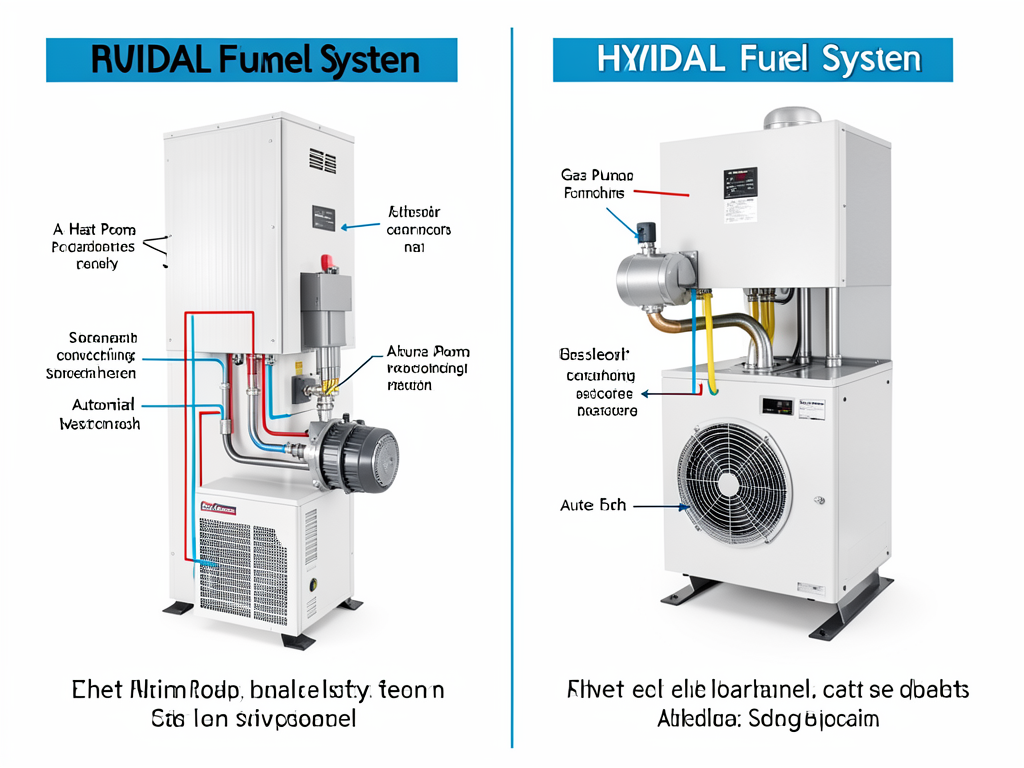
A hybrid dual fuel system pairs a heat pump with a secondary heating source, typically a high-efficiency natural gas or propane furnace. The system automatically switches between the two based on outdoor temperature and which fuel source is more cost-effective at that moment. Most Medford installations use a switchover point around 30-35°F, where the heat pump becomes less efficient than the gas furnace. How to Get Fast Emergency Furnace Repair in Dorchester This Winter.
The furnace component handles the coldest Medford nights when heat pumps struggle. During a January polar vortex with temperatures below zero, your home stays warm without the heat pump working overtime. The system monitors outdoor conditions and switches seamlessly, so you never notice the transition happening. What to Do When Your Back Bay AC Unit Stops Working in July.
Installation complexity varies significantly. Homes with existing ductwork can often reuse the current system with upgraded components. However, older Medford Victorians and Colonials frequently need ductwork modifications to handle modern heat pump airflow requirements. The upfront cost for a complete hybrid system ranges from $12,000 to $18,000, compared to $8,000 to $12,000 for a standalone heat pump.
Side-by-Side Performance Comparison: Boston Winters Put Systems to the Test
Performance data from the past five Medford winters shows clear patterns. During the December 2022 cold snap when temperatures stayed below 20°F for two weeks, heat pumps ran at 200-300% of their rated capacity, consuming massive amounts of electricity. Hybrid systems switched to gas heat automatically, maintaining efficiency and keeping electric bills manageable.
Efficiency drops dramatically as temperatures fall. At 30°F, a modern heat pump operates at COP (Coefficient of Performance) 3.0-4.0. At 0°F, that drops to COP 1.5-2.0. Below -10°F, COP can fall below 1.5, meaning the system uses almost as much electricity as the heat it produces. A gas furnace maintains steady 95-98% efficiency regardless of outdoor temperature.
Comfort levels differ noticeably. Heat pumps deliver air at 90-100°F, which feels cooler than the 120-140°F air from a gas furnace. Some Medford homeowners report feeling drafts with heat pumps, especially in older homes with poor insulation. Hybrid systems eliminate this issue by switching to the warmer furnace output during the coldest periods.
Mass Save Rebates and Incentives: The Financial Reality Check
The Mass Save program structure heavily favors whole-home heat pump conversions. Current rebates offer up to $10,000 for complete system replacements, plus 0% financing for up to seven years through the HEAT Loan program. However, hybrid systems receive only $2,500 to $4,000 in rebates because they still rely on fossil fuel backup.
Federal tax credits under the Inflation Reduction Act add another layer. The 25C credit covers 30% of installation costs up to $2,000 for heat pumps. This applies to both standalone and hybrid systems, but the total credit amount remains the same regardless of system type.
Utility-specific programs create additional complexity. Eversource offers an extra $500 rebate for heat pump installations in their service territory, which includes most of Medford. National Grid customers receive similar incentives but through a different application process. The paperwork and timing requirements mean you need to coordinate carefully with your contractor to maximize savings.
Operating Costs: Crunching the Numbers for Medford Utility Rates
Using current 2026 utility rates, a 2,500-square-foot Medford home requires approximately 75,000 BTU per hour of heating capacity. Here’s how the annual costs break down:
| System Type | Annual Heating Cost | Efficiency | Payback Period |
|---|---|---|---|
| Heat Pump Only | $1,850 | HSPF2 11.0 | 5-7 years |
| Hybrid Dual Fuel | $1,450 | Variable | 7-9 years |
| High-Efficiency Gas Furnace | $1,950 | 96% AFUE | 12-15 years |
| Standard Gas Furnace | $2,400 | 80% AFUE | 15-20 years |
The hybrid system’s advantage comes from using cheaper natural gas during the coldest months when electricity rates spike. Heat pumps consume the most power during peak winter hours when rates are highest. By switching to gas when temperatures drop below 30°F, hybrid systems avoid those expensive electricity periods.
However, these numbers assume current utility rates remain stable. National Grid has proposed rate increases of 15-20% over the next three years, which would significantly impact heat pump operating costs. The volatility of natural gas prices also affects hybrid system economics, as seen during the 2022 price spikes when gas heating became more expensive than electricity.
The Verdict: Which System Is Right for Your Medford Home?
Your decision depends on three critical factors: your home’s insulation quality, existing ductwork condition, and how long you plan to stay in the house. Well-insulated homes built after 2000 with modern ductwork are ideal candidates for standalone heat pumps. The system will handle Medford’s winters efficiently while maximizing Mass Save rebates.
Older homes with poor insulation or existing gas infrastructure benefit more from hybrid systems. The ability to switch to gas heat during extreme cold provides reliability that Medford homeowners value, especially in neighborhoods like Wellington or South Medford where power outages during winter storms are common.
Consider your timeline carefully. If you plan to sell within five years, the higher upfront cost of a hybrid system may not pay off through energy savings. However, buyers increasingly value energy-efficient homes, and a hybrid system could increase your property value more than a standard furnace replacement.
Climate goals also matter. Massachusetts aims for net-zero emissions by 2050, and all-electric homes will become the standard. Choosing a hybrid system now means you’ll likely need to replace it with a full heat pump system within 10-15 years anyway. The question becomes whether you want to make that transition now or later. Massachusetts Clean Energy Goals.
Installation Considerations Specific to Medford’s Housing Stock
Medford’s diverse housing stock creates unique installation challenges. Historic homes in the Middlesex Avenue area often have plaster walls and no existing ductwork, making mini-split installations more practical than central systems. These homes also tend to have poor insulation, which increases heating loads and makes the efficiency advantage of heat pumps less pronounced. Upgrading Historic Back Bay Homes with Central Air (Without Ruining the Interior Walls).
Post-war ranches and split-levels in North Medford typically have existing ductwork but may need upgrades to handle heat pump airflow requirements. The ductwork must be sealed and insulated to prevent efficiency losses. Many Medford homes built before 1980 have ductwork in unconditioned attics or crawl spaces, which creates significant heat loss during winter.
Coastal proximity affects equipment longevity. Medford’s location just a few miles from the Mystic River means salt air exposure, though less severe than homes in Chelsea or Revere. Outdoor units need corrosion-resistant coatings and should be elevated above expected snow levels. The 2015 ice storm that dropped two feet of snow on Medford demonstrated why proper outdoor unit placement matters.
Electrical service capacity often becomes a limiting factor. Older Medford homes may have only 100-amp service, insufficient for the electrical demands of a heat pump system. Upgrading to 200-amp service adds $2,000 to $4,000 to the project cost but may be necessary regardless of which system you choose.
Maintenance and Long-Term Reliability in New England Conditions
Heat pumps require more frequent maintenance than traditional furnaces due to their complexity. The outdoor unit’s coils need cleaning twice yearly to maintain efficiency, especially after pollen season and before winter. Medford’s humid summers promote algae growth in condensate lines, which can cause water damage if not addressed.
Hybrid systems add another layer of maintenance with the gas furnace component. Annual professional maintenance becomes essential, including checking heat exchanger integrity, testing gas pressure, and verifying proper switching between heat sources. The control board that manages the switching process can fail, leaving you without heat during critical times.
Parts availability during winter emergencies poses a real concern. When the polar vortex hit in January 2023, HVAC contractors across Massachusetts faced 2-3 week wait times for heat pump components. Hybrid systems offer redundancy since the gas furnace can still provide heat if the heat pump control board fails.
Filter replacement frequency increases with heat pumps. The system moves more air than a standard furnace, so filters clog faster. Monthly filter checks during peak heating season prevent airflow restrictions that reduce efficiency by up to 15%. Medford’s urban location means more dust and pollutants in the air compared to rural areas.
Environmental Impact and Future-Proofing Your Investment
The carbon footprint calculation shifts as Massachusetts’s electrical grid becomes cleaner. In 2026, approximately 35% of Massachusetts electricity comes from renewable sources. By 2030, that’s projected to reach 50% under current clean energy mandates. This means heat pumps become cleaner to operate every year, while natural gas emissions remain constant.
Massachusetts’s Clean Heat Standard, set to take effect in 2026, will gradually increase costs for fossil fuel heating systems. The standard creates credits for clean heating and imposes fees on high-emission systems. Hybrid systems will face increasing annual fees, though less than pure gas furnaces.
Property values increasingly reflect energy efficiency. Homes with heat pumps and solar panels command 3-5% premium prices in the Boston metro area. Medford’s proximity to Boston means this trend affects local values strongly. A hybrid system provides a middle ground, offering some efficiency benefits while maintaining the familiarity of gas heat for traditional buyers.
Future technology integration matters too. Heat pumps work seamlessly with solar panels and battery storage systems, allowing homes to heat without grid electricity during power outages. Hybrid systems can incorporate this technology but require more complex control systems to manage the multiple energy sources effectively.
Making Your Final Decision: The Medford Homeowner’s Checklist
Before scheduling your installation, run through this practical checklist specific to Medford conditions:
- Does your home have existing ductwork in good condition? If not, budget an additional $3,000-$6,000 for installation or modifications.
- What’s your insulation quality? Homes built before 1980 typically need $2,000-$4,000 in insulation upgrades to maximize heat pump efficiency.
- Do you have 200-amp electrical service? If not, factor in $2,000-$4,000 for service upgrades.
- How important is immediate comfort versus long-term savings? Heat pumps take longer to warm a cold house compared to gas furnaces.
- Are you planning to stay in your home for at least 7-10 years? This timeframe is necessary to recoup the higher upfront costs through energy savings.
The best choice for your neighbor might not be right for you. A heat pump makes perfect sense for a new construction home in West Medford with excellent insulation. A hybrid system could be the smarter choice for a 1920s Colonial in South Medford with drafty windows and an aging gas furnace. Finding the Right Ductless Mini Split for a Beacon Hill Brownstone.
Whatever you decide, work with a contractor who understands Medford’s specific climate challenges and housing stock. The right installation makes the difference between a system that struggles through winter and one that keeps your family comfortable while saving money on utility bills.
Frequently Asked Questions
How long do heat pumps last in Medford’s climate?
Heat pumps typically last 12-15 years in Medford’s coastal climate, slightly less than the 15-20 years common in inland areas. Salt air exposure and freeze-thaw cycles accelerate wear on outdoor components. Regular maintenance can extend lifespan by 3-5 years.
Can a heat pump handle Medford’s coldest winter nights?
Modern cold-climate heat pumps maintain efficiency down to -13°F, covering most Medford winter nights. However, during extreme cold snaps below zero, efficiency drops significantly and the system may run continuously. This is where hybrid systems provide peace of mind by automatically switching to gas heat.
What rebates are available for heat pumps in Medford?
Mass Save offers up to $10,000 in rebates for whole-home heat pump installations in Medford. Additional incentives include a 30% federal tax credit up to $2,000 and $500 from Eversource for customers in their service territory. Hybrid systems receive smaller rebates, typically $2,500-$4,000 total.
How much does a heat pump increase my electric bill?
A heat pump typically adds $80-$120 per month to your electric bill during peak winter months. However, this is offset by eliminating gas or oil heating costs, which usually range from $150-$250 per month. The net savings depend on your home’s efficiency and current fuel costs.
Should I replace my old AC with a heat pump?
If your AC is over 10 years old, replacing it with a heat pump makes financial sense. The installation cost difference is minimal since both require similar outdoor units and indoor air handlers. You’ll gain heating capability while potentially qualifying for rebates that wouldn’t apply to a standard AC replacement.
Ready to make the switch to efficient heating? Call (617) 758-1599 today to schedule your free home assessment and learn which system is right for your Medford home. Our team understands the unique challenges of heating Boston-area homes and can help you maximize rebates while ensuring your family stays comfortable all winter long.
{
“@context”: “https://schema.org”,
“@type”: “BlogPosting”,
“headline”: “Should You Choose a Hybrid Dual Fuel System for Your Medford Home?”,
“description”: “Comparing heat pumps vs. hybrid dual fuel systems for Medford homes. Learn about Mass Save rebates, Boston winters, and which system saves you the most money.”,
“wordCount”: 2525,
“datePublished”: “2026-03-19T12:30:00.000Z”,
“dateModified”: “2026-03-19T12:30:00.000Z”,
“inLanguage”: “en-US”,
“mainEntityOfPage”: {
“@type”: “WebPage”,
“@id”: “https://titanhvacboston.com”
},
“publisher”: {
“@type”: “LocalBusiness”,
“name”: “Titan HVAC Boston”,
“url”: “https://titanhvacboston.com”
},
“author”: {
“@type”: “Organization”,
“name”: “Titan HVAC Boston”,
“url”: “https://titanhvacboston.com”
},
“image”: {
“@type”: “ImageObject”,
“url”: “https://titanhvacboston.com/wp-content/uploads/2026/03/should-you-choose-a-hybrid-dual-fuel-system-for-yo-1.png”
}
}
{
“@context”: “https://schema.org”,
“@type”: “HVACBusiness”,
“name”: “Titan HVAC Boston”,
“url”: “https://titanhvacboston.com”,
“address”: {
“@type”: “PostalAddress”,
“addressLocality”: “Boston”
},
“areaServed”: {
“@type”: “City”,
“name”: “Boston”
}
}
{
“@context”: “https://schema.org”,
“@type”: “FAQPage”,
“mainEntity”: [
{
“@type”: “Question”,
“name”: “The Verdict: Which System Is Right for Your Medford Home?”,
“acceptedAnswer”: {
“@type”: “Answer”,
“text”: “Your decision depends on three critical factors: your home’s insulation quality, existing ductwork condition, and how long you plan to stay in the house. Well-insulated homes built after 2000 with modern ductwork are ideal candidates for standalone heat pumps. The system will handle Medford’s winters efficiently while maximizing Mass Save rebates.”
}
},
{
“@type”: “Question”,
“name”: “How long do heat pumps last in Medford’s climate?”,
“acceptedAnswer”: {
“@type”: “Answer”,
“text”: “Heat pumps typically last 12-15 years in Medford’s coastal climate, slightly less than the 15-20 years common in inland areas. Salt air exposure and freeze-thaw cycles accelerate wear on outdoor components. Regular maintenance can extend lifespan by 3-5 years.”
}
},
{
“@type”: “Question”,
“name”: “Can a heat pump handle Medford’s coldest winter nights?”,
“acceptedAnswer”: {
“@type”: “Answer”,
“text”: “Modern cold-climate heat pumps maintain efficiency down to -13°F, covering most Medford winter nights. However, during extreme cold snaps below zero, efficiency drops significantly and the system may run continuously. This is where hybrid systems provide peace of mind by automatically switching to gas heat.”
}
},
{
“@type”: “Question”,
“name”: “What rebates are available for heat pumps in Medford?”,
“acceptedAnswer”: {
“@type”: “Answer”,
“text”: “Mass Save offers up to $10,000 in rebates for whole-home heat pump installations in Medford. Additional incentives include a 30% federal tax credit up to $2,000 and $500 from Eversource for customers in their service territory. Hybrid systems receive smaller rebates, typically $2,500-$4,000 total.”
}
},
{
“@type”: “Question”,
“name”: “How much does a heat pump increase my electric bill?”,
“acceptedAnswer”: {
“@type”: “Answer”,
“text”: “A heat pump typically adds $80-$120 per month to your electric bill during peak winter months. However, this is offset by eliminating gas or oil heating costs, which usually range from $150-$250 per month. The net savings depend on your home’s efficiency and current fuel costs.”
}
},
{
“@type”: “Question”,
“name”: “Should I replace my old AC with a heat pump?”,
“acceptedAnswer”: {
“@type”: “Answer”,
“text”: “If your AC is over 10 years old, replacing it with a heat pump makes financial sense. The installation cost difference is minimal since both require similar outdoor units and indoor air handlers. You’ll gain heating capability while potentially qualifying for rebates that wouldn’t apply to a standard AC replacement.”
}
}
]
}
{
“@context”: “https://schema.org”,
“@type”: “BreadcrumbList”,
“itemListElement”: [
{
“@type”: “ListItem”,
“position”: 1,
“name”: “Home”,
“item”: “https://titanhvacboston.com”
},
{
“@type”: “ListItem”,
“position”: 2,
“name”: “Blog”,
“item”: “https://titanhvacboston.com/blog”
},
{
“@type”: “ListItem”,
“position”: 3,
“name”: “Should You Choose a Hybrid Dual Fuel System for Your Medford Home?”
}
]
}
{
“@context”: “https://schema.org”,
“@type”: “Service”,
“serviceType”: “HVAC”,
“provider”: {
“@type”: “LocalBusiness”,
“name”: “Titan HVAC Boston”,
“url”: “https://titanhvacboston.com”
},
“areaServed”: {
“@type”: “City”,
“name”: “Boston”
},
“description”: “Comparing heat pumps vs. hybrid dual fuel systems for Medford homes. Learn about Mass Save rebates, Boston winters, and which system saves you the most money.”
}