
How to Silence a Noisy AC Unit on Your South End Roof Deck
Living in the South End means enjoying historic charm and vibrant city life but also dealing with the challenges of dense urban living. If your rooftop air conditioner sounds like a jet engine every time it kicks on, you’re not alone. The good news is that you can take concrete steps to reduce that noise and reclaim your outdoor space. Upgrading Historic Back Bay Homes with Central Air (Without Ruining the Interior Walls).
South End roof decks are popular for entertaining and relaxing, but a loud AC unit can ruin the ambiance. Before you consider replacing the entire system, there are several proven methods to quiet your existing unit or choose a replacement that operates at whisper-quiet levels.
Understanding AC Noise Levels and Why They Matter in the South End
Air conditioning units produce sound measured in decibels (dB). For context, a quiet library is about 40 dB, normal conversation is around 60 dB, and a vacuum cleaner hits about 70 dB. Many older AC units operate at 70-80 dB, which is disruptive on a small South End roof deck where neighbors are just feet away.
The South End falls under Boston’s strict noise ordinances. According to Boston’s Noise Control Regulations, Article 16 of the Boston Municipal Code, outdoor equipment noise cannot exceed 70 dB between 7 AM and 10 PM when measured at the property line. Violations can result in fines and mandatory equipment modifications. Boston’s Noise Control Regulations.
| Sound Level | Common Comparison | AC Unit Rating |
|---|---|---|
| 20-30 dB | Whisper, rustling leaves | Modern inverter mini-splits |
| 40-50 dB | Refrigerator hum, light rain | High-efficiency central AC |
| 60-70 dB | Normal conversation, dishwasher | Standard older units |
| 70-80 dB | Vacuum cleaner, busy street | Older, inefficient units |
5 Proven Methods to Quiet Your Existing AC Unit
- Install Vibration Isolation Pads
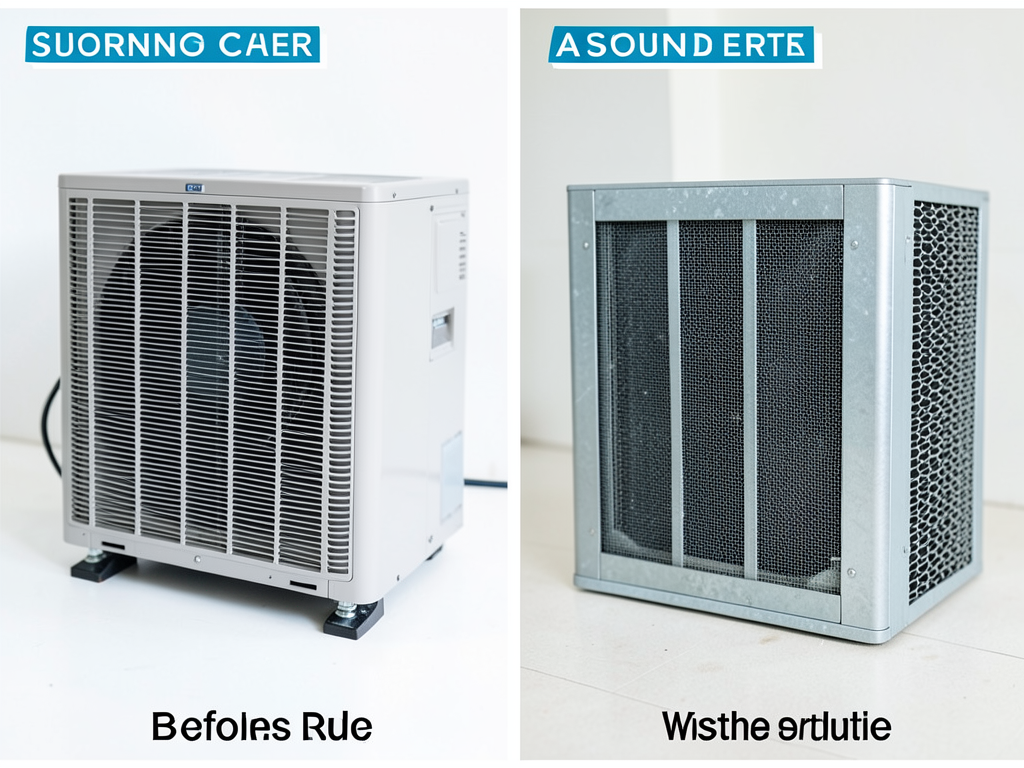
Most AC noise comes from vibration transfer to the roof structure. Install rubber or spring isolation pads under the compressor. This simple upgrade can reduce noise transmission by 50% or more.
- Add a Sound Blanket or Acoustic Shield
Wrap the compressor with a sound-dampening blanket specifically designed for HVAC equipment. These blankets can reduce airborne noise by 3-5 dB, which is noticeable to the human ear.
- Build a Sound Barrier
Construct a three-sided acoustic enclosure around the unit using sound-absorbing materials. Leave proper ventilation space and access for maintenance. This can reduce noise levels by 10-15 dB.
- Check and Tighten All Components
Loose panels, fan blades, or mounting brackets create rattling noises. A technician can tighten everything and lubricate moving parts to eliminate these sounds.
- Clean or Replace the Fan Blades
Dirty or damaged fan blades create turbulence and excess noise. Cleaning or replacing them can significantly reduce operational sound.
Choosing a New Quiet AC System for Your South End Roof Deck
If your current unit is over 10 years old or the noise reduction methods don’t provide sufficient improvement, consider replacing it with a modern, quiet system. Here are the top options for South End roof decks:
1. Ductless Mini-Split Systems
Ductless mini-splits are ideal for South End roof decks because they separate the noisy compressor from the indoor space. The outdoor unit can be placed on the roof while the indoor unit mounts on an interior wall or ceiling.
Modern mini-splits like Mitsubishi’s FH Series or Daikin’s Quaternity line operate at 19-25 dB indoors and 50-60 dB outdoors. That’s quieter than a library inside and about as loud as light rain outside.
2. Variable-Speed Inverter Technology
Traditional AC units run at full power or not at all, creating loud on/off cycling. Inverter technology varies compressor speed continuously, maintaining temperature while operating at much lower sound levels. Benefits of Inverter Technology.
Units with variable-speed compressors can reduce noise by 40-60% compared to single-stage models while also cutting energy consumption by 30-50%.
3. Low-Noise Outdoor Units
Some manufacturers design outdoor units specifically for noise-sensitive environments. These units feature larger, slower-turning fans, sound-dampening cabinets, and optimized compressor mounts.
Look for units rated at 50-55 dB or lower for outdoor operation. This is about as loud as a quiet office or light rainfall.
Installation Considerations for South End Roof Decks
South End buildings present unique installation challenges. Many are historic brownstones with limited roof access, old electrical systems, and strict building codes. The Most Reliable Heat Pump Installation Teams in Cambridge.
According to the Boston Inspectional Services Department, any roof-mounted equipment must meet structural load requirements and cannot obstruct emergency access. You’ll need proper permits and possibly approval from your condo association or landlord. How to Get Fast Emergency Furnace Repair in Dorchester This Winter.
The South End’s dense urban environment means careful consideration of neighbor impact. Units should be positioned to direct noise away from adjacent properties and windows. Sound barriers may be required by your condo association.
Mass Save Rebates for Quiet, Efficient AC Systems
Massachusetts offers significant rebates through the Mass Save program for installing high-efficiency HVAC equipment. These rebates can offset 20-40% of the installation cost. Mass Save energy efficiency program.
For AC systems, you can receive rebates for units with SEER2 ratings of 16 or higher. Many quiet inverter systems qualify for the maximum rebate amount. Additionally, electric utilities offer further incentives for replacing older, inefficient units.
The Mass Save program requires that all installations be performed by certified contractors who can verify proper sizing and installation. This ensures you get both the rebate and optimal performance.
Common AC Noise Problems and Their Solutions
Different noises indicate different problems. Here’s how to diagnose and fix common AC sounds:
- Rattling or Banging: Usually loose components, debris in the unit, or failing motor mounts. Solution: Tighten all hardware and clean the interior.
- Clicking: Often electrical issues like failing capacitors or relays. Solution: Professional electrical inspection and component replacement.
- Hissing: Can indicate refrigerant leaks or high-pressure issues. Solution: Professional leak detection and repair.
- Screeching or Squealing: Typically worn bearings in the fan motor or compressor. Solution: Bearing replacement or motor replacement.
- Vibration Thumping: Usually improper mounting or unbalanced fan blades. Solution: Proper leveling and balance adjustment.
When to Call a Professional HVAC Technician
While some noise reduction steps are DIY-friendly, certain situations require professional expertise:
Call a technician if: The unit is over 10 years old, makes unusual sounds, isn’t cooling properly, or if you’re unsure about electrical or structural modifications. Professional installation ensures proper sizing, efficient operation, and compliance with Boston codes.
Professional technicians can also perform sound level testing to verify that your modifications meet local noise ordinances. They have specialized equipment to measure dB levels accurately and identify specific noise sources.
Cost Considerations for Quiet AC Solutions
Sound reduction costs vary widely depending on your approach. Basic vibration pads cost $50-100, while professional sound barrier installation runs $500-2,000. A complete system replacement with a quiet inverter mini-split typically costs $3,000-7,000 installed.
Factor in potential Mass Save rebates of $500-1,500 for high-efficiency units. Over time, the energy savings from efficient systems often pay for the upgrade within 3-5 years.
Consider the cost of not addressing the noise: potential neighbor complaints, HOA fines, and reduced quality of life on your roof deck during Boston’s precious summer months.
Maintaining Your Quiet AC System
Once you’ve achieved a quiet AC system, regular maintenance keeps it that way. Schedule annual professional maintenance to clean coils, check refrigerant levels, and tighten all components.
Between professional visits, keep the area around the outdoor unit clear of debris, ensure proper drainage, and listen for any new unusual sounds that might indicate developing problems.
Clean or replace air filters every 1-3 months depending on usage and air quality. Dirty filters force the system to work harder, increasing noise and reducing efficiency.
Enjoying Your South End Roof Deck Again
A quiet AC system transforms your roof deck from a noisy utility space into a peaceful outdoor retreat. You can finally enjoy morning coffee, evening cocktails, or dinner parties without the constant drone of your air conditioner.
South End summers are short but intense. Don’t let a noisy AC unit rob you of the enjoyment of your outdoor space during the few months when Boston weather is perfect for rooftop living.
With the right approach, you can have both cool comfort and peaceful quiet on your South End roof deck. Whether through simple modifications or a complete system upgrade, the solution is within reach. Finding the Right Ductless Mini Split for a Beacon Hill Brownstone.
Frequently Asked Questions
How much noise reduction can I expect from sound blankets?
Sound blankets typically reduce airborne noise by 3-5 dB, which is noticeable to the human ear. For every 10 dB reduction, the perceived noise level is cut in half.
Are ductless mini-splits allowed on South End roof decks?
Yes, but you’ll need proper permits from the Boston Inspectional Services Department and possibly approval from your condo association. The units must meet structural load requirements and cannot obstruct emergency access.
How do I know if my AC is too loud under Boston noise ordinances?
Boston’s noise ordinance limits outdoor equipment to 70 dB between 7 AM and 10 PM at the property line. If neighbors complain or you can hear the unit clearly from adjacent properties, it’s likely too loud.
What’s the most cost-effective way to quiet my AC?
Start with vibration isolation pads and sound blankets, which cost under $200 total. If these don’t provide sufficient reduction, consider professional sound barrier installation before replacing the entire unit.
How long does professional AC noise reduction take?
Simple modifications like installing vibration pads take 1-2 hours. Sound barrier construction typically requires 4-8 hours. Complete system replacement usually takes 1-2 days including electrical work and testing.

Ready to Enjoy a Quiet Roof Deck This Summer?
Don’t let another summer pass with a noisy AC ruining your outdoor space. Call (617) 758-1599 today to schedule a free noise assessment and get a customized quiet AC solution for your South End roof deck. Our experienced technicians understand the unique challenges of Boston’s historic buildings and can recommend the most effective, code-compliant solutions.
Pick up the phone and call (617) 758-1599 before the next heat wave hits. We’ll help you reclaim your peaceful outdoor space and enjoy quiet comfort all summer long.
{
“@context”: “https://schema.org”,
“@type”: “BlogPosting”,
“headline”: “How to Silence a Noisy AC Unit on Your South End Roof Deck”,
“description”: “Tired of AC noise ruining your South End roof deck? Learn proven strategies to quiet your unit, from vibration pads to ductless upgrades, and enjoy peaceful summer evenings.”,
“wordCount”: 1715,
“datePublished”: “2026-03-21T15:49:00.000Z”,
“dateModified”: “2026-03-21T15:49:00.000Z”,
“inLanguage”: “en-US”,
“mainEntityOfPage”: {
“@type”: “WebPage”,
“@id”: “https://titanhvacboston.com”
},
“publisher”: {
“@type”: “LocalBusiness”,
“name”: “Titan HVAC Boston”,
“url”: “https://titanhvacboston.com”
},
“author”: {
“@type”: “Organization”,
“name”: “Titan HVAC Boston”,
“url”: “https://titanhvacboston.com”
},
“image”: {
“@type”: “ImageObject”,
“url”: “https://titanhvacboston.com/wp-content/uploads/2026/03/how-to-silence-a-noisy-ac-unit-on-your-south-end-r-1.png”
}
}
{
“@context”: “https://schema.org”,
“@type”: “HVACBusiness”,
“name”: “Titan HVAC Boston”,
“url”: “https://titanhvacboston.com”,
“address”: {
“@type”: “PostalAddress”,
“addressLocality”: “Boston”
},
“areaServed”: {
“@type”: “City”,
“name”: “Boston”
}
}
{
“@context”: “https://schema.org”,
“@type”: “FAQPage”,
“mainEntity”: [
{
“@type”: “Question”,
“name”: “How much noise reduction can I expect from sound blankets?”,
“acceptedAnswer”: {
“@type”: “Answer”,
“text”: “Sound blankets typically reduce airborne noise by 3-5 dB, which is noticeable to the human ear. For every 10 dB reduction, the perceived noise level is cut in half.”
}
},
{
“@type”: “Question”,
“name”: “Are ductless mini-splits allowed on South End roof decks?”,
“acceptedAnswer”: {
“@type”: “Answer”,
“text”: “Yes, but you’ll need proper permits from the Boston Inspectional Services Department and possibly approval from your condo association. The units must meet structural load requirements and cannot obstruct emergency access.”
}
},
{
“@type”: “Question”,
“name”: “How do I know if my AC is too loud under Boston noise ordinances?”,
“acceptedAnswer”: {
“@type”: “Answer”,
“text”: “Boston’s noise ordinance limits outdoor equipment to 70 dB between 7 AM and 10 PM at the property line. If neighbors complain or you can hear the unit clearly from adjacent properties, it’s likely too loud.”
}
},
{
“@type”: “Question”,
“name”: “What’s the most cost-effective way to quiet my AC?”,
“acceptedAnswer”: {
“@type”: “Answer”,
“text”: “Start with vibration isolation pads and sound blankets, which cost under $200 total. If these don’t provide sufficient reduction, consider professional sound barrier installation before replacing the entire unit.”
}
},
{
“@type”: “Question”,
“name”: “How long does professional AC noise reduction take?”,
“acceptedAnswer”: {
“@type”: “Answer”,
“text”: “Simple modifications like installing vibration pads take 1-2 hours. Sound barrier construction typically requires 4-8 hours. Complete system replacement usually takes 1-2 days including electrical work and testing.”
}
},
{
“@type”: “Question”,
“name”: “Ready to Enjoy a Quiet Roof Deck This Summer?”,
“acceptedAnswer”: {
“@type”: “Answer”,
“text”: “Don’t let another summer pass with a noisy AC ruining your outdoor space. Call (617) 758-1599 today to schedule a free noise assessment and get a customized quiet AC solution for your South End roof deck. Our experienced technicians understand the unique challenges of Boston’s historic buildings and can recommend the most effective, code-compliant solutions.”
}
}
]
}
{
“@context”: “https://schema.org”,
“@type”: “HowTo”,
“name”: “How to Quiet Your Existing AC Unit”,
“step”: [
{
“@type”: “HowToStep”,
“position”: 1,
“name”: “Install Vibration Isolation Pads”,
“text”: “Most AC noise comes from vibration transfer to the roof structure. Install rubber or spring isolation pads under the compressor. This simple upgrade can reduce noise transmission by 50% or more.”
},
{
“@type”: “HowToStep”,
“position”: 2,
“name”: “Add a Sound Blanket or Acoustic Shield”,
“text”: “Wrap the compressor with a sound-dampening blanket specifically designed for HVAC equipment. These blankets can reduce airborne noise by 3-5 dB, which is noticeable to the human ear.”
},
{
“@type”: “HowToStep”,
“position”: 3,
“name”: “Build a Sound Barrier”,
“text”: “Construct a three-sided acoustic enclosure around the unit using sound-absorbing materials. Leave proper ventilation space and access for maintenance. This can reduce noise levels by 10-15 dB.”
},
{
“@type”: “HowToStep”,
“position”: 4,
“name”: “Check and Tighten All Components”,
“text”: “Loose panels, fan blades, or mounting brackets create rattling noises. A technician can tighten everything and lubricate moving parts to eliminate these sounds.”
},
{
“@type”: “HowToStep”,
“position”: 5,
“name”: “Clean or Replace the Fan Blades”,
“text”: “Dirty or damaged fan blades create turbulence and excess noise. Cleaning or replacing them can significantly reduce operational sound.”
}
],
“image”: “https://titanhvacboston.com/wp-content/uploads/2026/03/how-to-silence-a-noisy-ac-unit-on-your-south-end-r-1.png”
}
{
“@context”: “https://schema.org”,
“@type”: “BreadcrumbList”,
“itemListElement”: [
{
“@type”: “ListItem”,
“position”: 1,
“name”: “Home”,
“item”: “https://titanhvacboston.com”
},
{
“@type”: “ListItem”,
“position”: 2,
“name”: “Blog”,
“item”: “https://titanhvacboston.com/blog”
},
{
“@type”: “ListItem”,
“position”: 3,
“name”: “How to Silence a Noisy AC Unit on Your South End Roof Deck”
}
]
}
{
“@context”: “https://schema.org”,
“@type”: “Service”,
“serviceType”: “HVAC”,
“provider”: {
“@type”: “LocalBusiness”,
“name”: “Titan HVAC Boston”,
“url”: “https://titanhvacboston.com”
},
“areaServed”: {
“@type”: “City”,
“name”: “Boston”
},
“description”: “Tired of AC noise ruining your South End roof deck? Learn proven strategies to quiet your unit, from vibration pads to ductless upgrades, and enjoy peaceful summer evenings.”
}