
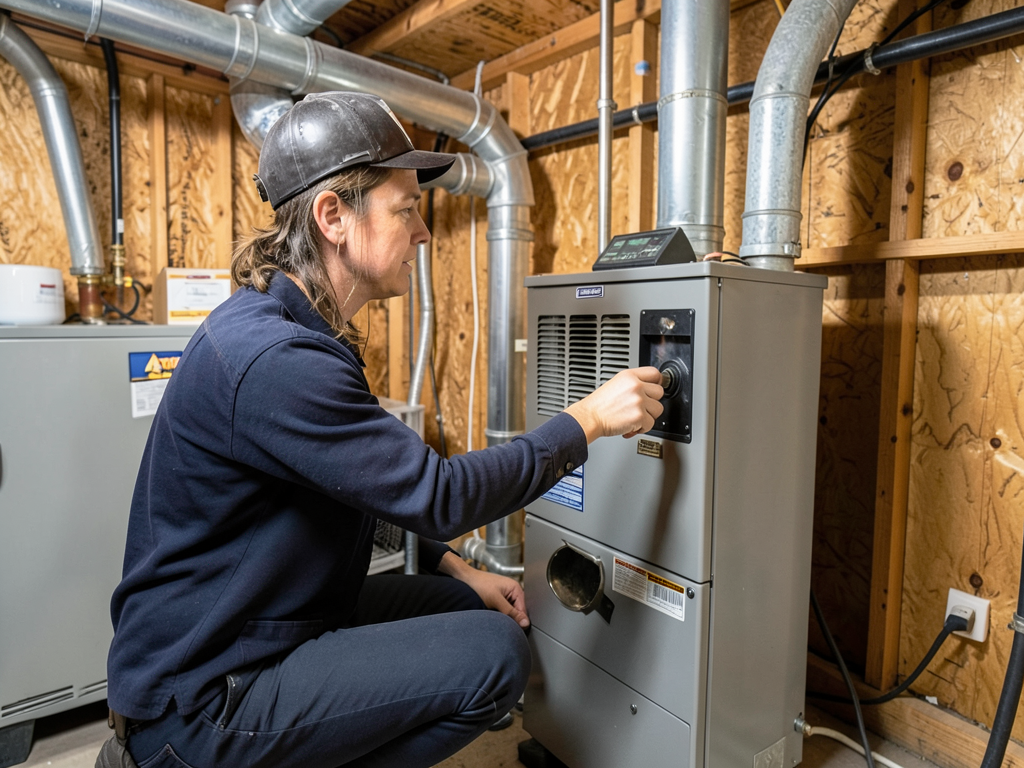
Affordable Furnace Tune-Ups for Homeowners in Mattapan and Hyde Park
Winter in Boston means freezing temperatures and heavy snowfall that can put your furnace to the test. If you live in Mattapan or Hyde Park, your home’s heating system faces unique challenges from older construction and Boston’s harsh climate. A professional furnace tune-up now can prevent mid-winter breakdowns and keep your energy bills under control. How to Get Fast Emergency Furnace Repair in Dorchester This Winter.
Your furnace works hardest during Boston’s coldest months when temperatures regularly drop below freezing. The older housing stock in Mattapan and Hyde Park means many systems are running on borrowed time. A thorough tune-up catches small problems before they become expensive emergency repairs during a January cold snap.
Why Mattapan Homeowners Need Fall Furnace Maintenance
The combination of Boston’s coastal climate and Mattapan’s aging housing stock creates perfect conditions for furnace problems. Many homes in the area were built between 1920 and 1960 with original heating systems still in place. These systems face constant stress from freeze-thaw cycles that cause metal components to expand and contract.
Mattapan’s proximity to the Neponset River means higher humidity levels that can cause corrosion in furnace heat exchangers. The area’s mix of triple-deckers and single-family homes often have ductwork that hasn’t been cleaned in decades, reducing efficiency and air quality.
Local building codes require annual maintenance for gas furnaces to ensure safe operation. The Massachusetts State Building Code Section 780 CMR mandates that all fuel-burning appliances receive professional inspection and cleaning to prevent carbon monoxide leaks. Mass Save rebates.
Our Comprehensive Mattapan Furnace Tune-Up Checklist
Our technicians follow a detailed 21-point inspection process specifically designed for Boston’s climate and housing stock. Each step addresses the unique challenges faced by Mattapan and Hyde Park homeowners.
- Safety System Testing
We test all safety switches, including the high-limit switch and flame rollout sensors. Boston code requires these systems to shut down within 30 seconds of detecting a problem.
- Heat Exchanger Inspection
We use a borescope to examine the heat exchanger for cracks that could leak carbon monoxide. Even small cracks can grow rapidly in Boston’s temperature extremes.
- Blower Motor Service
We clean and lubricate the blower motor, checking amperage draw against manufacturer specifications. High amperage indicates bearing wear that could cause failure.
- Gas Pressure Calibration
We verify gas pressure meets manufacturer specs. Low pressure reduces efficiency while high pressure wastes fuel and stresses components.
- Combustion Analysis
We test flue gases for proper CO2 and O2 levels. The ideal ratio ensures complete combustion and prevents dangerous carbon monoxide production.
- Filter Replacement
We install a new high-efficiency filter matched to your system’s airflow requirements.
- Thermostat Calibration
We verify thermostat accuracy within 1 degree of actual room temperature.
- Electrical Connection Check
We tighten all connections and test voltage drop across the system.
- Vent Pipe Inspection
We check vent pipes for corrosion, proper slope, and secure connections.
- Ignition System Service
We clean and test the igniter, whether it’s a standing pilot or electronic ignition.
- Belt Tension Adjustment
We check and adjust blower belt tension if applicable.
- Ductwork Inspection
We examine accessible ductwork for leaks, proper insulation, and secure connections.
- Airflow Measurement
We measure static pressure across the system to ensure proper airflow.
- Condensate Drain Cleaning
We clear the condensate drain line to prevent water damage and system shutdown.
- Gas Valve Operation
We test the gas valve for proper opening and closing.
- Limit Switch Testing
We verify all limit switches operate within manufacturer specifications.
- Pressure Switch Check
We test the pressure switch that ensures proper venting before allowing ignition.
- Flame Sensor Cleaning
We clean the flame sensor to ensure reliable ignition. The Most Reliable Heat Pump Installation Teams in Cambridge.
- Control Board Inspection
We check for signs of overheating or component failure on the control board.
- Carbon Monoxide Testing
We use a calibrated CO detector to verify no dangerous gases are present.
- Final System Test
We run the system through a complete heating cycle to verify all components work together properly.
Signs Your Furnace Needs a Tune-Up Before the First Frost
Many homeowners wait until their furnace fails completely before calling for service. This approach often leads to emergency repairs during the coldest nights of the year. Watch for these warning signs that indicate your system needs attention now.
Strange noises coming from your furnace should never be ignored. A squealing sound often indicates failing bearings in the blower motor. Rattling noises might mean loose panels or failing components. Banging sounds when the system starts could signal delayed ignition, a serious safety hazard.
Rising energy bills without increased usage suggest your furnace is losing efficiency. As components wear out, the system must run longer to produce the same amount of heat. This increased runtime drives up your utility costs significantly.
Uneven heating throughout your home indicates airflow problems. Some rooms may be too hot while others remain cold. This imbalance often results from dirty filters, blocked ducts, or failing blower motors that can’t move enough air.
A yellow or flickering pilot light signals combustion problems. The flame should burn steady and blue. Yellow flames indicate incomplete combustion that produces carbon monoxide and wastes fuel.
Frequent cycling on and off suggests the system can’t maintain temperature properly. This short cycling wastes energy and stresses components, leading to premature failure.
Service Area: From Mattapan Square to Lower Mills
We provide furnace tune-up services throughout Mattapan and Hyde Park, including all the neighborhoods and landmarks that make these areas unique. Our technicians know the specific challenges of each street and housing type.
Along Blue Hill Avenue, we service the mix of older single-family homes and multi-unit buildings that require different maintenance approaches. The area’s higher humidity levels mean more frequent condensate drain cleaning is necessary.. Read more about Expert Boiler Maintenance to Keep Your Roxbury Home Warm All Winter.
In the Cummins Highway corridor, many homes feature original gravity-fed heating systems that need special attention. These older systems often have inadequate return air pathways that reduce efficiency.
The area near Mattapan Square includes many triple-deckers with shared heating systems. These buildings require careful balancing of airflow between units to ensure even heating throughout the structure.
Near the Dorchester/Milton border, we service homes with oil furnaces that require different maintenance than gas systems. Oil systems need more frequent nozzle cleaning and fuel filter replacement.
The Lower Mills area features many historic homes with steam radiators that need specialized maintenance. These systems require careful pressure testing and valve inspection to prevent water damage. Upgrading Historic Back Bay Homes with Central Air (Without Ruining the Interior Walls).
Energy Efficiency Benefits of Professional Maintenance
A well-maintained furnace can reduce your heating costs by 15-20% compared to a neglected system. This savings adds up quickly during Boston’s long heating season, which typically runs from October through April.
Clean burners and heat exchangers improve combustion efficiency, meaning more of your fuel’s energy becomes usable heat. Dirty components force the system to burn more fuel to produce the same warmth.
Proper airflow reduces the system’s runtime needed to reach your desired temperature. When filters are clean and ducts are clear, your furnace doesn’t have to work as hard to distribute heat throughout your home.
Optimized gas pressure ensures the burner operates at peak efficiency. Too much or too little gas pressure wastes fuel and can damage components.
Tight electrical connections prevent voltage drops that reduce motor efficiency. Loose connections create resistance that forces motors to draw more current.
Clean sensors and controls prevent unnecessary cycling that wastes energy. A properly calibrated system maintains temperature without constant on-off operation.
Safety Considerations for Boston Homeowners
Carbon monoxide poisoning is a serious risk with malfunctioning furnaces. The CDC reports that heating equipment is involved in 1 in 7 home fires and causes hundreds of deaths annually from CO poisoning. CDC carbon monoxide information.
Boston’s building code requires carbon monoxide detectors on every level of residential buildings. However, detectors only alert you after CO levels become dangerous. Prevention through proper maintenance is far safer.
Heat exchanger cracks often develop slowly and may not be visible without specialized equipment. These cracks can allow carbon monoxide to enter your living space without any obvious warning signs.
Improper venting can cause dangerous gases to back up into your home. Blocked or corroded vent pipes may prevent proper exhaust of combustion products.
Electrical problems in furnaces can create fire hazards. Loose connections generate heat that can ignite nearby combustible materials.
Gas leaks, while rare with modern systems, can be catastrophic. Our technicians use gas detectors to verify all connections are secure and leak-free.
Mass Save Rebates and Energy Incentives
Massachusetts residents can take advantage of Mass Save programs that offer rebates for heating system maintenance and upgrades. These programs are funded by utility companies to promote energy efficiency.
Many utility companies offer rebates for professional furnace tune-ups that include combustion analysis and efficiency testing. These rebates can offset a significant portion of maintenance costs.. Read more about Professional Whole-House Humidifier Installation for West Roxbury Families.
Homeowners who upgrade to high-efficiency furnaces may qualify for substantial rebates through Mass Save. Current incentives can cover up to $2,000 of the cost of a new high-efficiency system.
Energy audits through Mass Save can identify additional ways to reduce heating costs. These comprehensive assessments often reveal insulation gaps and air leaks that waste energy.
Low-income residents may qualify for enhanced incentives through the Income Eligible Program. This program offers free energy efficiency improvements to qualifying households.
Commercial properties in Mattapan and Hyde Park can access custom rebates for energy-efficient upgrades through the Mass Save Direct Install program.
Emergency vs. Preventative Maintenance Timeline
The best time for furnace maintenance is early fall, before heating season begins. This timing allows you to address any issues before you need heat daily.
Emergency repairs during winter often cost 30-50% more than scheduled maintenance. Emergency service calls also mean waiting times can extend to several hours or even days during peak demand.
Preventative maintenance typically takes 60-90 minutes and can be scheduled at your convenience. Emergency repairs might require you to be home immediately and can disrupt your entire day.
Fall maintenance gives you time to budget for any necessary repairs. Emergency repairs often require immediate payment and may not fit your financial planning.
During maintenance, technicians can identify parts that are wearing out but not yet failed. This allows you to replace them on your schedule rather than during a cold snap.
Regular maintenance extends your furnace’s lifespan by 3-5 years on average. This delay in replacement costs can save thousands of dollars over the life of your home.
Comparing Furnace Types and Maintenance Needs
| Furnace Type | Maintenance Frequency | Typical Lifespan | Energy Efficiency |
|---|---|---|---|
| Gas (80% AFUE) | Annual | 15-20 years | Standard |
| Gas (90%+ AFUE) | Annual | 15-25 years | High |
| Oil | Semi-annual | 20-30 years | Lower |
| Electric | Annual | 20-30 years | Variable |
Gas furnaces remain the most common in Mattapan and Hyde Park due to existing infrastructure and lower operating costs. However, oil furnaces persist in older homes where gas lines weren’t installed.
High-efficiency furnaces (90% AFUE and above) require more precise maintenance but offer significant energy savings. These systems have secondary heat exchangers that need careful cleaning to maintain efficiency.
Oil furnaces need more frequent filter changes and nozzle cleaning due to the nature of fuel oil. The annual maintenance should occur before the heating season and again mid-winter for optimal performance.
Electric furnaces have fewer moving parts but still benefit from annual maintenance to ensure safe and efficient operation. The heating elements should be tested for proper resistance and the blower motor serviced.
DIY Maintenance Between Professional Visits
While professional maintenance is essential, homeowners can take several steps to keep their furnace running efficiently between service visits. These simple tasks can extend the life of your system and improve performance.
Replace your furnace filter every 1-3 months depending on your home’s dust levels and whether you have pets. A dirty filter forces your system to work harder and reduces efficiency.
Keep the area around your furnace clear of stored items. Furnaces need proper airflow for safe operation, and clutter can create fire hazards.
Check your carbon monoxide detectors monthly and replace batteries annually. These devices provide crucial early warning of potential problems.
Listen for unusual noises when your furnace operates. Changes in normal operating sounds often indicate developing problems.
Monitor your energy bills for unexpected increases that might signal efficiency problems. Compare year-over-year usage to identify trends.
Keep floor vents and return air grilles clear of furniture and rugs. Blocked vents reduce system efficiency and can cause comfort problems.
Check your thermostat batteries if you have a digital model. Weak batteries can cause erratic operation and unnecessary system cycling.
Cost Factors for Furnace Tune-Ups in Mattapan
The cost of furnace maintenance varies based on several factors specific to Mattapan and Hyde Park homes. Understanding these variables helps you budget appropriately for this essential service.
System age significantly impacts maintenance costs. Older furnaces often require more time to service due to wear and corrosion. Parts for vintage systems may be harder to source, increasing labor time.
Access to your furnace affects pricing. Systems in tight basement spaces or difficult-to-reach attics require more time and effort to service properly.
The type of fuel your system uses influences maintenance complexity. Oil furnaces typically cost more to service than gas systems due to additional components and cleaning requirements.
Additional services requested during maintenance, such as duct cleaning or filter replacement, add to the base cost but improve overall system performance.
Emergency service calls during off-hours carry premium pricing. Scheduling maintenance during normal business hours typically provides the best value.
Multi-unit buildings may qualify for volume discounts when multiple systems are serviced simultaneously. This approach can reduce per-unit costs significantly.
Choosing the Right HVAC Contractor in Mattapan
Not all HVAC contractors provide the same level of service or expertise. When selecting a company for your furnace maintenance, consider these important factors.
Verify proper licensing and insurance coverage. Massachusetts requires HVAC contractors to hold specific licenses for gas work and refrigeration service.
Check for NATE certification among technicians. This certification demonstrates advanced knowledge and commitment to professional standards.
Look for companies with specific experience in Boston’s housing stock. The unique challenges of older homes require specialized knowledge that general contractors may lack.
Read reviews from other Mattapan and Hyde Park residents. Local feedback provides insight into a company’s reliability and quality of work.
Ask about warranty coverage on both parts and labor. Quality contractors stand behind their work with comprehensive warranties.
Request a detailed written estimate before work begins. This document should outline exactly what services are included and any additional costs that might arise.
Choose a company that offers emergency service if needed. Furnace problems don’t always occur during business hours, and quick response times matter.
Environmental Impact of Efficient Heating
Beyond cost savings, efficient furnace operation reduces your home’s carbon footprint. Boston’s climate action plan includes goals for reducing building energy consumption, and your heating system plays a major role.
A furnace operating at peak efficiency produces fewer greenhouse gas emissions per unit of heat delivered. This reduction helps combat climate change while saving you money.
Proper maintenance prevents fuel waste that contributes to air pollution. Complete combustion produces fewer harmful byproducts than inefficient burning.
Extended equipment lifespan through maintenance reduces manufacturing demand for new systems. The production of HVAC equipment requires significant energy and resources.
Efficient systems reduce strain on the electrical grid during peak demand periods. This reliability benefit helps prevent brownouts and reduces the need for additional power generation capacity.
Many high-efficiency furnaces qualify for ENERGY STAR certification, meeting strict efficiency guidelines set by the EPA.
Preparing for Your Furnace Tune-Up Appointment
Getting ready for professional maintenance helps ensure a thorough and efficient service visit. These simple steps make the process smoother for both you and the technician.
Clear the area around your furnace, removing stored items and providing at least three feet of workspace. This clearance is necessary for safe access and proper tool use.
Locate and have available any documentation about your system, including previous service records and owner’s manuals. This information helps technicians understand your system’s history.
Ensure easy access to your basement or utility area. Remove any obstacles that might block the technician’s path to your furnace.
Make note of any specific concerns you’ve noticed, such as unusual noises or heating problems in certain rooms. This information helps the technician focus on potential issues.
If you have pets, secure them in another area during the service visit. This precaution ensures everyone’s safety and prevents distractions.
Plan to be available for any questions the technician might have about your system or concerns. Your input helps ensure thorough service.
Consider scheduling maintenance during mild weather when you can comfortably go without heat for a few hours if needed for repairs.
Frequently Asked Questions
How long does a furnace tune-up take?
A comprehensive furnace tune-up typically takes 60-90 minutes for a standard system. Older or more complex systems may require additional time to complete all safety checks and cleaning procedures.
What’s included in a basic furnace tune-up?
A basic tune-up includes filter replacement, burner cleaning, ignition system inspection, safety control testing, and thermostat calibration. More comprehensive service adds heat exchanger inspection, combustion analysis, and electrical connection checks.
How much does furnace maintenance cost in Mattapan?
Basic furnace maintenance typically costs between $100-$200 in the Mattapan area. The exact price depends on your system type, age, and any additional services requested.
Can I skip annual maintenance if my furnace seems fine?
Skipping annual maintenance risks unexpected breakdowns and reduces efficiency. Many furnace problems develop gradually without obvious symptoms until failure occurs. Regular maintenance prevents costly emergency repairs.
What’s the difference between a tune-up and a repair?
A tune-up is preventative maintenance to keep your system running efficiently. A repair fixes specific problems that have already developed. Tune-ups cost less and prevent many repairs from becoming necessary.
Should I replace my old furnace or keep maintaining it?
If your furnace is over 15 years old and requires frequent repairs, replacement might be more cost-effective. However, well-maintained older systems can often provide reliable service for 20+ years.
Do I need maintenance on a new furnace?
Yes, even new furnaces benefit from annual maintenance to maintain warranty coverage and ensure optimal performance. Most manufacturers require proof of annual maintenance for warranty claims.
What happens if I don’t maintain my furnace?
Neglected furnaces typically experience reduced efficiency, higher energy bills, more frequent breakdowns, and shorter lifespans. Safety hazards like carbon monoxide leaks also become more likely without proper maintenance.
Can maintenance prevent all furnace problems?
While maintenance significantly reduces the likelihood of problems, it cannot prevent all issues. Components still wear out over time, and unexpected failures can occur. However, maintenance catches most problems early when they’re less expensive to fix.
How do I know if my technician did a thorough job?
A thorough technician should provide a written report detailing what was checked and any recommendations. They should also answer your questions and explain any concerns they found during the service visit.
Is furnace maintenance really necessary every year?
Yes, annual maintenance is recommended by all major manufacturers and required for most warranties. Boston’s climate and the age of many local systems make yearly service particularly important for reliable operation.
What should I do if my furnace fails after maintenance?
Contact your service provider immediately if problems occur after maintenance. Quality contractors stand behind their work and will address any issues that arise from their service promptly.
Can I combine furnace maintenance with other HVAC services?
Many companies offer package deals for furnace and air conditioning maintenance. Scheduling both services together can be convenient and sometimes provides cost savings.
How do I choose between different maintenance plans?
Compare what’s included in each plan, the cost, and whether priority service is offered for emergencies. Plans with more frequent visits and additional services typically cost more but provide better protection.
What certifications should I look for in a furnace technician?
Look for NATE certification, EPA 608 certification for refrigerant handling, and proper state licensing. These credentials demonstrate professional training and knowledge of current best practices.
Take Action Before Winter Arrives
Don’t wait until the first cold snap to discover your furnace isn’t ready for another Boston winter. The mild fall weather provides the perfect opportunity to schedule professional maintenance before demand increases and emergency calls flood local HVAC companies.
Mattapan and Hyde Park homeowners face specific challenges from older housing stock and Boston’s demanding climate. A thorough furnace tune-up addresses these local conditions and ensures your system operates safely and efficiently when you need it most.
Call (617) 758-1599 today to schedule your furnace maintenance. Our experienced technicians understand the unique needs of Boston-area homes and provide comprehensive service that keeps your family warm all winter long. Don’t let a preventable breakdown leave you in the cold this season.
Pick up the phone and call (617) 758-1599 before the next storm hits. Your comfort and safety are worth the small investment in professional maintenance that prevents costly emergency repairs and ensures reliable heating throughout Boston’s coldest months.
Remember that proper maintenance not only keeps your home warm but also protects your family from carbon monoxide risks and reduces your energy bills. The peace of mind that comes from knowing your furnace is ready for winter is invaluable.
{
“@context”: “https://schema.org”,
“@type”: “BlogPosting”,
“headline”: “Affordable Furnace Tune-Ups for Homeowners in Mattapan and Hyde Park”,
“description”: “Get professional furnace tune-ups in Mattapan and Hyde Park. Keep your heating system efficient and safe this winter with expert maintenance from local technicians.”,
“wordCount”: 3546,
“datePublished”: “2026-03-17T15:18:00.000Z”,
“dateModified”: “2026-03-17T15:18:00.000Z”,
“inLanguage”: “en-US”,
“mainEntityOfPage”: {
“@type”: “WebPage”,
“@id”: “https://titanhvacboston.com”
},
“publisher”: {
“@type”: “LocalBusiness”,
“name”: “Titan HVAC Boston”,
“url”: “https://titanhvacboston.com”
},
“author”: {
“@type”: “Organization”,
“name”: “Titan HVAC Boston”,
“url”: “https://titanhvacboston.com”
},
“image”: {
“@type”: “ImageObject”,
“url”: “https://titanhvacboston.com/wp-content/uploads/2026/03/affordable-furnace-tune-ups-for-homeowners-in-matt-1.png”
}
}
{
“@context”: “https://schema.org”,
“@type”: “HVACBusiness”,
“name”: “Titan HVAC Boston”,
“url”: “https://titanhvacboston.com”,
“address”: {
“@type”: “PostalAddress”,
“addressLocality”: “Boston”
},
“areaServed”: {
“@type”: “City”,
“name”: “Boston”
}
}
{
“@context”: “https://schema.org”,
“@type”: “FAQPage”,
“mainEntity”: [
{
“@type”: “Question”,
“name”: “How long does a furnace tune-up take?”,
“acceptedAnswer”: {
“@type”: “Answer”,
“text”: “A comprehensive furnace tune-up typically takes 60-90 minutes for a standard system. Older or more complex systems may require additional time to complete all safety checks and cleaning procedures.”
}
},
{
“@type”: “Question”,
“name”: “What’s included in a basic furnace tune-up?”,
“acceptedAnswer”: {
“@type”: “Answer”,
“text”: “A basic tune-up includes filter replacement, burner cleaning, ignition system inspection, safety control testing, and thermostat calibration. More comprehensive service adds heat exchanger inspection, combustion analysis, and electrical connection checks.”
}
},
{
“@type”: “Question”,
“name”: “How much does furnace maintenance cost in Mattapan?”,
“acceptedAnswer”: {
“@type”: “Answer”,
“text”: “Basic furnace maintenance typically costs between $100-$200 in the Mattapan area. The exact price depends on your system type, age, and any additional services requested.”
}
},
{
“@type”: “Question”,
“name”: “Can I skip annual maintenance if my furnace seems fine?”,
“acceptedAnswer”: {
“@type”: “Answer”,
“text”: “Skipping annual maintenance risks unexpected breakdowns and reduces efficiency. Many furnace problems develop gradually without obvious symptoms until failure occurs. Regular maintenance prevents costly emergency repairs.”
}
},
{
“@type”: “Question”,
“name”: “What’s the difference between a tune-up and a repair?”,
“acceptedAnswer”: {
“@type”: “Answer”,
“text”: “A tune-up is preventative maintenance to keep your system running efficiently. A repair fixes specific problems that have already developed. Tune-ups cost less and prevent many repairs from becoming necessary.”
}
},
{
“@type”: “Question”,
“name”: “Should I replace my old furnace or keep maintaining it?”,
“acceptedAnswer”: {
“@type”: “Answer”,
“text”: “If your furnace is over 15 years old and requires frequent repairs, replacement might be more cost-effective. However, well-maintained older systems can often provide reliable service for 20+ years.”
}
},
{
“@type”: “Question”,
“name”: “Do I need maintenance on a new furnace?”,
“acceptedAnswer”: {
“@type”: “Answer”,
“text”: “Yes, even new furnaces benefit from annual maintenance to maintain warranty coverage and ensure optimal performance. Most manufacturers require proof of annual maintenance for warranty claims.”
}
},
{
“@type”: “Question”,
“name”: “What happens if I don’t maintain my furnace?”,
“acceptedAnswer”: {
“@type”: “Answer”,
“text”: “Neglected furnaces typically experience reduced efficiency, higher energy bills, more frequent breakdowns, and shorter lifespans. Safety hazards like carbon monoxide leaks also become more likely without proper maintenance.”
}
},
{
“@type”: “Question”,
“name”: “Can maintenance prevent all furnace problems?”,
“acceptedAnswer”: {
“@type”: “Answer”,
“text”: “While maintenance significantly reduces the likelihood of problems, it cannot prevent all issues. Components still wear out over time, and unexpected failures can occur. However, maintenance catches most problems early when they’re less expensive to fix.”
}
},
{
“@type”: “Question”,
“name”: “How do I know if my technician did a thorough job?”,
“acceptedAnswer”: {
“@type”: “Answer”,
“text”: “A thorough technician should provide a written report detailing what was checked and any recommendations. They should also answer your questions and explain any concerns they found during the service visit.”
}
},
{
“@type”: “Question”,
“name”: “Is furnace maintenance really necessary every year?”,
“acceptedAnswer”: {
“@type”: “Answer”,
“text”: “Yes, annual maintenance is recommended by all major manufacturers and required for most warranties. Boston’s climate and the age of many local systems make yearly service particularly important for reliable operation.”
}
},
{
“@type”: “Question”,
“name”: “What should I do if my furnace fails after maintenance?”,
“acceptedAnswer”: {
“@type”: “Answer”,
“text”: “Contact your service provider immediately if problems occur after maintenance. Quality contractors stand behind their work and will address any issues that arise from their service promptly.”
}
},
{
“@type”: “Question”,
“name”: “Can I combine furnace maintenance with other HVAC services?”,
“acceptedAnswer”: {
“@type”: “Answer”,
“text”: “Many companies offer package deals for furnace and air conditioning maintenance. Scheduling both services together can be convenient and sometimes provides cost savings.”
}
},
{
“@type”: “Question”,
“name”: “How do I choose between different maintenance plans?”,
“acceptedAnswer”: {
“@type”: “Answer”,
“text”: “Compare what’s included in each plan, the cost, and whether priority service is offered for emergencies. Plans with more frequent visits and additional services typically cost more but provide better protection.”
}
},
{
“@type”: “Question”,
“name”: “What certifications should I look for in a furnace technician?”,
“acceptedAnswer”: {
“@type”: “Answer”,
“text”: “Look for NATE certification, EPA 608 certification for refrigerant handling, and proper state licensing. These credentials demonstrate professional training and knowledge of current best practices.”
}
}
]
}
{
“@context”: “https://schema.org”,
“@type”: “HowTo”,
“name”: “Furnace Tune-Up Process”,
“step”: [
{
“@type”: “HowToStep”,
“position”: 1,
“name”: “Safety System Testing”,
“text”: “We test all safety switches, including the high-limit switch and flame rollout sensors. Boston code requires these systems to shut down within 30 seconds of detecting a problem.”
},
{
“@type”: “HowToStep”,
“position”: 2,
“name”: “Heat Exchanger Inspection”,
“text”: “We use a borescope to examine the heat exchanger for cracks that could leak carbon monoxide. Even small cracks can grow rapidly in Boston’s temperature extremes.”
},
{
“@type”: “HowToStep”,
“position”: 3,
“name”: “Blower Motor Service”,
“text”: “We clean and lubricate the blower motor, checking amperage draw against manufacturer specifications. High amperage indicates bearing wear that could cause failure.”
},
{
“@type”: “HowToStep”,
“position”: 4,
“name”: “Gas Pressure Calibration”,
“text”: “We verify gas pressure meets manufacturer specs. Low pressure reduces efficiency while high pressure wastes fuel and stresses components.”
},
{
“@type”: “HowToStep”,
“position”: 5,
“name”: “Combustion Analysis”,
“text”: “We test flue gases for proper CO2 and O2 levels. The ideal ratio ensures complete combustion and prevents dangerous carbon monoxide production.”
},
{
“@type”: “HowToStep”,
“position”: 6,
“name”: “Filter Replacement”,
“text”: “We install a new high-efficiency filter matched to your system’s airflow requirements.”
},
{
“@type”: “HowToStep”,
“position”: 7,
“name”: “Thermostat Calibration”,
“text”: “We verify thermostat accuracy within 1 degree of actual room temperature.”
},
{
“@type”: “HowToStep”,
“position”: 8,
“name”: “Electrical Connection Check”,
“text”: “We tighten all connections and test voltage drop across the system.”
},
{
“@type”: “HowToStep”,
“position”: 9,
“name”: “Vent Pipe Inspection”,
“text”: “We check vent pipes for corrosion, proper slope, and secure connections.”
},
{
“@type”: “HowToStep”,
“position”: 10,
“name”: “Ignition System Service”,
“text”: “We clean and test the igniter, whether it’s a standing pilot or electronic ignition.”
},
{
“@type”: “HowToStep”,
“position”: 11,
“name”: “Belt Tension Adjustment”,
“text”: “We check and adjust blower belt tension if applicable.”
},
{
“@type”: “HowToStep”,
“position”: 12,
“name”: “Ductwork Inspection”,
“text”: “We examine accessible ductwork for leaks, proper insulation, and secure connections.”
},
{
“@type”: “HowToStep”,
“position”: 13,
“name”: “Airflow Measurement”,
“text”: “We measure static pressure across the system to ensure proper airflow.”
},
{
“@type”: “HowToStep”,
“position”: 14,
“name”: “Condensate Drain Cleaning”,
“text”: “We clear the condensate drain line to prevent water damage and system shutdown.”
},
{
“@type”: “HowToStep”,
“position”: 15,
“name”: “Gas Valve Operation”,
“text”: “We test the gas valve for proper opening and closing.”
},
{
“@type”: “HowToStep”,
“position”: 16,
“name”: “Limit Switch Testing”,
“text”: “We verify all limit switches operate within manufacturer specifications.”
},
{
“@type”: “HowToStep”,
“position”: 17,
“name”: “Pressure Switch Check”,
“text”: “We test the pressure switch that ensures proper venting before allowing ignition.”
},
{
“@type”: “HowToStep”,
“position”: 18,
“name”: “Flame Sensor Cleaning”,
“text”: “We clean the flame sensor to ensure reliable ignition. The Most Reliable Heat Pump Installation Teams in Cambridge.”
},
{
“@type”: “HowToStep”,
“position”: 19,
“name”: “Control Board Inspection”,
“text”: “We check for signs of overheating or component failure on the control board.”
},
{
“@type”: “HowToStep”,
“position”: 20,
“name”: “Carbon Monoxide Testing”,
“text”: “We use a calibrated CO detector to verify no dangerous gases are present.”
},
{
“@type”: “HowToStep”,
“position”: 21,
“name”: “Final System Test”,
“text”: “We run the system through a complete heating cycle to verify all components work together properly.”
}
],
“image”: “https://titanhvacboston.com/wp-content/uploads/2026/03/affordable-furnace-tune-ups-for-homeowners-in-matt-1.png”
}
{
“@context”: “https://schema.org”,
“@type”: “BreadcrumbList”,
“itemListElement”: [
{
“@type”: “ListItem”,
“position”: 1,
“name”: “Home”,
“item”: “https://titanhvacboston.com”
},
{
“@type”: “ListItem”,
“position”: 2,
“name”: “Blog”,
“item”: “https://titanhvacboston.com/blog”
},
{
“@type”: “ListItem”,
“position”: 3,
“name”: “Affordable Furnace Tune-Ups for Homeowners in Mattapan and Hyde Park”
}
]
}
{
“@context”: “https://schema.org”,
“@type”: “Service”,
“serviceType”: “HVAC”,
“provider”: {
“@type”: “LocalBusiness”,
“name”: “Titan HVAC Boston”,
“url”: “https://titanhvacboston.com”
},
“areaServed”: {
“@type”: “City”,
“name”: “Boston”
},
“description”: “Get professional furnace tune-ups in Mattapan and Hyde Park. Keep your heating system efficient and safe this winter with expert maintenance from local technicians.”
}