
A Local Guide to Getting Central Air in Your Somerville Triple-Decker
Installing central air in a Somerville triple-decker requires understanding the unique challenges of these classic three-family homes built between 1890 and 1930. The narrow lot widths, shared party walls, and limited attic space create specific constraints that demand specialized solutions. This guide walks you through everything from navigating Somerville’s permitting process to maximizing Mass Save rebates for your central air installation. Mass Save energy efficiency program.
Why Central Air Makes Sense for Somerville Triple-Deckers
Somerville’s triple-deckers were designed for natural ventilation in an era before air conditioning. These homes feature high ceilings, large windows, and cross-ventilation patterns that work well in spring and fall. However, they struggle during the increasingly hot and humid summers that Boston now experiences regularly. The dense urban heat island effect in areas like Union Square and Davis Square can push indoor temperatures 5-10 degrees higher than surrounding suburbs.
Central air offers several advantages over window units for triple-deckers. First, it preserves the historic character of your home by eliminating the need for multiple window units that block light and create security vulnerabilities. Second, it provides consistent cooling throughout all three floors, addressing the common problem where upper units become unbearably hot while basements remain cool. Third, modern high-efficiency systems can reduce your overall energy consumption compared to running multiple window air conditioners. Upgrading Historic Back Bay Homes with Central Air (Without Ruining the Interior Walls).
Understanding Your Somerville Triple-Decker’s Structure
Most Somerville triple-deckers share common architectural features that impact central air installation. The balloon-frame construction with 2×4 studs allows for running refrigerant lines through wall cavities, but the lack of fire blocks requires careful planning to meet current building codes. The shared party walls mean outdoor condenser placement must comply with setback requirements and noise ordinances. The Most Reliable Heat Pump Installation Teams in Cambridge.
The typical 25-foot lot width leaves minimal space for outdoor equipment. Most installations require creative solutions like placing condensers on the side of the house near the alley or using compact, high-efficiency units that can be mounted on brackets to maximize clearance from property lines. The city’s noise ordinance limits outdoor unit sound levels to 70 decibels at the property line, which affects equipment selection. City of Somerville Inspectional Services.
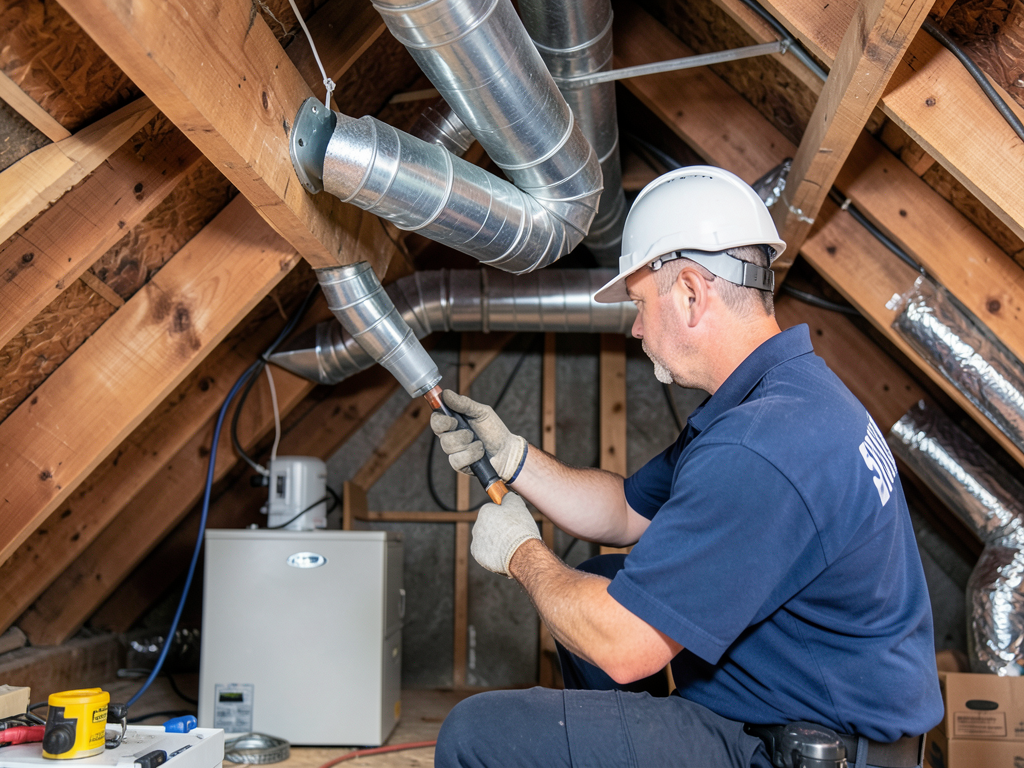
Attic space in triple-deckers varies significantly. Some homes have full attics suitable for air handlers, while others have only crawl spaces or knee walls. The presence of knob-and-tube wiring in older units complicates electrical upgrades needed for modern HVAC systems. Any electrical work must be performed by a licensed electrician to meet Massachusetts electrical code requirements.
Mass Save Rebates for Somerville Residents
Somerville residents can access some of the most generous HVAC rebates in Massachusetts through the Mass Save program. For central air installations, you can receive up to $10,000 in rebates when combining high-efficiency cooling with heating equipment. The exact amount depends on your income level and the efficiency ratings of the equipment you choose.
The Mass Save program requires a home energy assessment before any rebates are approved. During this assessment, a certified energy specialist evaluates your home’s insulation, air sealing, and existing HVAC equipment. They provide recommendations for improvements that can increase your rebate eligibility. Many Somerville triple-decker owners find that adding insulation to their balloon-frame walls significantly increases their rebate potential.
To qualify for the maximum rebates, your central air system must meet specific efficiency standards. The SEER2 rating must be at least 18 for cooling-only systems or 16 for heat pump systems. The equipment must be installed by a Mass Save-approved contractor who handles all the paperwork and inspections required for rebate processing.
Somerville Permitting Requirements
Installing central air in Somerville requires several permits from the Inspectional Services Department. The mechanical permit application must include detailed HVAC plans showing equipment locations, refrigerant line routing, and electrical connections. The city requires a Manual J load calculation performed by a certified technician to verify that your system is properly sized for your specific home.
Somerville’s building code follows the Massachusetts State Building Code with some local amendments. For triple-deckers, the code requires smoke detectors and carbon monoxide alarms to be interconnected throughout all three units. Your HVAC contractor must coordinate with the electrical work to ensure compliance with these safety requirements.
The permitting process typically takes 2-3 weeks for standard installations. Complex projects involving structural modifications or electrical upgrades may require additional review time. The city conducts inspections at several stages: after rough mechanical installation, after electrical work, and upon final completion. Each inspection must pass before you can activate your new system.
Choosing the Right System for Your Triple-Decker
Traditional central air systems work well in many Somerville homes, but they require adequate space for ductwork. In triple-deckers with finished basements or limited attic access, traditional ducted systems may not be feasible. High-velocity mini-duct systems offer an alternative that uses smaller, more flexible ductwork that can fit in tighter spaces.
High-velocity systems operate at higher pressures than traditional systems, allowing them to deliver conditioned air through 2-inch ducts instead of the 6-8 inch ducts required for conventional systems. This makes them ideal for retrofitting older homes where running large ducts would require extensive demolition. The small supply outlets can be placed in ceilings or high on walls, preserving your home’s historic character.
Ductless mini-split systems represent another option for Somerville triple-deckers. These systems eliminate the need for ductwork entirely by using individual air handlers in each room or zone. For three-family homes, this approach allows each unit to control its own temperature independently. However, the multiple outdoor units required can be challenging to place on narrow Somerville lots.
The Installation Process Step by Step
Step 1: Load Calculation and System Design. A certified HVAC technician performs a Manual J calculation to determine your home’s cooling and heating requirements. This calculation considers your home’s square footage, insulation levels, window orientation, and local climate data for the Boston area.
Step 2: Equipment Selection. Based on the load calculation, your contractor selects appropriately sized equipment that meets efficiency requirements for maximum rebates. For Somerville’s climate, systems with good dehumidification capabilities are essential due to the area’s high summer humidity levels.
Step 3: Permit Acquisition. Your contractor submits permit applications to the City of Somerville, including HVAC plans, load calculations, and equipment specifications. The permitting process typically takes 2-3 weeks.
Step 4: Installation Preparation. This includes protecting finished surfaces, setting up dust containment, and coordinating with electricians for any necessary electrical upgrades. In triple-deckers, this phase often involves coordinating access with other tenants or owners.
Step 5: Equipment Installation. The indoor and outdoor units are installed, refrigerant lines are run and connected, and electrical connections are made. For traditional systems, this includes installing ductwork or modifying existing duct runs.
Step 6: System Testing and Commissioning. The technician tests the system for proper operation, checks refrigerant levels, verifies airflow, and programs the thermostat. They also demonstrate system operation to the homeowner.
Step 7: Final Inspection and Rebate Processing. The city conducts final inspections, and your contractor submits rebate applications to Mass Save. This process can take 4-6 weeks for rebate processing and payment.
Cost Factors and Timeline Expectations
The cost of central air installation in a Somerville triple-decker varies significantly based on several factors. A basic high-velocity system for a 2,000 square foot home typically ranges from $12,000 to $18,000 before rebates. Traditional ducted systems for homes with adequate space can cost $15,000 to $25,000. Ductless mini-split systems for three-family homes often range from $18,000 to $30,000.
Several factors influence these costs. The age and condition of your home affects how much preparation work is needed. Homes with knob-and-tube wiring require electrical system upgrades before HVAC installation. The complexity of routing refrigerant lines through finished walls and ceilings impacts labor costs. The need for permits and inspections adds administrative costs but is mandatory for compliance.
Installation timelines vary based on system complexity and permitting requirements. A straightforward high-velocity installation typically takes 2-3 days. Traditional ducted systems requiring new ductwork can take 4-5 days. Complex retrofits involving electrical upgrades or structural modifications may extend to 1-2 weeks. Permit processing adds 2-3 weeks before work can begin.
Maintaining Your New System
Proper maintenance ensures your central air system operates efficiently for its expected 15-20 year lifespan. Annual professional maintenance includes checking refrigerant levels, cleaning coils, inspecting electrical connections, and verifying proper airflow. For Somerville’s humid climate, checking and cleaning condensate drains is particularly important to prevent mold growth.
Homeowners should change air filters every 1-3 months depending on usage and household factors like pets or allergies. Dirty filters reduce efficiency and can cause system failures. Keeping outdoor units clear of debris, leaves, and snow ensures proper airflow and prevents damage to the condenser coils.
Smart thermostats can optimize your system’s performance and reduce energy costs. These devices learn your schedule and adjust temperatures automatically, providing cooling when you need it while minimizing energy use when you’re away. Many smart thermostats offer energy usage reports that help identify opportunities for further efficiency improvements.
Energy Efficiency and Environmental Impact
Modern central air systems offer significantly better efficiency than equipment from just 10-15 years ago. High-efficiency systems with SEER2 ratings of 18 or higher can reduce cooling costs by 30-50% compared to older equipment. This efficiency improvement translates to lower utility bills and reduced environmental impact.
The transition to newer refrigerants also reduces environmental impact. Modern systems use R-410A or R-32 refrigerants that have lower global warming potential than the R-22 refrigerant used in older equipment. When your system eventually needs replacement, proper refrigerant recovery and recycling prevents harmful emissions.
For environmentally conscious homeowners, pairing your central air system with solar panels can create a net-zero cooling solution. Somerville’s Net Metering program allows you to earn credits for excess solar production during sunny days, which offset cooling costs during peak summer usage. The combination of high-efficiency HVAC and solar power can dramatically reduce your home’s carbon footprint.
Common Challenges and Solutions
Space Constraints. Somerville triple-deckers often have limited space for equipment and ductwork. High-velocity systems and ductless mini-splits solve this by using smaller components that fit in tight spaces. Creative routing of refrigerant lines through existing chases or closets can minimize visible modifications.
Historic Preservation. Many Somerville homes are in historic districts or have architectural features that owners want to preserve. Low-profile indoor units, small supply outlets, and careful routing can maintain your home’s character while providing modern comfort. Working with contractors experienced in historic home retrofits ensures sensitive treatment of original features. What to Do When Your Back Bay AC Unit Stops Working in July.
Multi-Family Coordination. For owner-occupied triple-deckers, coordinating with tenants during installation requires clear communication and scheduling. Professional contractors understand these dynamics and can work efficiently to minimize disruption. Some projects may benefit from temporary relocation of tenants during major work phases.
Electrical Limitations. Older homes may have undersized electrical service that cannot support modern HVAC equipment. Upgrading electrical service from 100 to 200 amps typically costs $3,000 to $5,000 but is often necessary for whole-house air conditioning. This upgrade also benefits other modern appliances and future home improvements. Benefits of Inverter Technology.
Choosing the Right Contractor
Selecting an experienced HVAC contractor familiar with Somerville’s specific requirements is crucial for a successful installation. Look for contractors with Massachusetts state licensing, proper insurance coverage, and experience with the type of system you’re considering. Ask for references from other Somerville homeowners, particularly those with similar triple-decker properties.
A qualified contractor should provide a detailed written proposal including equipment specifications, scope of work, timeline, and payment terms. They should explain the permitting process and handle all applications and inspections. The proposal should also outline warranty coverage and maintenance recommendations for your new system.
Professional contractors familiar with Somerville understand local building codes, permit requirements, and the specific challenges of working in dense urban neighborhoods. They should have experience coordinating with other trades like electricians and plumbers when necessary. Their familiarity with Mass Save programs ensures you receive maximum available rebates.
Ready to Get Started?
Central air installation in your Somerville triple-decker represents a significant investment in your home’s comfort and value. With proper planning, the right equipment selection, and experienced installation, you can enjoy reliable cooling for decades while taking advantage of available rebates and incentives. Finding the Right Ductless Mini Split for a Beacon Hill Brownstone.
The process begins with a professional assessment of your home’s specific needs and constraints. A qualified HVAC contractor will evaluate your home’s structure, existing systems, and your comfort goals to recommend the best solution for your situation.
Don’t wait until summer heat waves make your home uncomfortable. Planning your installation during the off-season often results in better pricing and more flexible scheduling. Plus, you’ll be ready when temperatures rise next summer.
Call (617) 758-1599 today to schedule your free assessment and take the first step toward comfortable, efficient cooling in your Somerville home.
Frequently Asked Questions
How long does central air installation take in a Somerville triple-decker?
Most installations take 2-5 days depending on system type and complexity. High-velocity systems typically install faster than traditional ducted systems. Permit processing adds 2-3 weeks before work can begin.
Can I keep my radiators if I install central air?
Yes, central air and existing heating systems can coexist. Many Somerville homeowners install cooling-only systems while keeping their steam or hot water radiators for heating. This approach allows you to add air conditioning without replacing your entire HVAC system.
What rebates are available for Somerville residents?
Somerville residents can access Mass Save rebates up to $10,000 for high-efficiency central air installations. Additional rebates may be available for insulation improvements, smart thermostats, and other energy efficiency upgrades. Your contractor should handle all rebate paperwork.
Will installing central air increase my home’s value?
Yes, central air typically increases home value by $5,000 to $15,000 depending on your neighborhood and market conditions. It also makes your home more attractive to potential buyers, particularly young professionals who expect modern amenities in urban homes.
Do I need to replace my electrical panel for central air?
Many older Somerville homes have 100-amp electrical service that may need upgrading to 200 amps to support central air. Your contractor will evaluate your electrical system during the assessment and recommend any necessary upgrades to meet code requirements.
{
“@context”: “https://schema.org”,
“@type”: “BlogPosting”,
“headline”: “A Local Guide to Getting Central Air in Your Somerville Triple-Decker”,
“description”: “Learn how to install central air in your Somerville triple-decker. Expert guide covering Mass Save rebates, permits, and retrofitting older homes.”,
“wordCount”: 2394,
“datePublished”: “2026-02-18T13:19:00.000Z”,
“dateModified”: “2026-02-18T13:19:00.000Z”,
“inLanguage”: “en-US”,
“mainEntityOfPage”: {
“@type”: “WebPage”,
“@id”: “https://titanhvacboston.com”
},
“publisher”: {
“@type”: “LocalBusiness”,
“name”: “Titan HVAC Boston”,
“url”: “https://titanhvacboston.com”
},
“author”: {
“@type”: “Organization”,
“name”: “Titan HVAC Boston”,
“url”: “https://titanhvacboston.com”
},
“image”: {
“@type”: “ImageObject”,
“url”: “https://titanhvacboston.com/wp-content/uploads/2026/03/a-local-guide-to-getting-central-air-in-your-somer-1-1.png”
}
}
{
“@context”: “https://schema.org”,
“@type”: “HVACBusiness”,
“name”: “Titan HVAC Boston”,
“url”: “https://titanhvacboston.com”,
“address”: {
“@type”: “PostalAddress”,
“addressLocality”: “Boston”
},
“areaServed”: {
“@type”: “City”,
“name”: “Boston”
}
}
{
“@context”: “https://schema.org”,
“@type”: “FAQPage”,
“mainEntity”: [
{
“@type”: “Question”,
“name”: “Ready to Get Started?”,
“acceptedAnswer”: {
“@type”: “Answer”,
“text”: “Central air installation in your Somerville triple-decker represents a significant investment in your home’s comfort and value. With proper planning, the right equipment selection, and experienced installation, you can enjoy reliable cooling for decades while taking advantage of available rebates and incentives. Finding the Right Ductless Mini Split for a Beacon Hill Brownstone.”
}
},
{
“@type”: “Question”,
“name”: “How long does central air installation take in a Somerville triple-decker?”,
“acceptedAnswer”: {
“@type”: “Answer”,
“text”: “Most installations take 2-5 days depending on system type and complexity. High-velocity systems typically install faster than traditional ducted systems. Permit processing adds 2-3 weeks before work can begin.”
}
},
{
“@type”: “Question”,
“name”: “Can I keep my radiators if I install central air?”,
“acceptedAnswer”: {
“@type”: “Answer”,
“text”: “Yes, central air and existing heating systems can coexist. Many Somerville homeowners install cooling-only systems while keeping their steam or hot water radiators for heating. This approach allows you to add air conditioning without replacing your entire HVAC system.”
}
},
{
“@type”: “Question”,
“name”: “What rebates are available for Somerville residents?”,
“acceptedAnswer”: {
“@type”: “Answer”,
“text”: “Somerville residents can access Mass Save rebates up to $10,000 for high-efficiency central air installations. Additional rebates may be available for insulation improvements, smart thermostats, and other energy efficiency upgrades. Your contractor should handle all rebate paperwork.”
}
},
{
“@type”: “Question”,
“name”: “Will installing central air increase my home’s value?”,
“acceptedAnswer”: {
“@type”: “Answer”,
“text”: “Yes, central air typically increases home value by $5,000 to $15,000 depending on your neighborhood and market conditions. It also makes your home more attractive to potential buyers, particularly young professionals who expect modern amenities in urban homes.”
}
},
{
“@type”: “Question”,
“name”: “Do I need to replace my electrical panel for central air?”,
“acceptedAnswer”: {
“@type”: “Answer”,
“text”: “Many older Somerville homes have 100-amp electrical service that may need upgrading to 200 amps to support central air. Your contractor will evaluate your electrical system during the assessment and recommend any necessary upgrades to meet code requirements.”
}
}
]
}
{
“@context”: “https://schema.org”,
“@type”: “BreadcrumbList”,
“itemListElement”: [
{
“@type”: “ListItem”,
“position”: 1,
“name”: “Home”,
“item”: “https://titanhvacboston.com”
},
{
“@type”: “ListItem”,
“position”: 2,
“name”: “Blog”,
“item”: “https://titanhvacboston.com/blog”
},
{
“@type”: “ListItem”,
“position”: 3,
“name”: “A Local Guide to Getting Central Air in Your Somerville Triple-Decker”
}
]
}
{
“@context”: “https://schema.org”,
“@type”: “Service”,
“serviceType”: “HVAC”,
“provider”: {
“@type”: “LocalBusiness”,
“name”: “Titan HVAC Boston”,
“url”: “https://titanhvacboston.com”
},
“areaServed”: {
“@type”: “City”,
“name”: “Boston”
},
“description”: “Learn how to install central air in your Somerville triple-decker. Expert guide covering Mass Save rebates, permits, and retrofitting older homes.”
}