
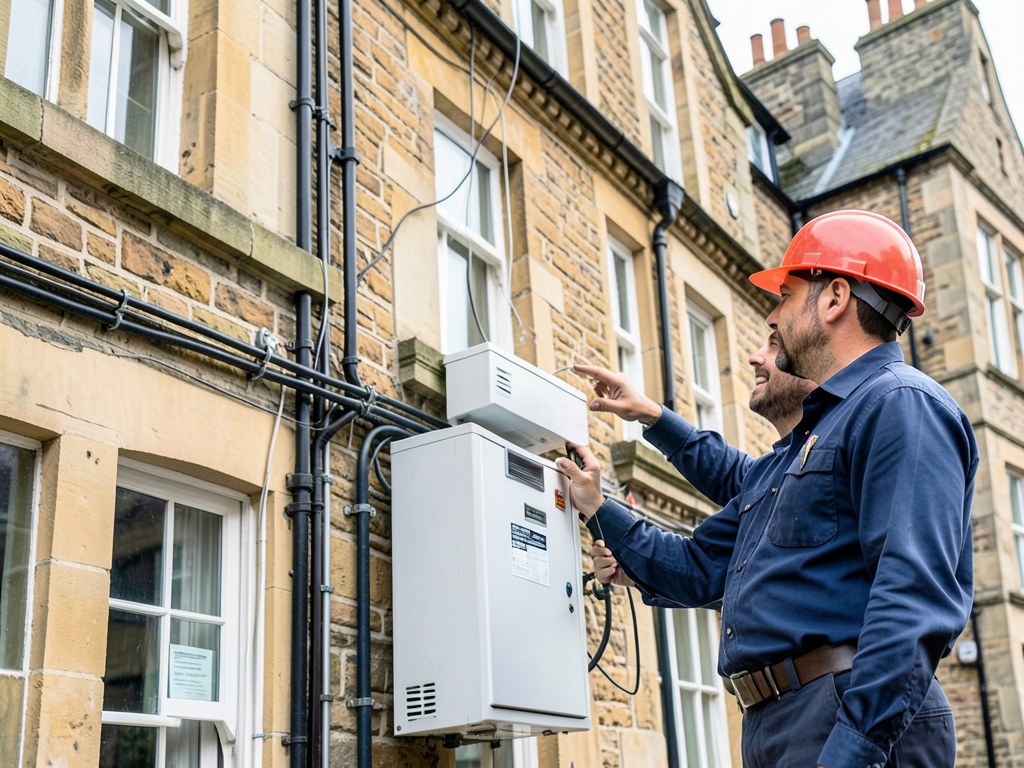
The Most Reliable Heat Pump Installation Teams in Cambridge
Homeowners across Cambridge are upgrading to heat pumps to cut energy bills and reduce their carbon footprint. But not all installation teams deliver the same results. You need a crew that understands Cambridge’s historic building stock, navigates local permitting, and maximizes every available rebate. This guide shows you exactly what separates the reliable teams from the rest. Cambridge Inspectional Services Department.
Why Cambridge Homeowners Are Switching to Heat Pumps
Cambridge’s mix of Victorian homes, triple-deckers, and modern condos creates unique HVAC challenges. Many older properties rely on aging oil or gas boilers that cost hundreds per winter month. Heat pumps offer year-round heating and cooling with 300% efficiency in mild weather and 200%+ efficiency even in sub-zero temperatures. The shift aligns with Cambridge’s Net Zero Action Plan, which targets carbon neutrality by 2050.
The city’s dense urban layout means outdoor unit placement requires careful planning to meet noise ordinances and neighbor proximity rules. Reliable teams know how to position units for optimal airflow while staying within Cambridge Inspectional Services Department guidelines. They also understand how to work within historic district constraints where exterior modifications need special approval.. Read more about A Local Guide to Getting Central Air in Your Somerville Triple-Decker.
Maximizing Mass Save Rebates and Federal Tax Credits
Massachusetts offers some of the most generous heat pump incentives in the country. Through Mass Save, whole-home air source heat pump installations can qualify for up to $10,000 in rebates. The program requires a Home Energy Assessment first, then uses a point system based on heating load reduction. Reliable teams handle the paperwork and ensure your system meets the minimum HSPF2 ratings required for maximum rebates. Mass Save rebates.
Federal tax credits through the Inflation Reduction Act provide an additional 30% credit up to $2,000 for qualifying heat pump installations. These credits apply to both equipment and installation costs. The best teams stay current on incentive changes and help you claim every dollar available.
Our Cambridge Installation Process
- Free Energy Assessment
We start with a no-cost home evaluation to determine your heating and cooling loads using Manual J calculations. This step identifies insulation gaps and air leakage that affect system sizing.
- System Design and Rebate Planning
Our engineers create a custom layout considering your home’s architecture, existing ductwork, and local building codes. We map out exactly which rebates you qualify for before you commit.
- Permit Acquisition
We handle all Cambridge ISD permit applications, including electrical permits for outdoor unit disconnects and structural permits if wall penetrations are needed.
- Professional Installation
Our NATE-certified technicians install your system following manufacturer specifications and Massachusetts Stretch Energy Code requirements. We use proper refrigerant line insulation and ensure correct airflow measurements.. Read more about Energy Efficient Mini Split Installation for Homes in Newton.
- Final Inspection and Rebate Submission
We coordinate with city inspectors for final sign-off and submit all rebate documentation on your behalf. You receive copies of all permits and warranty registrations.
Ductless vs. Central Heat Pumps: What’s Right for Your Home?
Cambridge’s housing diversity means there’s no one-size-fits-all solution. Ductless mini-splits work exceptionally well in triple-deckers and homes without existing ductwork. Each indoor unit operates independently, allowing you to heat or cool only occupied rooms. This zoned approach can reduce energy use by 30% compared to central systems.
Central heat pumps integrate with existing ductwork and provide whole-home comfort with a single outdoor unit. They’re ideal for larger homes where multiple indoor heads would look cluttered. Modern variable-speed compressors adjust output to match demand, eliminating the temperature swings common in older systems.
The choice depends on your home’s layout, insulation levels, and budget. Reliable teams provide honest recommendations rather than pushing the most expensive option. They’ll show you heat loss calculations and explain how each system performs in Cambridge’s climate.
Client Success Stories in Cambridge
A family in West Cambridge replaced their 1950s oil boiler with a cold-climate heat pump system. Their winter heating costs dropped from $350 to $180 per month. The installation included three indoor heads to eliminate hot and cold spots throughout their 2,500-square-foot home.
A landlord in Central Square upgraded three rental units with ductless systems. Each tenant now controls their own temperature, reducing complaints and vacancy rates. The landlord qualified for $8,200 in combined rebates and saw a 40% reduction in annual utility costs.
A homeowner near Harvard Square installed a central heat pump while preserving their historic facade. The team used creative routing to hide refrigerant lines and obtained all necessary approvals from the Cambridge Historical Commission.
Technical Specifications That Matter in Cambridge
Cold-climate heat pumps must maintain efficiency at temperatures below 0°F. Look for units with HSPF2 ratings above 10 and SEER2 ratings above 18. These numbers indicate how efficiently the system operates in heating and cooling modes respectively. Cambridge’s humid summers also require good dehumidification capacity.
Noise levels matter in dense neighborhoods. Quality outdoor units operate at 55-65 decibels, about the volume of normal conversation. Reliable teams position units away from bedroom windows and use sound-dampening pads to minimize vibration transmission.
Electrical requirements vary by system size. Most residential heat pumps need a dedicated 240V circuit with proper surge protection. Older Cambridge homes may need electrical panel upgrades to handle the additional load. Professional teams assess your electrical capacity before installation.
Common Cambridge Installation Challenges
Historic homes often have limited wall space for indoor units. Creative solutions include ceiling cassettes, floor-mounted units, or concealed ducted systems. Reliable teams have experience working within architectural constraints without compromising performance.. Read more about What to Do When Your Back Bay AC Unit Stops Working in July.
Urban lots mean outdoor units must be placed close to property lines. This requires careful consideration of setback requirements and neighbor impact. Some Cambridge neighborhoods have specific noise level restrictions that affect equipment selection.
Older electrical systems may not support modern heat pumps. Panel upgrades add cost but ensure safe, reliable operation. Quality teams identify these needs upfront rather than surprising you after work begins.
Maintenance Requirements for Long-Term Reliability
Heat pumps need annual maintenance to maintain efficiency and prevent breakdowns. This includes cleaning coils, checking refrigerant levels, and testing electrical connections. Cambridge’s salt air and urban pollution can accelerate coil fouling, making regular cleaning especially important.
Filter changes every 1-3 months keep airflow optimal. Dirty filters reduce efficiency by up to 15% and can cause system failures. Reliable teams provide maintenance schedules and can set up automatic filter delivery.
Professional tune-ups include checking for refrigerant leaks, which harm both performance and the environment. EPA regulations require proper handling of refrigerants, and certified technicians use leak detection equipment to find small leaks before they become major problems.
Cost Factors and Investment Considerations
Heat pump installation costs in Cambridge typically range from $8,000 to $25,000 depending on system size and complexity. Ductless systems often cost less than central systems for smaller homes. The higher upfront cost is offset by energy savings, rebates, and the elimination of separate heating and cooling systems.
Factor in potential electrical upgrades, which can add $1,500 to $3,000. Historic district requirements might increase costs if specialized installation methods are needed. Quality teams provide detailed quotes that itemize all costs upfront.
Energy savings vary by home and usage patterns but typically range from 30% to 60% compared to oil heating. Many homeowners see payback periods of 3-7 years when combining energy savings with rebates.
Why Choose Local Cambridge Experts
Local teams understand Cambridge’s unique challenges. They know which equipment performs best in New England’s climate, how to navigate city permitting, and which rebate programs offer the best value. They also provide faster emergency service when needed.
Experience matters when working in historic homes. Reliable teams have insurance that covers accidental damage to irreplaceable features and know how to protect your home during installation.
Community reputation is everything in Cambridge. Quality teams build their business on referrals and repeat customers, not quick sales and disappearing acts.
Ready to Upgrade Your Home’s Comfort?
The right heat pump installation team can transform your home’s comfort while cutting your energy bills. But choosing the wrong team can lead to poor performance, frequent breakdowns, and lost rebate opportunities.
Call (617) 758-1599 today to schedule your free energy assessment. Our Cambridge experts will show you exactly how much you can save and which rebates you qualify for. Don’t wait until winter hits – the best installation slots fill up fast.
Frequently Asked Questions
How long does a heat pump installation take?
Most installations complete in 1-3 days depending on system complexity. Simple ductless replacements might finish in a single day, while central system installations with electrical upgrades take longer.
Can heat pumps handle Cambridge’s coldest winter days?
Yes. Modern cold-climate heat pumps maintain heating output at temperatures well below zero. For the coldest days, some homeowners keep a backup heating source, though many find their heat pump handles everything.
Do I need to replace my ductwork?
Not necessarily. Central heat pumps work with existing ductwork if it’s in good condition. Our assessment includes checking your ducts for leaks and sizing issues that could affect performance.
What maintenance do heat pumps require?
Annual professional maintenance plus regular filter changes keep your system running efficiently. Most homeowners can handle filter changes themselves, while professional tune-ups ensure optimal performance.
How do I know if I qualify for rebates?
Our free energy assessment determines your exact rebate eligibility. We handle all paperwork and submit applications on your behalf to maximize your savings.
You may also find this helpful. The Best High-Efficiency Heat Pump Options for Quincy Homeowners.
You may also find this helpful. Top-Rated Heat Pump Installers for Allston and Brighton.
{
“@context”: “https://schema.org”,
“@type”: “BlogPosting”,
“headline”: “The Most Reliable Heat Pump Installation Teams in Cambridge”,
“description”: “Discover the top heat pump installation experts in Cambridge, MA. Learn about Mass Save rebates, cold-climate performance, and why local homeowners trust these teams for reliable, efficient HVAC upgrades.”,
“wordCount”: 1540,
“datePublished”: “2026-02-13T08:17:00.000Z”,
“dateModified”: “2026-02-13T08:17:00.000Z”,
“inLanguage”: “en-US”,
“mainEntityOfPage”: {
“@type”: “WebPage”,
“@id”: “https://titanhvacboston.com”
},
“publisher”: {
“@type”: “LocalBusiness”,
“name”: “Titan HVAC Boston”,
“url”: “https://titanhvacboston.com”
},
“author”: {
“@type”: “Organization”,
“name”: “Titan HVAC Boston”,
“url”: “https://titanhvacboston.com”
},
“image”: {
“@type”: “ImageObject”,
“url”: “https://titanhvacboston.com/wp-content/uploads/2026/03/the-most-reliable-heat-pump-installation-teams-in-1.png”
}
}
{
“@context”: “https://schema.org”,
“@type”: “HVACBusiness”,
“name”: “Titan HVAC Boston”,
“url”: “https://titanhvacboston.com”,
“address”: {
“@type”: “PostalAddress”,
“addressLocality”: “Boston”
},
“areaServed”: {
“@type”: “City”,
“name”: “Boston”
}
}
{
“@context”: “https://schema.org”,
“@type”: “FAQPage”,
“mainEntity”: [
{
“@type”: “Question”,
“name”: “Ductless vs. Central Heat Pumps: What’s Right for Your Home?”,
“acceptedAnswer”: {
“@type”: “Answer”,
“text”: “Cambridge’s housing diversity means there’s no one-size-fits-all solution. Ductless mini-splits work exceptionally well in triple-deckers and homes without existing ductwork. Each indoor unit operates independently, allowing you to heat or cool only occupied rooms. This zoned approach can reduce energy use by 30% compared to central systems.”
}
},
{
“@type”: “Question”,
“name”: “Ready to Upgrade Your Home’s Comfort?”,
“acceptedAnswer”: {
“@type”: “Answer”,
“text”: “The right heat pump installation team can transform your home’s comfort while cutting your energy bills. But choosing the wrong team can lead to poor performance, frequent breakdowns, and lost rebate opportunities.”
}
},
{
“@type”: “Question”,
“name”: “How long does a heat pump installation take?”,
“acceptedAnswer”: {
“@type”: “Answer”,
“text”: “Most installations complete in 1-3 days depending on system complexity. Simple ductless replacements might finish in a single day, while central system installations with electrical upgrades take longer.”
}
},
{
“@type”: “Question”,
“name”: “Can heat pumps handle Cambridge’s coldest winter days?”,
“acceptedAnswer”: {
“@type”: “Answer”,
“text”: “Yes. Modern cold-climate heat pumps maintain heating output at temperatures well below zero. For the coldest days, some homeowners keep a backup heating source, though many find their heat pump handles everything.”
}
},
{
“@type”: “Question”,
“name”: “Do I need to replace my ductwork?”,
“acceptedAnswer”: {
“@type”: “Answer”,
“text”: “Not necessarily. Central heat pumps work with existing ductwork if it’s in good condition. Our assessment includes checking your ducts for leaks and sizing issues that could affect performance.”
}
},
{
“@type”: “Question”,
“name”: “What maintenance do heat pumps require?”,
“acceptedAnswer”: {
“@type”: “Answer”,
“text”: “Annual professional maintenance plus regular filter changes keep your system running efficiently. Most homeowners can handle filter changes themselves, while professional tune-ups ensure optimal performance.”
}
},
{
“@type”: “Question”,
“name”: “How do I know if I qualify for rebates?”,
“acceptedAnswer”: {
“@type”: “Answer”,
“text”: “Our free energy assessment determines your exact rebate eligibility. We handle all paperwork and submit applications on your behalf to maximize your savings.”
}
}
]
}
{
“@context”: “https://schema.org”,
“@type”: “HowTo”,
“name”: “Cambridge Heat Pump Installation Process”,
“step”: [
{
“@type”: “HowToStep”,
“position”: 1,
“name”: “Free Energy Assessment”,
“text”: “We start with a no-cost home evaluation to determine your heating and cooling loads using Manual J calculations. This step identifies insulation gaps and air leakage that affect system sizing.”
},
{
“@type”: “HowToStep”,
“position”: 2,
“name”: “System Design and Rebate Planning”,
“text”: “Our engineers create a custom layout considering your home’s architecture, existing ductwork, and local building codes. We map out exactly which rebates you qualify for before you commit.”
},
{
“@type”: “HowToStep”,
“position”: 3,
“name”: “Permit Acquisition”,
“text”: “We handle all Cambridge ISD permit applications, including electrical permits for outdoor unit disconnects and structural permits if wall penetrations are needed.”
},
{
“@type”: “HowToStep”,
“position”: 4,
“name”: “Professional Installation”,
“text”: “Our NATE-certified technicians install your system following manufacturer specifications and Massachusetts Stretch Energy Code requirements. We use proper refrigerant line insulation and ensure correct airflow measurements.”
},
{
“@type”: “HowToStep”,
“position”: 5,
“name”: “Final Inspection and Rebate Submission”,
“text”: “We coordinate with city inspectors for final sign-off and submit all rebate documentation on your behalf. You receive copies of all permits and warranty registrations.”
}
],
“image”: “https://titanhvacboston.com/wp-content/uploads/2026/03/the-most-reliable-heat-pump-installation-teams-in-1.png”
}
{
“@context”: “https://schema.org”,
“@type”: “BreadcrumbList”,
“itemListElement”: [
{
“@type”: “ListItem”,
“position”: 1,
“name”: “Home”,
“item”: “https://titanhvacboston.com”
},
{
“@type”: “ListItem”,
“position”: 2,
“name”: “Blog”,
“item”: “https://titanhvacboston.com/blog”
},
{
“@type”: “ListItem”,
“position”: 3,
“name”: “The Most Reliable Heat Pump Installation Teams in Cambridge”
}
]
}
{
“@context”: “https://schema.org”,
“@type”: “Service”,
“serviceType”: “HVAC”,
“provider”: {
“@type”: “LocalBusiness”,
“name”: “Titan HVAC Boston”,
“url”: “https://titanhvacboston.com”
},
“areaServed”: {
“@type”: “City”,
“name”: “Boston”
},
“description”: “Discover the top heat pump installation experts in Cambridge, MA. Learn about Mass Save rebates, cold-climate performance, and why local homeowners trust these teams for reliable, efficient HVAC upgrades.”
}